
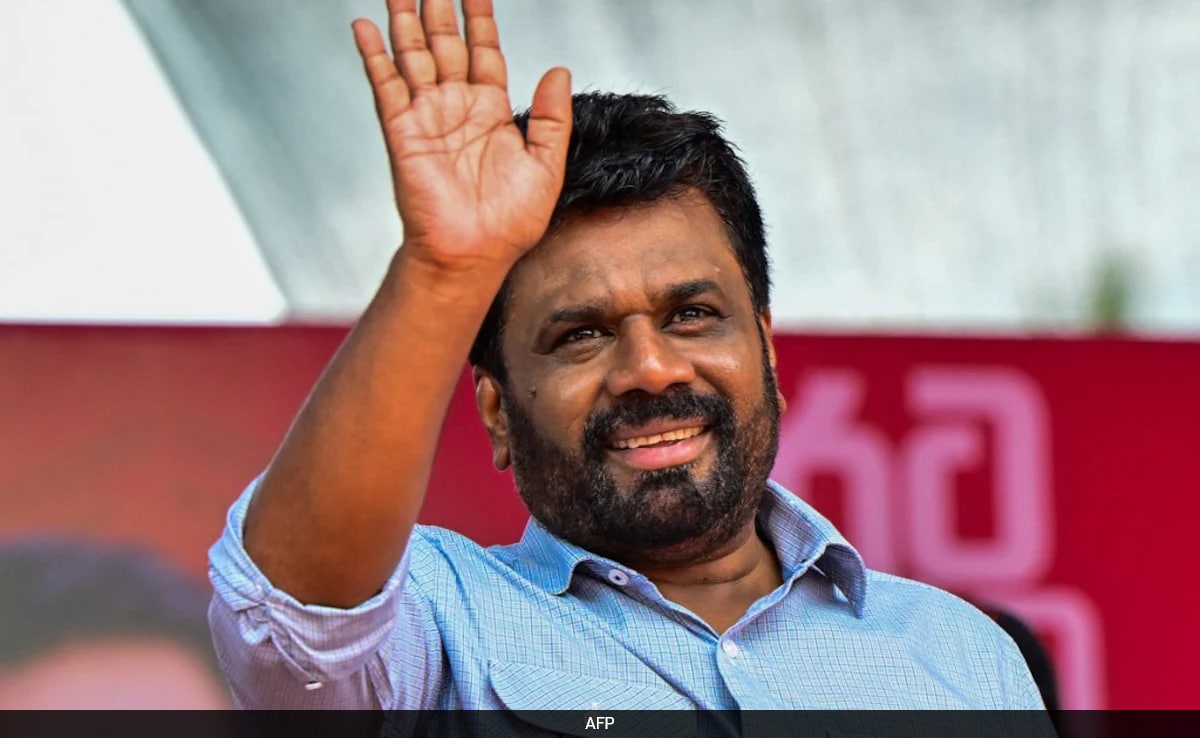
Fri Nov 22 12:58:59 UTC 2024: ## Sri Lanka’s Leftist President Dissanayake Secures Landslide Victory in Snap Elections
**Colombo, Sri Lanka** – President Anura Kumara Dissanayake’s National People’s Power (NPP) coalition achieved a historic landslide victory in Sri Lanka’s snap parliamentary elections on November 14th, winning 159 out of 225 seats. This follows Dissanayake’s September presidential win, catapulting the previously fringe leftist party to the forefront of Sri Lankan politics.
The NPP’s sweeping victory, a significant jump from their previous three seats, grants Dissanayake the legislative power to implement his ambitious agenda. This includes tackling poverty, combating corruption, and navigating the country’s ongoing economic crisis. The coalition also aims to abolish the powerful executive presidency and investigate past incidents like the 2019 Easter attacks. The NPP’s plans to renegotiate a $2.9 billion IMF bailout will also be closely watched.
Remarkably, the NPP secured significant support from ethnic minorities, including unprecedented backing from Tamils in the traditionally nationalist Jaffna district. This suggests a shift in voter sentiment towards the NPP’s promises of improved living conditions and equitable governance. The coalition’s success presents an opportunity to address the long-standing issues of poverty and underdevelopment in the north and east, regions scarred by decades of civil war.
**India-Sri Lanka Relations in Flux**
Dissanayake’s victory has significant implications for India, given its strategic interests in the region and China’s growing influence. Dissanayake’s party, the JVP, has historically been critical of India and closer to China. While Dissanayake has recently made positive statements regarding Tamil rights and assured India that Sri Lanka’s territory won’t be used against it, his past pronouncements about renegotiating Indian projects and his criticism of some Indian initiatives have raised concerns in New Delhi.
Despite these concerns, both countries have engaged proactively since Dissanayake’s presidential win. India’s External Affairs Minister visited Sri Lanka in October, and Dissanayake himself visited India earlier this year, indicating a willingness to maintain cordial relations. Analysts suggest that the future relationship will involve considerable negotiation, balancing both countries’ interests and Sri Lanka’s domestic priorities. India, however, continues to prioritize its relationship with Sri Lanka through its “Neighbourhood First” policy, hoping for enhanced collaboration in trade, maritime security, and people-to-people connections.
 First Piper