
Wed Nov 20 11:45:00 UTC 2024: ## UNICEF Report Highlights Growing Threats to Children in a Changing World
**New Delhi, November 20, 2024** – A new UNICEF report, the State of the World’s Children 2024 (SOWC-2024), reveals a stark reality for the world’s children: nearly one billion are living in high-risk areas facing climate and environmental hazards. Released today, the report examines the impact of demographic shifts, climate change, and technological advancements on children’s lives through 2050.
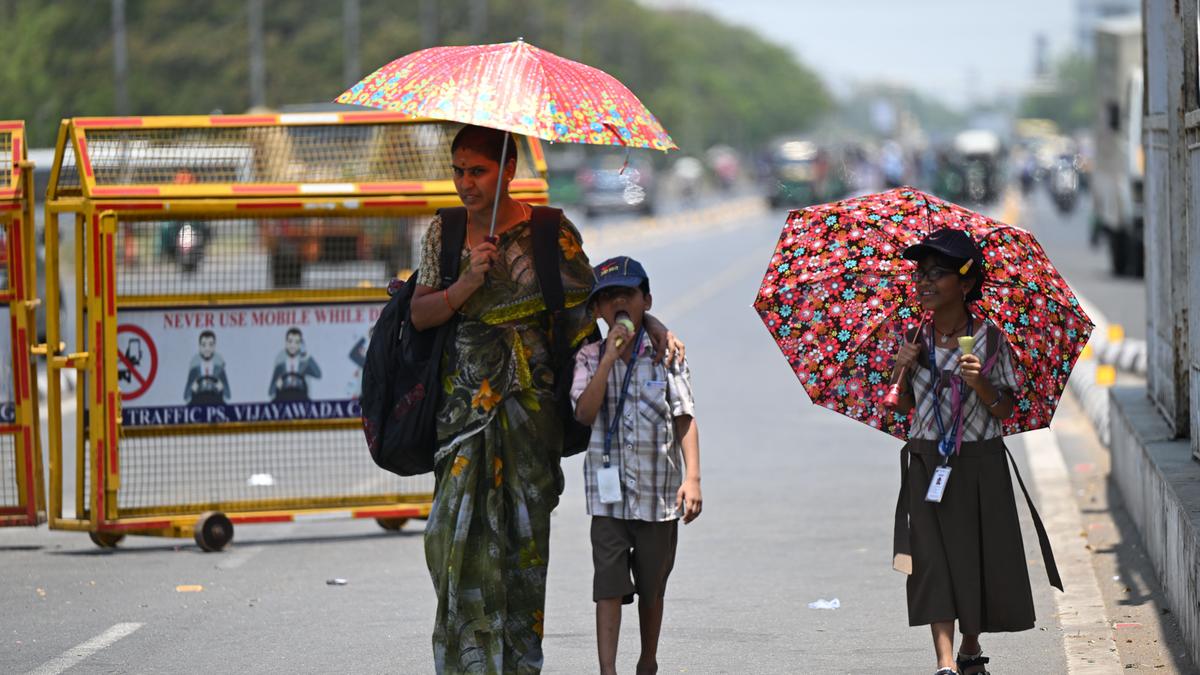
The report warns that climate destabilization, biodiversity loss, and pollution are intensifying, creating a more hazardous environment for children than ever before. Their developing bodies are particularly vulnerable to pollution and extreme weather, with air pollution posing significant long-term health risks. Rising temperatures spread diseases like malaria and dengue, while floods contaminate water sources and limit food production, increasing food insecurity. Extreme weather events also cause significant trauma and anxiety.
The report highlights that 400 million students globally have experienced school closures due to extreme weather since 2022, impacting education and economic growth. Furthermore, climate-related disasters are displacing children from their homes.
While the global child population is projected to stabilize around 2.3 billion by 2050, South Asia, along with regions in Africa, will continue to have large child populations facing significant climate risks and lacking adequate infrastructure. The report notes that while fewer young dependents relative to workers could free up resources, these regions already struggle to meet children’s basic needs.
The report also addresses the impact of frontier technologies, acknowledging the potential of AI, renewable energy, and vaccine breakthroughs to improve childhood but cautioning against the risks of online exploitation and digital exclusion. The vast digital divide, with over 95% of people in high-income countries connected to the internet compared to only 26% in low-income countries, exacerbates existing inequalities. The report emphasizes the urgency of creating healthier and safer urban environments, particularly as more children will be living in cities in the coming decades.
 First Piper