
Wed Nov 20 02:15:00 UTC 2024: ## Unexpected Solar Storm Burns Up Australian Satellites
**Perth, Australia – November 20, 2024** – Three small Australian research satellites, part of Curtin University’s Binar Space Program, have burned up in Earth’s atmosphere significantly earlier than anticipated. The CubeSats, named Binar-2, 3, and 4, lasted only two months instead of the projected six, due to unexpectedly high solar activity.
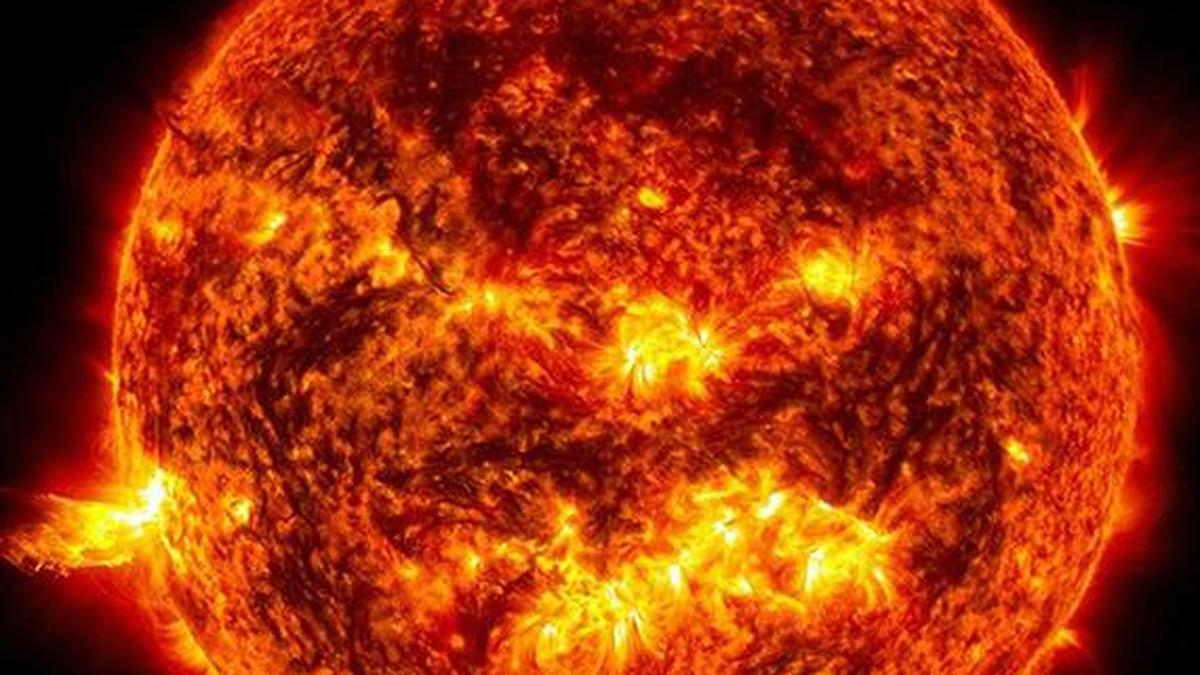
The increased solar activity, exceeding predictions for this stage of the 11-year solar cycle, has caused a surge in atmospheric drag at low Earth orbit altitudes. This drag, caused by the Sun’s increased energy expanding the atmosphere, pulled the satellites closer to Earth, resulting in their premature demise.
While the Binar satellites, whose name means “fireball” in the local Noongar language, were always destined to burn up, the early failure highlights the challenges posed by unpredictable space weather. The increased solar activity is also affecting other satellites, including the International Space Station and Starlink constellation, requiring costly corrective maneuvers.
The heightened solar activity is manifesting in more intense and equator-ward auroras, and increased radiation levels impacting astronauts and potentially disrupting radio communications. The unpredictable nature of solar activity makes accurate forecasting a critical need, especially for operators of low-Earth orbit satellites which lack the sophisticated altitude-adjustment systems available to larger, commercially-operated satellites.
Curtin University researchers acknowledge the loss, but emphasize that the unexpected early re-entry of the Binar satellites has provided valuable data on the effects of solar activity on spacecraft. Future missions are already planned, taking into account the current higher-than-expected solar activity levels. The program remains committed to advancing space research and lowering the barriers to space operations.
 First Piper