
Tue Nov 19 11:25:48 UTC 2024: **Millions of Children in Low- and Middle-Income Countries Miss Out on Crucial Early Childhood Care, Lancet Study Reveals**
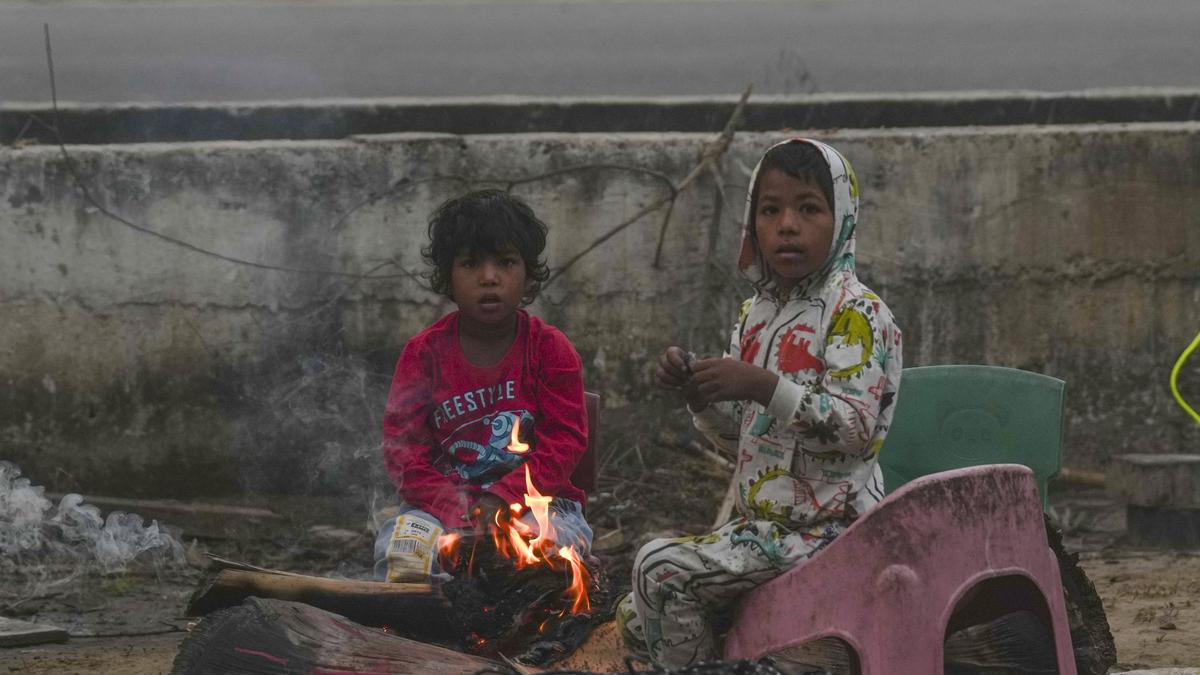
New Delhi, November 19, 2024 – A new Lancet series reveals that nearly 182 million children aged three and four in low- and middle-income countries (LMICs) lack access to adequate early childhood care and education (ECCE), jeopardizing their healthy development. The study highlights the critical importance of the “next 1,000 days” (ages two to five), a period during which children are often not consistently engaged with health and education services.
Researchers, including those from the Centre for Chronic Disease Control (CCDC) in New Delhi, found that fewer than one in three children aged three or four in LMICs attend ECCE programs. This lack of access is compounded by emerging environmental risks such as air pollution, climate change, and chemical exposure, all of which negatively impact child development.
The study calls for increased investment in high-quality ECCE programs, emphasizing adequately trained and compensated teachers, reasonable student-teacher ratios, child-centered play, evidence-based curricula, and supportive classroom interactions.
Aditi Roy, a senior research scientist at CCDC, highlighted the need for equitable access to quality ECCE in India, advocating for activity-based curricula aligned with the National Education Policy, rather than rote learning. She expressed concern over the lack of reliable data on ECCE attendance in India, noting inconsistencies between government reports and surveys like the Annual Status of Education Report (ASER). While ASER data suggests increasing preschool attendance, the lack of private sector data and the potential unreliability of data collected during the COVID-19 pandemic create significant gaps in understanding the true situation.
The Lancet analysis estimates that providing one year of ECCE for all children in LMICs would cost less than 0.15% of their current GDP, with potential benefits estimated to be 8-19 times higher than the cost. The study’s authors emphasize the need for greater research focus on children in LMICs and improved access to high-quality ECCE programs, including support for caregivers. They also highlight the role of ECCE programs in providing crucial interventions, combining health screenings, growth monitoring, food assistance, and caregiver support. The researchers underscore the alarming lack of policy discussion regarding the impact of climate change on child development and the need to integrate ECCE into climate action plans.
 First Piper