
Sun Nov 17 19:32:00 UTC 2024: ## New Supreme Court Statue Sparks Debate Over Representation of Justice
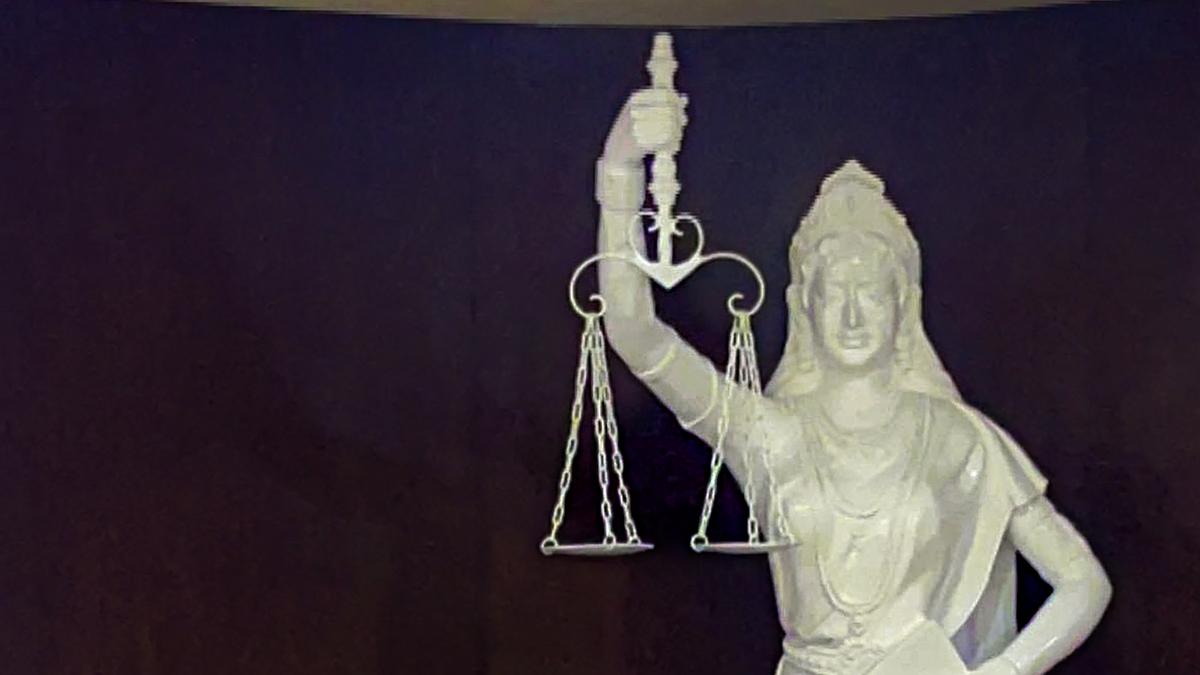
**NEW DELHI, INDIA** – The unveiling of a new statue of Justitia at the Supreme Court of India has ignited a firestorm of debate. The six-foot-tall, sari-clad figure, holding scales and the Indian Constitution, is notable for her open eyes, a departure from the traditional blindfolded depiction.
Chief Justice of India D.Y. Chandrachud, who commissioned the statue, stated it symbolizes justice seeing “everyone equally.” However, this interpretation has been challenged. While open-eyed Justitia statues exist elsewhere, notably in the Bombay High Court, the symbolism is complex and has evolved over centuries.
Legal scholar Shailesh Kumar, in a recent article in *The Hindu*, points out that while Roman depictions of Justitia were often clear-sighted, the blindfold emerged in the 15th century, initially symbolizing helplessness, but later transforming into a representation of impartiality. The current statue’s interpretation as representing equality is therefore contested, Kumar argues.
Further complicating the issue is the statue’s design. The figure is styled as a Hindu goddess, a choice Kumar links to a similar, less publicly accessible mural within the Supreme Court. He questions the rationale behind this stylistic choice, along with the statue’s white color, and its potential to be interpreted as favoring certain castes, religions, or political ideologies.
The article calls for a more inclusive approach to representing justice in visual art, suggesting that the very concept of justice might need re-evaluation in its iconography. It should perhaps, Kumar proposes, reflect the lived experience of struggles for justice, including feminist, anti-caste, and secular perspectives, thereby challenging the judiciary’s image and promoting broader discussions on diversity and equality within the system. The statue’s unveiling, therefore, is not merely an aesthetic matter but a reflection of ongoing debates on representation, inclusion, and the very nature of justice in India.
 First Piper