
Sat Nov 16 03:20:00 IST 2024: ## Ten Elephants Die in Madhya Pradesh After Consuming Poisonous Millet
**Bandhavgarh, Madhya Pradesh, November 16, 2024** – A tragedy unfolded at the Bandhavgarh Tiger Reserve (BTR) in late October, resulting in the deaths of ten elephants – nine females and one male – after consuming Kodo millet contaminated with high levels of cyclopiazonic acid. The incident, which has shocked the nation and led to a high-level investigation, has exposed critical gaps in the state’s elephant management and human-wildlife conflict mitigation strategies.
The deaths were discovered on October 29th when forest officials responded to reports of unusual elephant behavior. Upon arrival, they found ten elephants dead or dying within a 150-meter radius. A frantic 36-hour rescue operation involving numerous veterinarians and officials ensued, but only two of the affected elephants survived the initial incident. Subsequent post-mortem examinations and forensic testing conducted by multiple agencies including the Indian Veterinary Research Institute (IVRI) and the School of Wildlife Forensic And Health (SWFH), confirmed that cyclopiazonic acid poisoning from the Kodo millet was the cause of death. The toxin was found in high concentrations in the animals’ organs. Testing also ruled out poisoning from pesticides or other chemicals, and eliminated the possibility of poaching.
The incident has resulted in the suspension of two senior forest officials for negligence. The Madhya Pradesh Chief Minister dispatched a high-level investigation team which concluded that there was no evidence of foul play. The National Green Tribunal has issued notices to several government agencies and research institutes to investigate the deaths and the link to Kodo millet.
The increased cultivation of Kodo millet, driven by its growing popularity as a health food, is suspected to have contributed to the tragedy. Farmers in the area had expanded Kodo cultivation into areas bordering the reserve, increasing the risk of elephant interaction. Experts highlighted the lack of readily available treatment for Kodo millet poisoning in wild animals, noting that timely detection and intervention were hampered by the elephants’ location in the wild. The incident has underscored the need for further research into Kodo millet toxicity and the development of effective treatment strategies for both humans and animals.
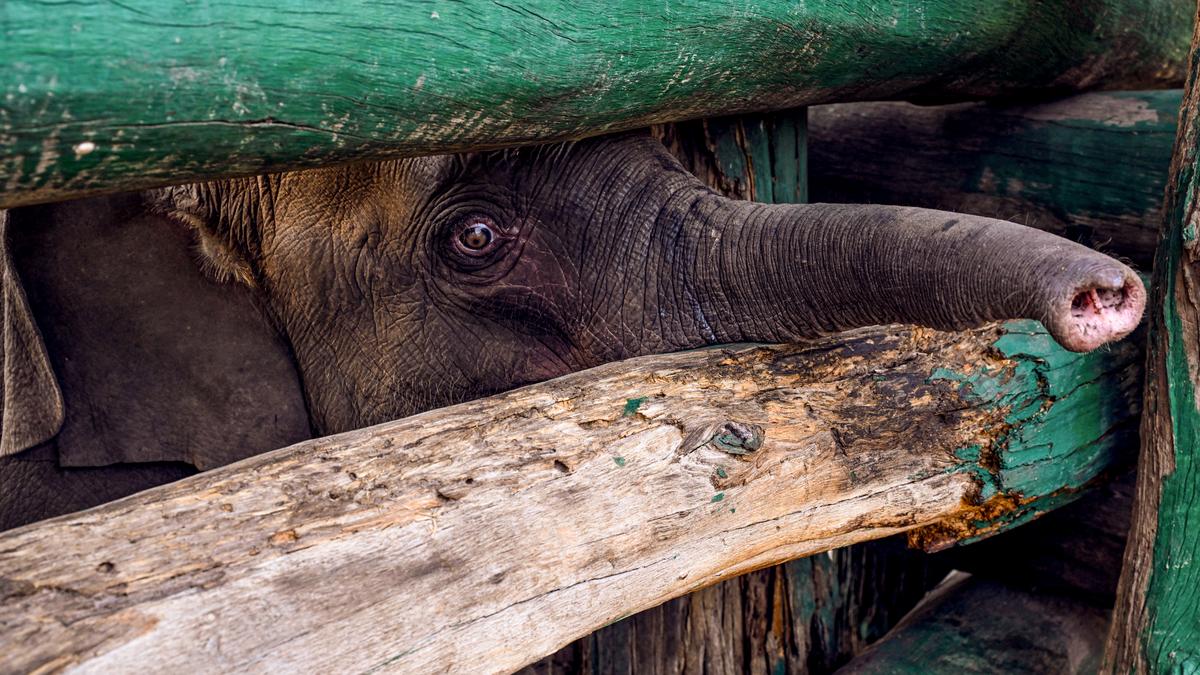
The deaths have also exacerbated existing human-wildlife conflict issues. Following the incident, a wild elephant killed two people and critically injured another, raising fears of escalating conflict. A six-month-old calf, believed to be from the deceased herd, has been rescued and is currently receiving care at the BTR’s Rama Elephant Camp.
In the wake of the tragedy, Madhya Pradesh is taking steps to improve its elephant management protocols. These measures include increased training for personnel, developing specialized elephant care facilities, utilizing technology such as satellite collars and thermal imaging for tracking, and sending officials to other states with extensive elephant populations to learn best practices. However, the lack of a dedicated budget for elephant conservation remains a concern.
The events at BTR serve as a stark reminder of the complex challenges involved in balancing human needs with wildlife conservation in India. The ongoing investigation and the implementation of new measures are crucial to prevent similar incidents in the future.
 First Piper