
Sat Nov 09 07:11:01 UTC 2024: ## North Korea Disrupts GPS Signals for Second Day, Affecting Flights and Vessels
**Seoul, South Korea:** North Korea has once again disrupted GPS signals in border areas, affecting an unknown number of flights and vessel operations. This is the second consecutive day of such interference, raising tensions between the two Koreas.
The South Korean Joint Chiefs of Staff reported that GPS signal manipulation was detected near the western border cities of Kaesong and Haeju on Friday and Saturday. The disruptions affected numerous civilian aircraft and several vessels operating near the border.
While warning aircraft and vessels in the affected areas, the South Korean military did not disclose details about the methods used by North Korea for the interference.
The incident comes amidst escalating tensions between the two Koreas, fueled by North Korea’s advancements in its nuclear and missile program. The country has also engaged in various forms of electronic and psychological warfare, including launching thousands of balloons carrying trash and anti-South Korean propaganda leaflets.
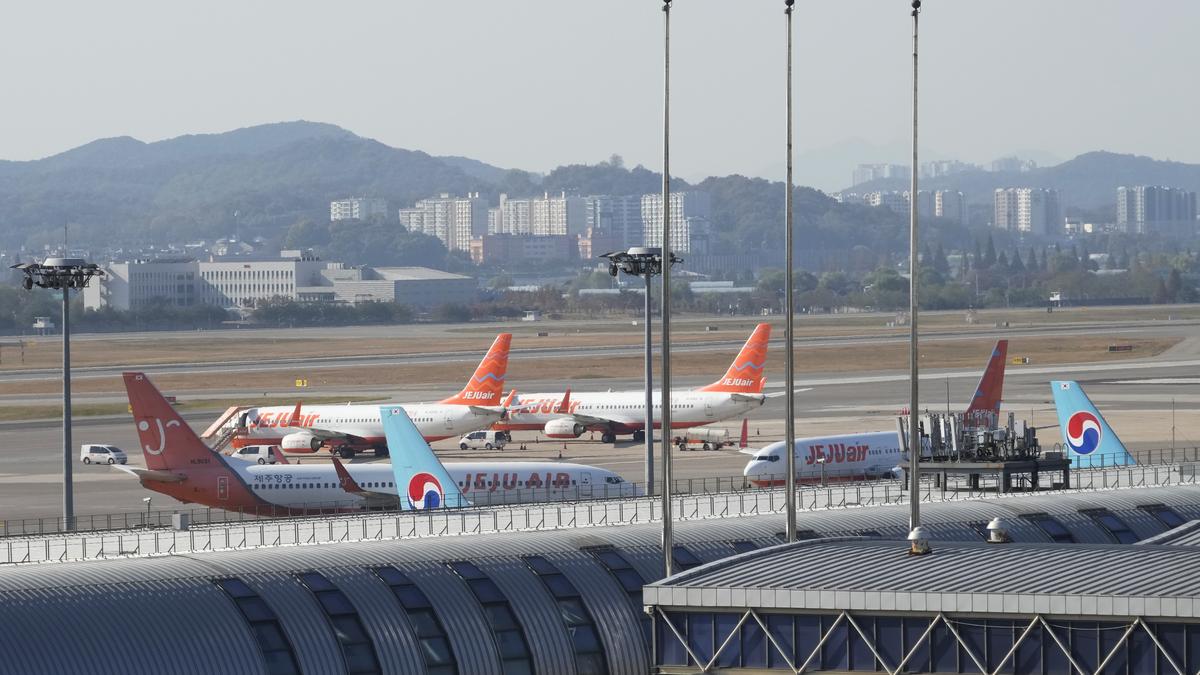
Analyst Sukjoon Yoon, writing on the North Korea-focused website 38 North, highlighted the vulnerability of Incheon International Airport, South Korea’s main transportation hub, to such disruptions. Located just 62 miles from North Korea, the airport handles over 56 million passengers and 3.6 million tons of cargo annually. While no major aviation incidents have been reported so far, Yoon cautioned that GPS interference could pose a significant threat to commercial airlines, especially in conditions of low visibility, and constitute a violation of international navigational safety conventions.
In October, North Korea blew up sections of its unused road and rail routes linked to the South, a symbolic act of aggression towards Seoul. Furthermore, the country began the month by test-launching a new intercontinental ballistic missile, escalating pressure on the United States.
The escalation of North Korea’s actions is viewed as a response to the South’s conservative government, which maintains a hard line on Pyongyang. South Korean officials believe that North Korea’s GPS disruptions are linked to the country’s intensified balloon campaigns, launched in late May as retaliation for South Korean activists’ anti-North Korean propaganda leaflets.
Adding to concerns, there are reports of North Korea supplying military equipment and troops to Russia in support of its war in Ukraine. This deepening military alliance between Moscow and Pyongyang could lead to potential Russian technology transfers, further enhancing the threat posed by North Korea’s nuclear program.
 First Piper