
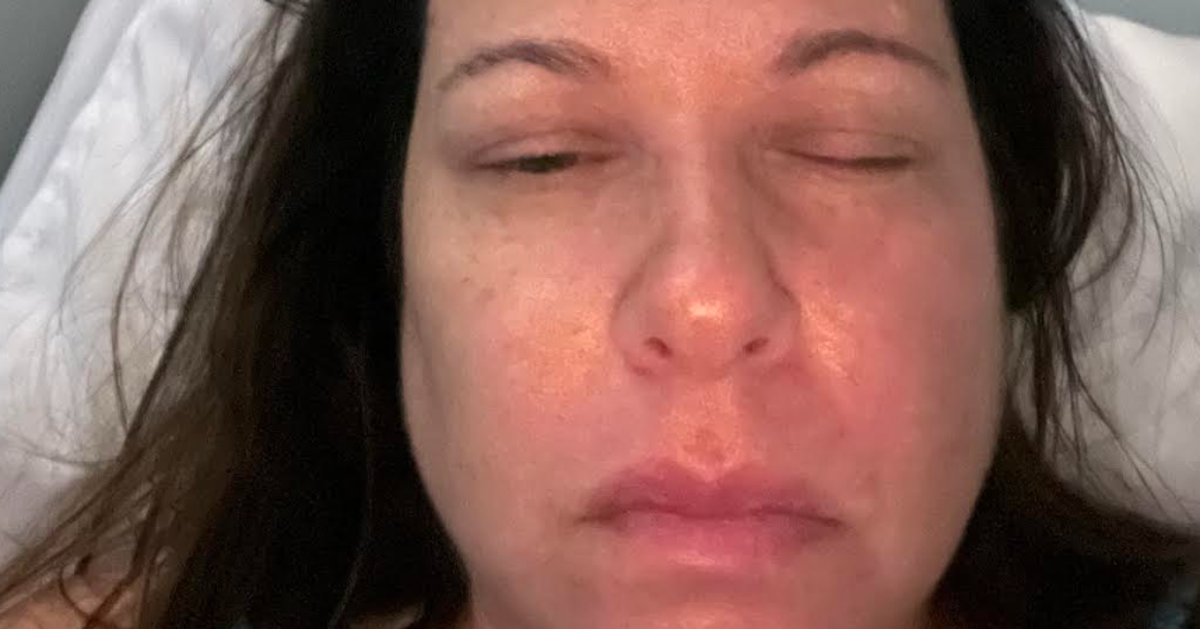
Fri Sep 20 12:30:05 UTC 2024: ## Seattle Woman’s Life Turned Upside Down by Mysterious “Suicide Disease”
**SEATTLE, WA** – A seemingly harmless afternoon of football with colleagues in 2002 took a devastating turn for Seattle resident Alex Hankin Hart. A fractured finger, sprained wrist, and damaged rotator cuff led to a life-altering diagnosis: Complex Regional Pain Syndrome (CRPS).
This debilitating condition, known as the “suicide disease” for its excruciating pain and lack of cure, has impacted every aspect of Hart’s life. The once active woman, who enjoyed cooking, yoga, and gardening, is now confined to her home, enduring a relentless barrage of pain that has spread throughout her entire body.
“It feels like someone is running an industrial sander across my skin,” she describes the agonizing pain. Even the simplest tasks, like walking to the bathroom, are excruciating.
CRPS is poorly understood by the medical community, and there’s no definitive answer to its cause. While doctors have offered various theories, none have led to a permanent solution. Worse yet, the opioid crisis has made obtaining pain medication a near-impossible feat for Hart, despite her clean history and willingness to undergo regular drug tests.
Hart has sought treatment from over 20 doctors in four states, undergoing countless therapies and medications. She’s even had a spinal cord stimulator implanted, which offered temporary relief, but the pain always returned.
Her story highlights the immense suffering experienced by an estimated 200,000 Americans living with CRPS, a condition that the McGill Pain Index ranks as the most painful known to medicine.
“We’re a burden to our families. And the difficulty of obtaining pain medication makes our lives even harder,” Hart shares.
Despite the overwhelming despair, Hart refuses to let her condition define her. She’s advocating for better education for medical professionals on pain management and for increased research into effective treatments.
“We need better options and better access to them, including ketamine infusions and Calmare biofeedback,” she pleads. “We also need cannabis legalized in all 50 states.”
Hart’s journey serves as a stark reminder of the silent epidemic of chronic pain, and the desperate need for greater understanding, compassion, and resources for those who suffer from debilitating conditions like CRPS.
 First Piper