
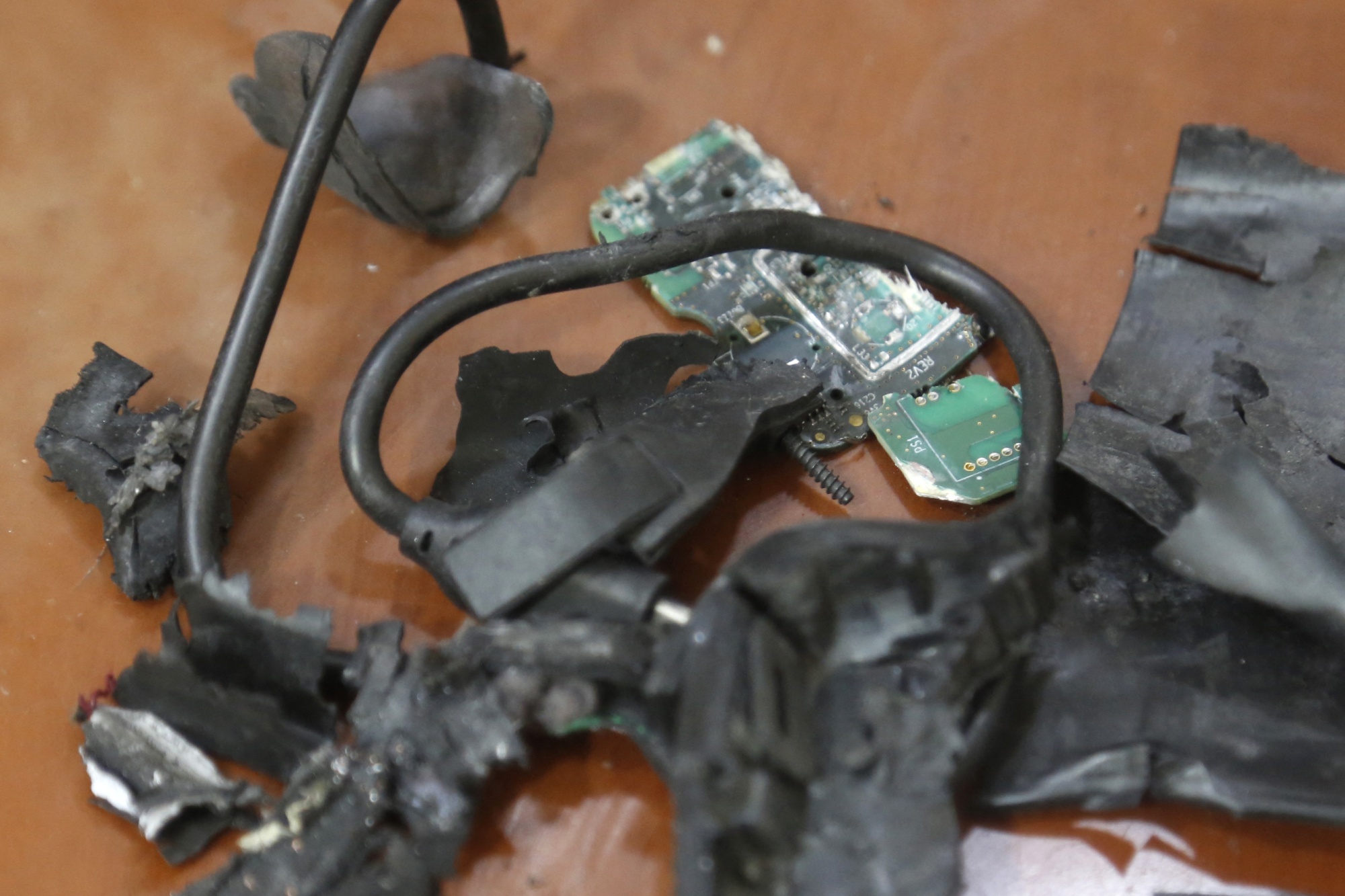
Fri Sep 20 10:28:57 UTC 2024: ## Exploding Pagers in Lebanon: A Warning Sign of Weaponized Supply Chains
A series of devastating explosions targeting pagers and other devices in Lebanon this week has raised serious concerns about the vulnerability of global supply chains. The attacks, which killed at least 37 people and injured hundreds more, are believed to have been orchestrated by Israel against Hezbollah, the Iran-backed militia.
Experts believe the pagers were rigged with explosives, suggesting an elaborate scheme to penetrate Hezbollah’s procurement network, stretching from Taiwan to Hungary. While booby-trapped devices have been used in espionage for years, the scale and lethality of these attacks are unprecedented.
The incident has sparked alarm among security officials who fear that globalized supply chains, essential for cheap goods and economic growth, are becoming potential weapons in the hands of adversaries.
“When you depend on other nations for key inputs or technology, you give them a back door into everything you do,” warns Melanie Hart, a former senior State Department official. This incident, she says, highlights the dangers of weaponizing such dependence.
US officials are particularly concerned about their reliance on China for various goods and services. The government is actively working to relocate vital supply chains, particularly those related to national security, to the US or allied countries.
This incident echoes warnings from US intelligence agencies who point to similar attacks happening worldwide. These operations, often years in the making, are narrowly targeted to minimize collateral damage.
Experts emphasize that infiltrating supply chains is a common tactic used by intelligence services. While these efforts were previously primarily focused on information gathering, recent events show a growing trend towards targeted killings.
China, in particular, has been accused of positioning cyber attackers to disrupt critical infrastructure in the US. Meanwhile, US spies have historically exploited their dominance in supply chains to insert technologies for surveillance and sabotage against rivals.
The Lebanese explosions highlight the immense challenge of securing supply chains in the digital age. Malicious code can be easily embedded in countless devices, from communication equipment to critical infrastructure.
Experts urge the US government to allocate resources to implement robust security measures, particularly in the semiconductor industry. However, despite acknowledging the threat, the US still faces significant reliance on foreign suppliers.
While efforts are underway to reduce dependence on China, the complex web of globalized supply chains makes it challenging to completely eliminate vulnerabilities. The Lebanese incident underscores the urgent need for a comprehensive approach to securing supply chains, both domestically and internationally.
 First Piper