
Tue Sep 17 02:05:57 UTC 2024: ## Modern-Day Slavery Thrives in the Shadows of E-Commerce and Domestic Work
**Riyadh, Saudi Arabia –** A shocking investigation into the working conditions at Amazon warehouses in Riyadh has exposed the brutal reality of modern-day slavery. Momtaj Mansur, a Nepalese worker lured by the promise of a dream job, found himself trapped in harsh conditions, highlighting the exploitation of migrant workers for corporate profit. Mansur’s experience is just one example of a global trend where labor trafficking, a form of modern-day slavery, flourishes.
The investigation, which uncovered the exploitation of workers from Nepal, Bangladesh, India, and Myanmar, revealed how major corporations benefit from forced labor, often facilitated by the Kafala system, a sponsorship system prevalent in Gulf countries. This system ties migrant workers to their employers, stripping them of their basic rights and freedom of movement.
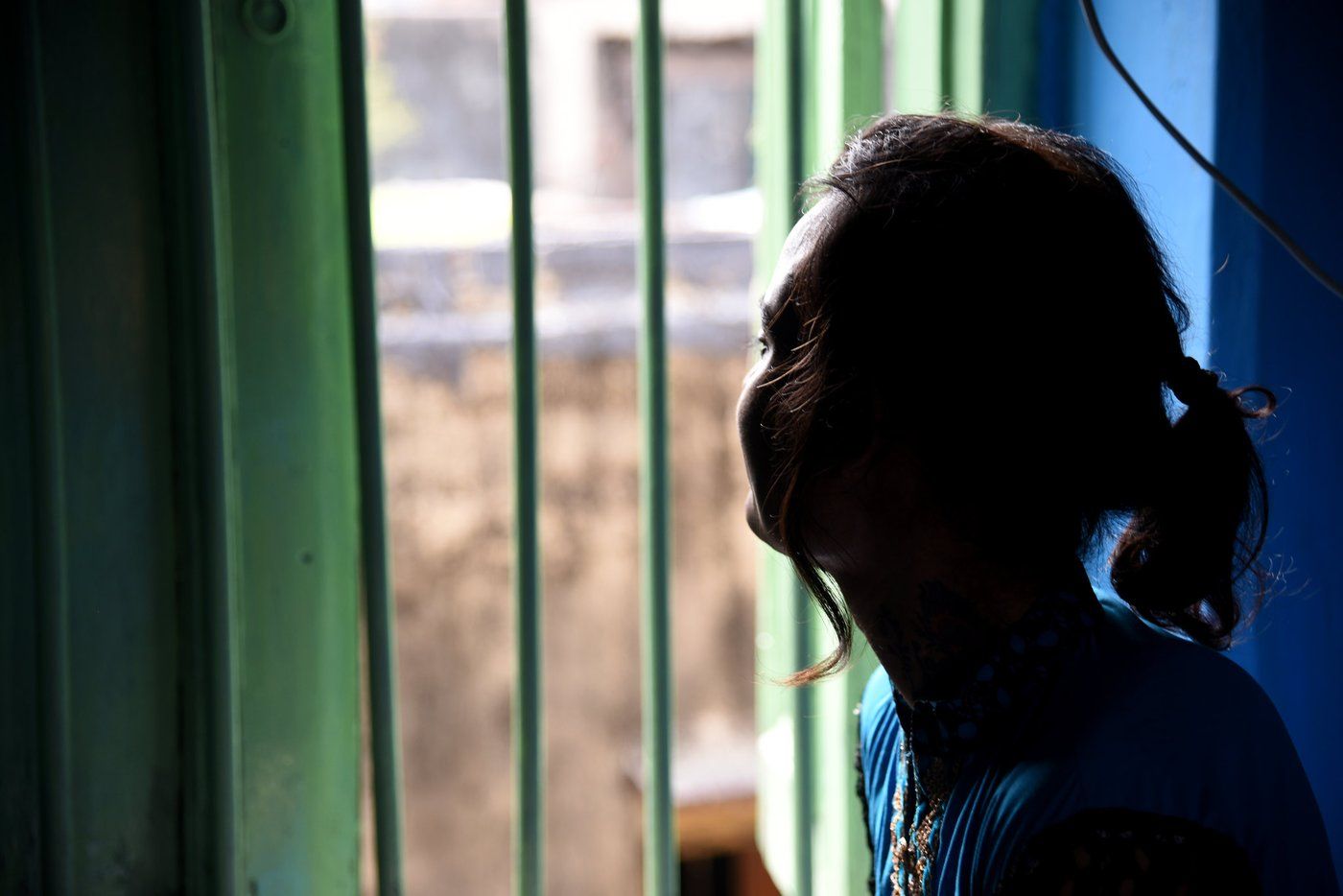
While images of the trans-Atlantic slave trade may come to mind, modern slavery takes on new forms including debt bondage, domestic servitude, forced prostitution, and human trafficking. The International Labor Organization estimates that 50 million people are currently living in modern slavery, with many hiding in plain sight, particularly in the informal economy and domestic work.
Domestic work, the least regulated sector globally, is especially vulnerable to exploitation. The Kafala system, with its lack of rights, long working hours, and denial of social protections, makes women, children, and migrant workers particularly susceptible to abuse.
**The Rise of Online Slave Markets**
The problem has taken on a new dimension with the rise of online slave markets. A BBC investigation uncovered the buying and selling of migrant domestic workers on social media platforms, with photos and profiles of women listed for sale. This unregulated black market, bypassing recruitment agencies, makes these women even more vulnerable to exploitation.
**Urgent Need for Action**
While the UN Sustainable Development Goal 8.7 aims to eliminate modern-day slavery, practical measures are needed. While some Gulf countries have signed bilateral agreements with source countries, much more needs to be done. These agreements must address minimum working age, working hours, salary transfer, holidays, the right to association, and bring domestic work under labor laws.
Online platforms must be held accountable for facilitating these slave markets, and provider states must take action to protect their citizens from exploitation. While banning the migration of unskilled women may seem like a solution, it would deprive them of an opportunity for increased income. Instead, states should focus on empowering these women with policies that protect them from exploitation and ensure their rights are respected.
**The fight against modern-day slavery requires a collaborative effort from governments, corporations, and individuals. Awareness, accountability, and strong legal frameworks are essential to dismantling these exploitative systems and ensuring a future where all workers are treated with dignity and respect.**
 First Piper