
Sun Sep 15 12:00:00 UTC 2024: ## Methane Emissions Soaring Despite Global Pledge: Urgent Action Needed
A new study published in the Global Carbon Project reveals that methane emissions are increasing at an alarming rate, despite global efforts to curb them. The research, involving 66 research institutions worldwide, found that human activities now account for two-thirds of all methane vented into the atmosphere.
This alarming trend contradicts the 2021 Global Methane Pledge, which aimed to reduce methane emissions by 30% by 2030. Over 150 nations have signed onto the pledge, representing over half of global methane emissions. However, the study shows atmospheric concentrations are growing faster than ever before, a trend that began in the 2010s.
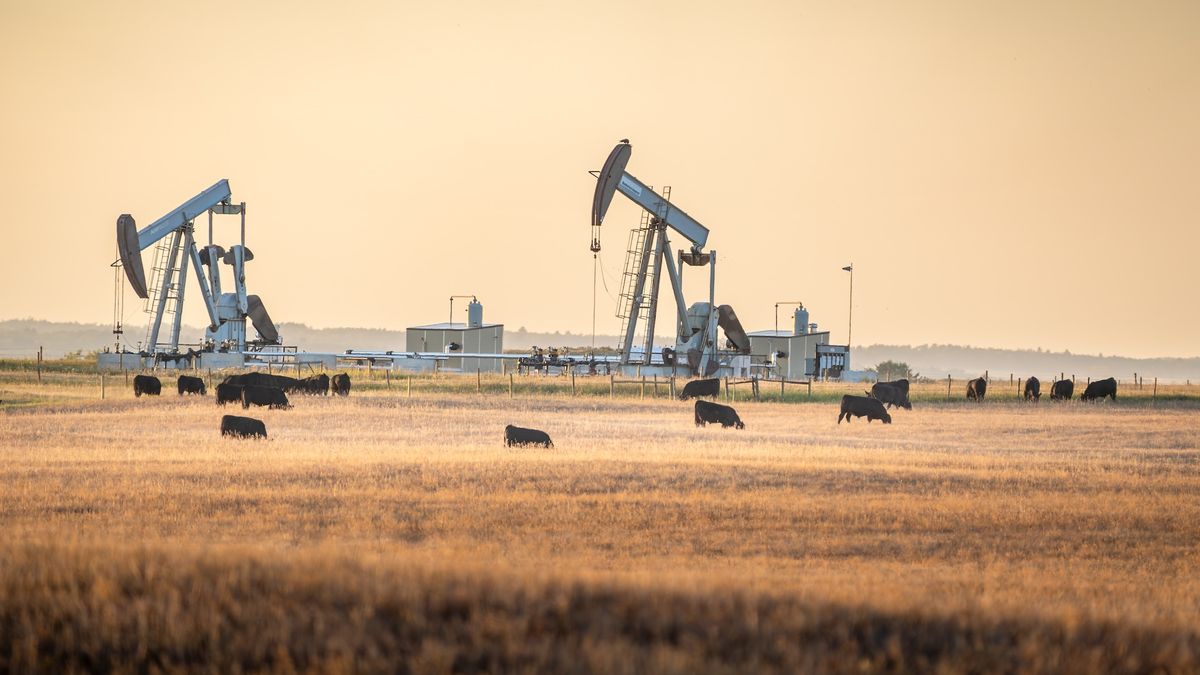
While natural sources like wetlands contribute to methane emissions, human activities are responsible for the majority. The study identified agriculture (livestock and rice paddies), fossil fuels, and landfills as the biggest culprits. Of these, fossil fuel emissions are now comparable to livestock emissions, with landfill and fossil fuel emissions experiencing the most rapid growth.
The urgency of addressing this issue is highlighted by the fact that methane is 80 times more effective than carbon dioxide at trapping heat in the atmosphere over the first two decades. Despite being less abundant than carbon dioxide, methane is responsible for a significant portion of global warming.
The researchers warn that unchecked methane emissions could lead to a temperature rise of up to 3°C by 2100, exceeding the targets set by the 2015 Paris Agreement. To avert this, a 45% reduction in methane emissions by 2050 is required.
While the problem is significant, solutions exist across all sectors. The oil and gas industry could achieve a 40% reduction in emissions at no net cost. In agriculture, feed additives can reduce methane belching from livestock, and mid-season drainage can reduce rice paddy emissions. Capturing landfill methane for energy production is another viable solution.
The study highlights the need for urgent action to reduce methane emissions. Countries and industries must implement effective policies and solutions to mitigate this dangerous greenhouse gas and prevent further climate change.
 First Piper