
Thu Sep 12 08:50:58 UTC 2024: ## Residents Rise Up Against “Wild Tourism” in Spain and Beyond
Across the globe, residents of popular tourist destinations are increasingly protesting against the negative impacts of “wild tourism.” This surge in discontent is fueled by the post-pandemic tourism boom, with record numbers of travelers seeking to make up for lost time and experiences.
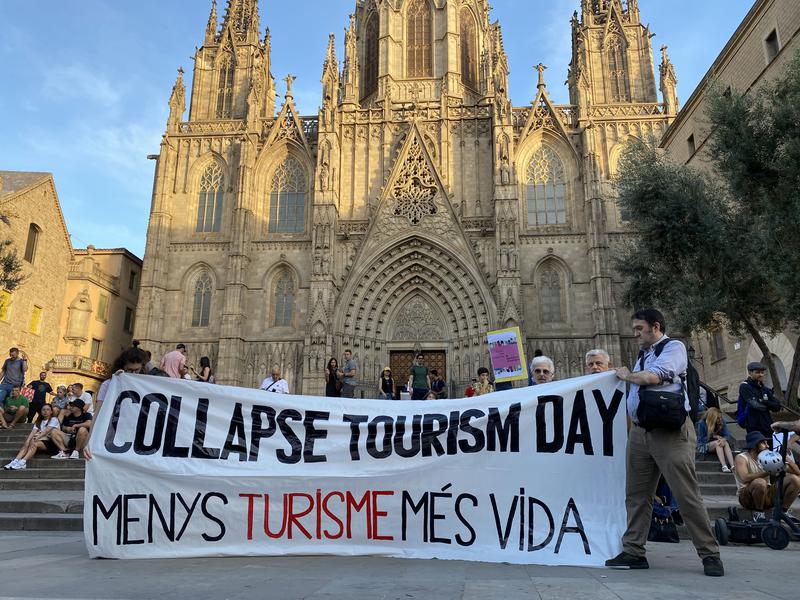
In Spain, the Balearic Islands, including Mallorca, have seen a dramatic influx of tourists, with six million visitors arriving before the official tourism season even began, an 8% increase compared to last year. Similar protests have erupted in Barcelona, where the number of tourists annually exceeds the city’s population. Residents have taken to the streets with banners declaring “Tourists Go Home,” highlighting their frustration with the disruptive nature of mass tourism.
The issue isn’t limited to Spain. Cities like Amsterdam, Venice, Dubrovnik, and Athens, as well as destinations in Italy and Latin America, are all experiencing the negative consequences of overtourism. This phenomenon is not just about crowded streets and overwhelmed infrastructure; it also negatively impacts local economies, housing markets, and the quality of life for residents.
The economic impact is particularly acute. The influx of tourists drives up prices for everything from services to healthcare, creating a temporary boom followed by an economic slump once the tourist season ends. Local businesses struggle to compete with international capital, and residents are forced to migrate to less crowded areas due to rising housing costs. Furthermore, the tourism industry is often characterized by labor exploitation and poor working conditions, further exacerbating the economic divide.
The social and environmental impact of “wild tourism” is equally concerning. The relentless pursuit of profit leads to the destruction of natural landscapes and the homogenization of local culture. The constant influx of tourists disrupts the peace and quiet of local communities, with noise, garbage, and a general sense of “occupation” becoming commonplace.
While the tourism industry remains a vital source of income for many countries, the negative consequences of “wild tourism” cannot be ignored. The need for sustainable tourism practices is increasingly recognized, but concerns remain that such measures will merely serve as a more expensive version of existing practices, further benefiting large corporations.
The struggle against “wild tourism” represents a broader movement advocating for a more equitable and sustainable future for both residents and tourists alike. It calls for a shift towards responsible tourism practices that prioritize the well-being of local communities, the environment, and the preservation of cultural heritage.
 First Piper