
Wed Sep 11 23:30:33 UTC 2024: ## Election Security Takes Center Stage as Secretaries of State Testify Before Congress
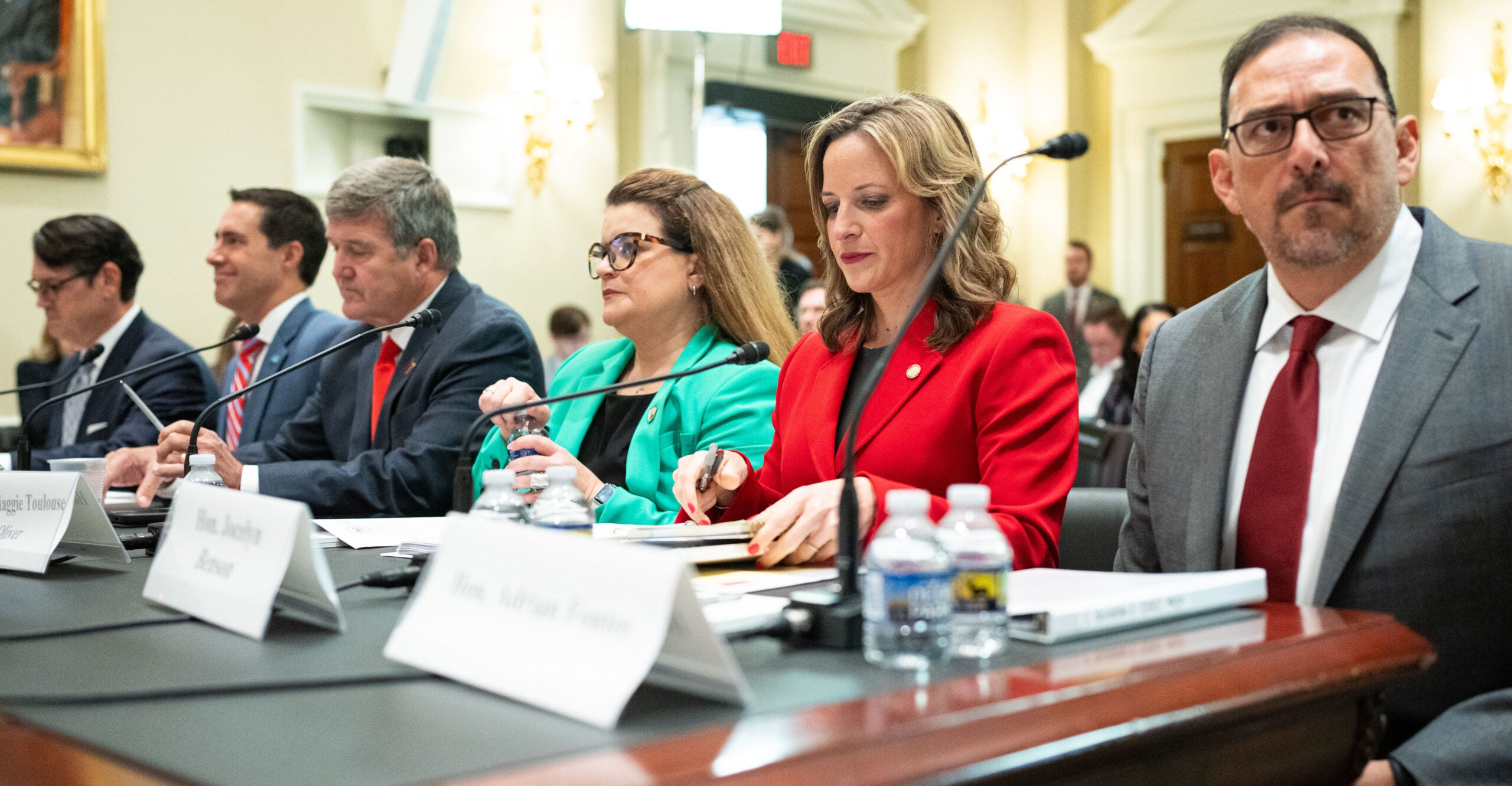
**Washington D.C.** – In a heated congressional hearing on Wednesday, six secretaries of state from across the country testified about bolstering public confidence in elections. The hearing, convened by the House Administration Committee, saw both Republicans and Democrats express concerns about election security, though their solutions differed significantly.
A key point of contention was the presence of non-citizens on voter registration lists. All six secretaries of state, regardless of party affiliation, agreed that this number should be zero. However, this consensus clashed with the Democratic stance against a Republican-backed bill requiring proof of citizenship for voter registration.
Another point of contention was the role of voter ID laws. Republican members, like Chairman Bryan Steil, emphasized the importance of voter ID laws, citing their prevalence in other aspects of daily life and their widespread public support. Democratic Secretary of State Maggie Toulouse Oliver of New Mexico, however, argued that voter ID wasn’t a “magic bullet” for boosting confidence in elections.
The hearing also saw debate over foreign interference in elections. Republican Secretary of State Frank LaRosa of Ohio highlighted a recent law passed in his state prohibiting foreign funding of ballot referendums, pointing to a Swiss billionaire’s contribution to a redistricting reform initiative as evidence of foreign meddling.
Secretary of State Mac Warner of West Virginia, also a Republican, took a broader view, calling the 2020 election “the worst election interference in American history,” pointing to a debunked claim by 51 former federal intelligence officials regarding Hunter Biden’s laptop. He asserted that these officials’ actions damaged public trust and called for greater accountability from government institutions.
The hearing highlighted the deeply divided opinions on election security, with Republicans emphasizing voter ID, preventing foreign influence, and accountability for government officials, while Democrats focused on ensuring accessibility for all eligible voters. The debate is likely to continue as the 2024 election approaches, with both sides aiming to solidify their positions on critical issues impacting the integrity of American elections.
 First Piper