
Tue Sep 10 16:47:10 UTC 2024: ## US Military Bases in the Persian Gulf Face Growing Threats and Political Leverage
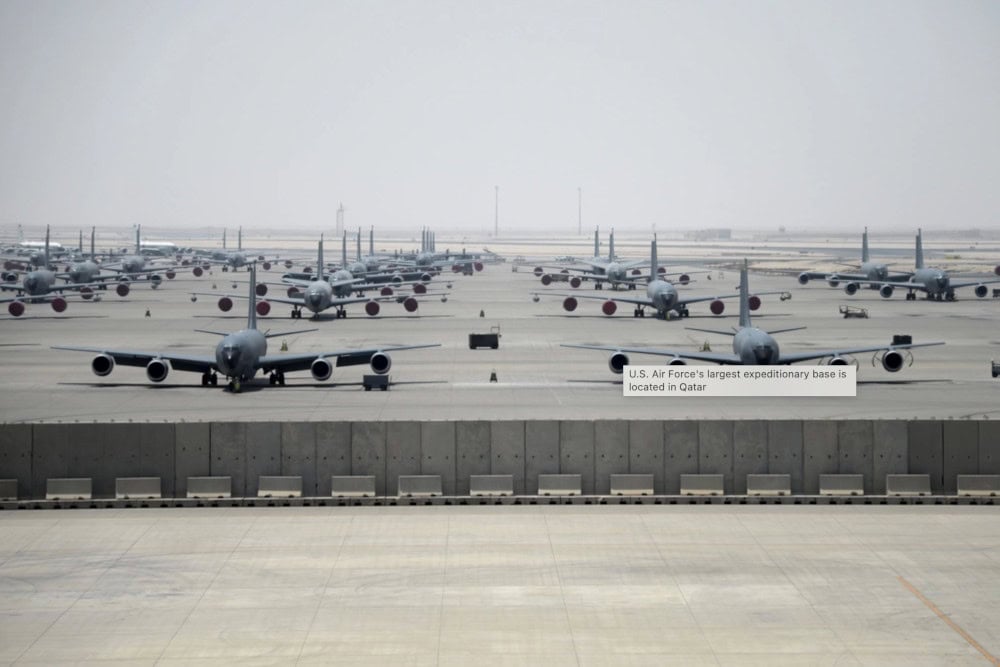
**Washington, D.C.** – The United States military’s presence in the Persian Gulf is facing increasing challenges, according to a new analysis by the Foundation for Defense of Democracies. The report highlights two major concerns: the escalating missile and drone capabilities of Iran and the growing tendency of some Arab partners to restrict access to bases or use them for political leverage.
Iran’s military modernization, particularly its ballistic missile and drone programs, poses a significant threat to US forces stationed in the region. The report notes that Iran’s ballistic missile arsenal, coupled with its willingness to use these weapons, poses a serious risk to US bases. The 2020 attack on Ain al-Asad and Erbil in Iraq serves as a stark reminder of Iran’s capability and intent.
Furthermore, the report expresses concern over the political leverage some host countries wield over US military bases. Qatar, Kuwait, and the United Arab Emirates have been known to restrict access to bases for specific missions, potentially impacting US operations and potentially putting pressure on Washington to adopt policies favorable to the host governments.
The report calls for a proactive response to these challenges. It recommends:
* **Strengthening air and missile defense capabilities** at existing bases to counter Iranian missile and drone threats.
* **Replicating critical military capabilities** at alternative locations within the region, beyond the range of Iranian missiles. This would decrease reliance on vulnerable bases and ensure operational continuity in the event of an attack.
* **Promoting the Air Force’s Agile Combat Employment concept** by operating from smaller, more dispersed bases to enhance survivability and combat effectiveness.
By diversifying its basing strategy and reducing reliance on single locations, the United States can enhance the security of its forces, maintain operational flexibility, and limit the political leverage that host governments can exert.
The report concludes that “the United States has vital interests in the Middle East to protect. Washington should ensure US forward-deployed troops are sufficiently protected and do not rely on single points of failure at any one base. Washington should also ensure that it does not permit any host government to transform US military bases from assets to liabilities.”
 First Piper