
Sun Feb 22 17:27:45 UTC 2026: ### Pakistan Claims Airstrikes Killed 70 Terrorists in Afghanistan, Escalating Tensions
The Story:
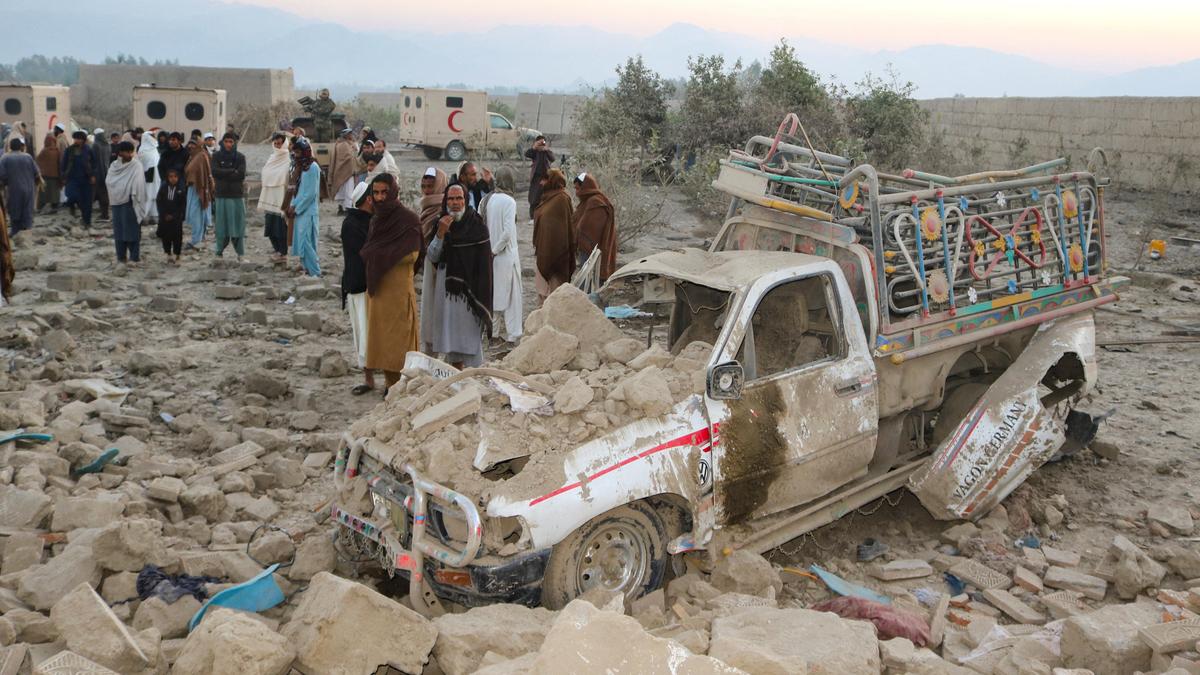
On February 22, 2026, Pakistan announced it conducted airstrikes targeting militant hideouts in Afghanistan, claiming to have killed 70 terrorists in retaliation for recent attacks within Pakistan. The strikes targeted at least seven locations in Afghanistan, which Pakistan alleges were being used by terrorists to launch attacks inside its borders. Pakistan’s State Minister for Interior, Talal Chaudhry, asserted that Afghanistan has been “exporting terrorism” and that Pakistan is acting to protect its citizens. Afghanistan has condemned the strikes as a violation of its sovereignty and warned of a “necessary and measured response.”
Key Points:
- Pakistan claims to have killed 70 terrorists in airstrikes in Afghanistan on February 22, 2026.
- The strikes were a response to recent suicide bombings in Islamabad, Bajaur, and Bannu, Pakistan.
- Pakistan blames the attacks on Afghanistan-based Pakistani Taliban (Fitna-al-Khwarij – FAK) and Islamic State of Khorasan Province (ISKP).
- Pakistan alleges the Afghan Taliban regime has failed to prevent the use of Afghan territory for terrorist activities against Pakistan, violating the 2020 Doha Accords.
- Afghanistan summoned Pakistan’s ambassador and issued a protest note, warning of a “necessary and measured response.”
- The Afghan Defence Ministry called the strikes a “clear violation” of its national sovereignty and international law.
- Most of the terrorists killed were Pakistani nationals according to Mr. Chaudhry.
Key Takeaways:
- Relations between Pakistan and the Afghan Taliban have significantly deteriorated, primarily due to Pakistan’s accusations that Afghanistan is failing to control terrorist groups operating within its borders.
- Pakistan’s actions represent a significant escalation in cross-border tensions and raise concerns about regional stability.
- The situation puts the Afghan Taliban regime in a difficult position, as they face pressure from Pakistan to act against groups that may have ties to them.
- The international community is urged by Pakistan to encourage the Taliban regime to adhere to their commitments under the Doha Agreement and prevent the use of Afghan soil for terrorism.
Impact Analysis:
The airstrikes and the subsequent exchange of warnings have the potential for long-term destabilizing effects in the region. The key impacts are:
- Increased Regional Instability: The cross-border attacks and retaliatory strikes could trigger further violence and instability in the already volatile region.
- Deterioration of Pakistan-Afghanistan Relations: The already strained relationship between Pakistan and the Afghan Taliban regime is likely to worsen, hindering any future cooperation on counter-terrorism efforts.
- Humanitarian Crisis: Continued conflict could lead to displacement of populations and exacerbate the existing humanitarian crisis in Afghanistan.
- Impact on International Relations: The situation could affect Pakistan’s relationship with other countries, especially those who have been engaging with the Taliban regime. It also increases pressure on the international community to address the security situation in the region.
 First Piper