
Sun Feb 22 20:39:59 UTC 2026: # Iran Threatens Retaliation Amidst Rising Tensions with US, Diplomatic Hopes Remain
The Story:
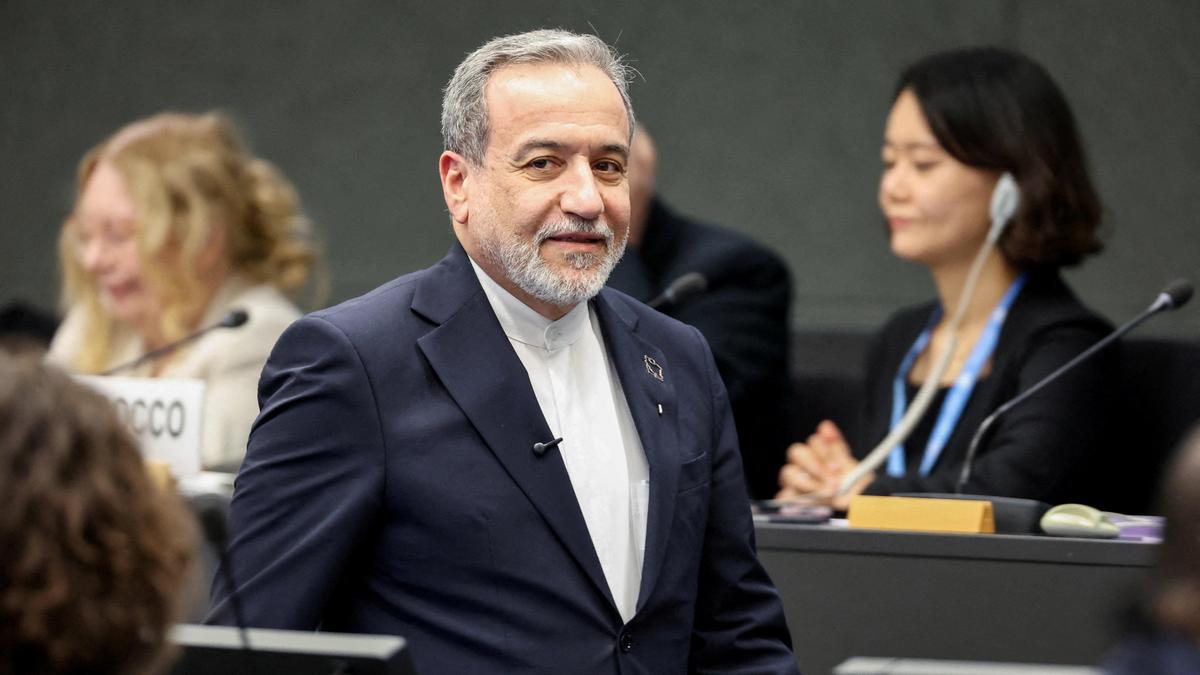
Amidst heightened tensions, Iran’s Foreign Minister Abbas Araghchi stated on Sunday, February 22, 2026, that Iran would retaliate against U.S. interests in West Asia if attacked. His comments come after a major U.S. military redeployment to the region and increased threats of military action following a deadly crackdown on nationwide protests. While Araghchi acknowledged the possibility of a diplomatic resolution, he also affirmed Iran’s right to enrich uranium.
Simultaneously, Iranian students held both pro- and anti-government protests, reflecting internal divisions amidst growing fears of conflict. The U.S. envoy revealed that President Donald Trump is questioning why Iran hasn’t “capitulated” under U.S. pressure. Several countries have urged their citizens to leave Iran, signaling increasing concern about a potential war.
Key Points:
- Abbas Araghchi stated Iran would strike back at U.S. interests in West Asia if attacked.
- New talks are “probably” scheduled for Thursday in Geneva.
- The U.S. has deployed significant military assets to West Asia.
- Steve Witkoff, President Trump’s West Asia negotiator, said Trump is questioning why Iran hasn’t “capitulated” to U.S. pressure.
- Iran insists on its right to enrich uranium for civilian purposes.
- Competing pro- and anti-government protests are occurring in Iran.
- Several countries are urging their citizens to leave Iran.
- Previous talks were interrupted by an Israeli bombing campaign last year.
Critical Analysis:
The series of events reveals a familiar pattern of escalating tension, brinkmanship, and attempts at diplomatic resolution in the U.S.-Iran relationship. Trump’s explicit desire for Iran’s “capitulation” indicates a maximalist approach, seeking complete submission rather than compromise. This hardline stance, coupled with the military buildup, increases the risk of miscalculation or accidental escalation. The internal protests in Iran, while concerning for the regime, also complicate the situation, potentially pushing Iran to adopt a more defiant posture to maintain domestic legitimacy.
Key Takeaways:
- The risk of military conflict between the U.S. and Iran remains high.
- Despite the threats, diplomatic efforts are still underway, suggesting both sides recognize the potentially catastrophic consequences of war.
- Internal political instability in Iran is influencing its foreign policy decisions.
- President Trump’s administration is pursuing a strategy of maximum pressure on Iran.
- The situation is highly volatile and could escalate rapidly.
Impact Analysis:
The current trajectory poses significant long-term implications for regional stability, global oil prices, and nuclear proliferation. A military conflict could engulf the entire region, drawing in other actors and creating a protracted crisis. Even if a diplomatic solution is reached, the underlying tensions and distrust will likely persist. Failure to address the nuclear issue could lead to a renewed arms race in the Middle East, further destabilizing the region. The economic consequences of conflict or continued sanctions would exacerbate existing problems, potentially fueling further unrest and radicalization.
 First Piper