
Sat Feb 21 23:30:34 UTC 2026: ### Ladakh’s Education Crisis: CBSE Switch Leads to Declining Pass Rates Amidst Harsh Winter Conditions
The Story:
Ladakh’s education system is facing significant challenges following the transition from the Jammu and Kashmir Board of School Education (JKBOSE) to the Central Board of Secondary Education (CBSE) in 2022. Since the implementation of CBSE exams in 2024 and 2025, pass percentages for Class 10 and 12 students have plummeted compared to previous years under JKBOSE. The shift, coupled with the timing of exams during Ladakh’s severe winter, has raised concerns about student performance and the suitability of the CBSE curriculum for the region.
Key Points:
- Ladakh switched from JKBOSE to CBSE in 2022, three years after becoming a Union Territory in 2019.
- Class 12 pass percentages under CBSE were 44% in 2024 and 48% in 2025, significantly lower than the JKBOSE average of 65% between 2017 and 2023.
- Class 10 pass percentages under CBSE were 53% in 2024 and 73% in 2025, also lower than the JKBOSE average of 70% between 2017 and 2023.
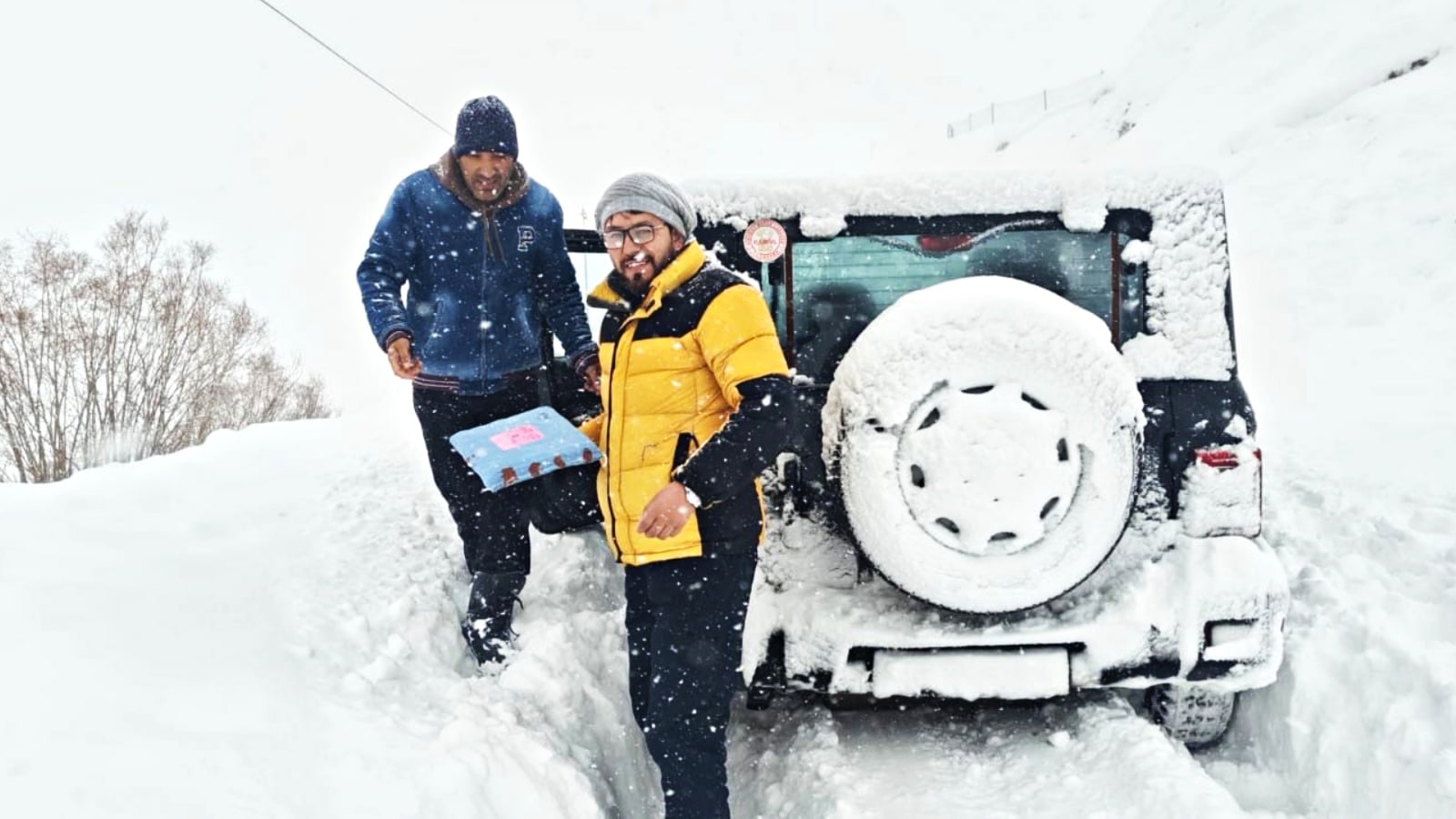
- CBSE exams are held in February, coinciding with Ladakh’s harsh winter, with temperatures as low as -20.6 degrees Celsius recorded during exam days. JKBOSE exams were previously held in November.
- The CBSE exam pattern emphasizes competency-based questions, requiring deeper understanding compared to the memorization-based approach of JKBOSE.
- Remedial classes and residential coaching sessions are being conducted during winter months to help students prepare for the CBSE exams.
- Ladakh’s administration requested a different examination calendar from CBSE, which offered an option to take the second set of papers in May, but Ladakh declined to maintain equal opportunities with the rest of the country.
- Member of Parliament Mohmad Haneefa raised concerns in the Lok Sabha about the declining pass percentages and requested exams be held in October-November.
Key Takeaways:
- The transition to CBSE in Ladakh has negatively impacted student performance, likely due to a combination of curriculum changes and unfavorable exam timing.
- The timing of CBSE exams during Ladakh’s harsh winter poses a significant challenge for students, impacting their ability to perform optimally.
- The shift to competency-based questions requires a different teaching and learning approach, which Ladakh’s education system is still adapting to.
- While CBSE offered some flexibility, Ladakh chose to maintain uniformity with the rest of the country, highlighting a tension between national standards and local needs.
- There is a need for a more tailored approach to education in Ladakh, considering its unique geographical and climatic conditions.
Impact Analysis:
The declining pass rates in Ladakh following the switch to CBSE could have long-term implications for the region’s educational landscape and socio-economic development. If not addressed, this trend could lead to:
- Reduced Educational Opportunities: Lower pass rates may limit students’ access to higher education and vocational training, hindering their future prospects.
- Increased Socio-Economic Disparities: A less educated workforce could exacerbate existing socio-economic inequalities in the region.
- Erosion of Public Trust: Continued poor performance under CBSE could erode public trust in the education system and the administration’s ability to effectively manage it.
- Regional Disadvantage: Ladakh’s students may be at a disadvantage compared to their peers in other parts of the country, limiting
 First Piper