
Sun Feb 22 11:06:13 UTC 2026: # Pakistan Strikes Terrorist Hideouts in Afghanistan, Raising Regional Tensions
The Story:
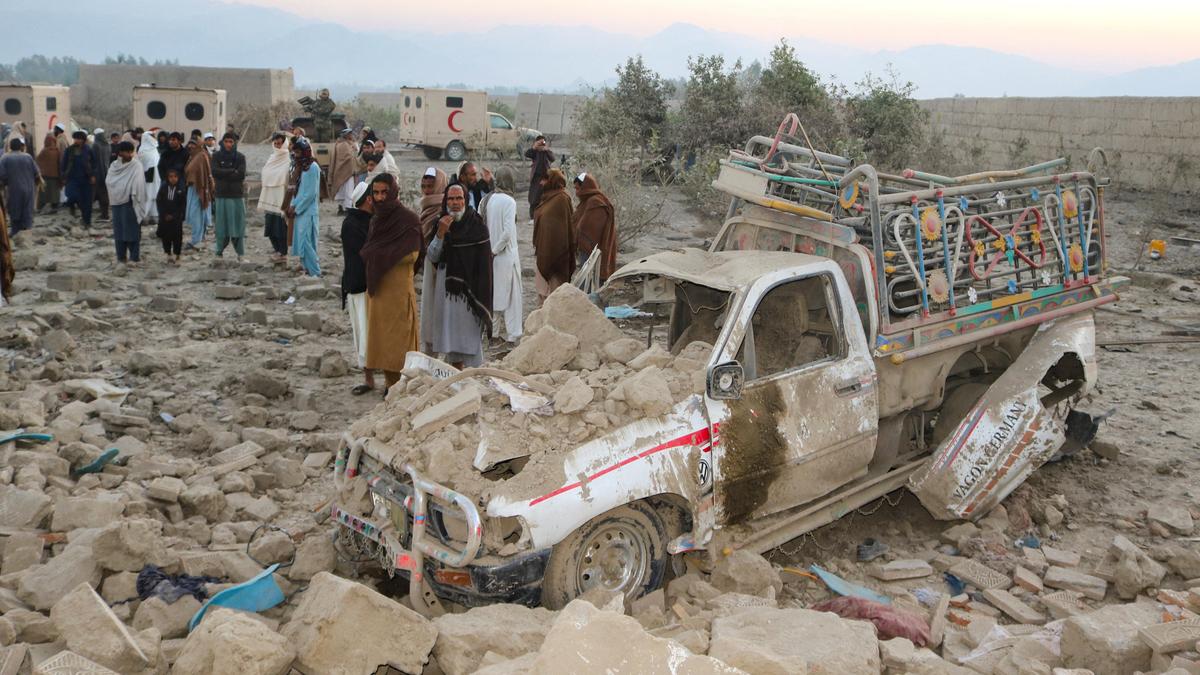
On February 22, 2026, Pakistan conducted airstrikes targeting what it claimed were seven terrorist hideouts inside Afghanistan, in retaliation for recent attacks on Pakistani soil, including a suicide bombing that killed an army lieutenant colonel and a soldier. Pakistan alleges that these attacks were perpetrated by the banned Tehreek-e-Taliban Pakistan (TTP), referred to as Fitna-al-Khwarij (FAK), and the Islamic State of Khorsan Province (ISKP), operating from Afghan territory. Afghanistan has condemned the strikes as a violation of its sovereignty and warned of a “necessary and measured response.”
Key Points:
- Pakistan claims the strikes targeted terrorist camps belonging to Pakistani Taliban (FAK) and ISKP near the Afghan border.
- The strikes were a response to multiple terrorist attacks in Pakistan, including attacks in Islamabad, Bajaur, and Bannu.
- Pakistan accuses the Afghan Taliban regime of failing to prevent terrorist groups from using Afghan soil to launch attacks.
- Afghanistan views the strikes as a violation of its sovereignty and international law, and threatens retaliation.
- Relations between Pakistan and the Afghan Taliban have been deteriorating due to the issue of cross-border terrorism.
Critical Analysis:
The airstrikes represent a significant escalation in the already strained relationship between Pakistan and the Taliban-led Afghanistan. Pakistan’s action demonstrates its frustration with the Afghan government’s perceived inability or unwillingness to control militant groups operating within its borders. The timing of the strikes, following a series of attacks and preceding Afghanistan’s warning, suggests a calculated move by Pakistan to assert its security interests.
Key Takeaways:
- Cross-border terrorism remains a critical security challenge for Pakistan.
- The relationship between Pakistan and Afghanistan is increasingly fragile and volatile.
- Regional stability is threatened by the presence and activity of terrorist groups operating along the Pakistan-Afghanistan border.
- The international community is being urged to encourage the Taliban to adhere to the Doha Agreement and prevent the use of Afghan soil for attacks against other countries.
- This event could trigger a cycle of retaliatory actions, further destabilizing the region.
Impact Analysis:
The airstrikes have the potential for significant long-term implications. The deteriorating relationship between Pakistan and Afghanistan could lead to increased border tensions, further complicating efforts to combat terrorism. The Afghan Taliban’s threatened response could trigger an armed conflict. This situation necessitates a concerted diplomatic effort by regional and international actors to de-escalate tensions, address the root causes of cross-border terrorism, and promote stability in the region. Failure to do so could have serious consequences for regional and global security.
 First Piper