
Sun Feb 22 08:21:27 UTC 2026: # Namo Bharat and Meerut Metro Inaugurated, Transforming Regional Connectivity
The Story:
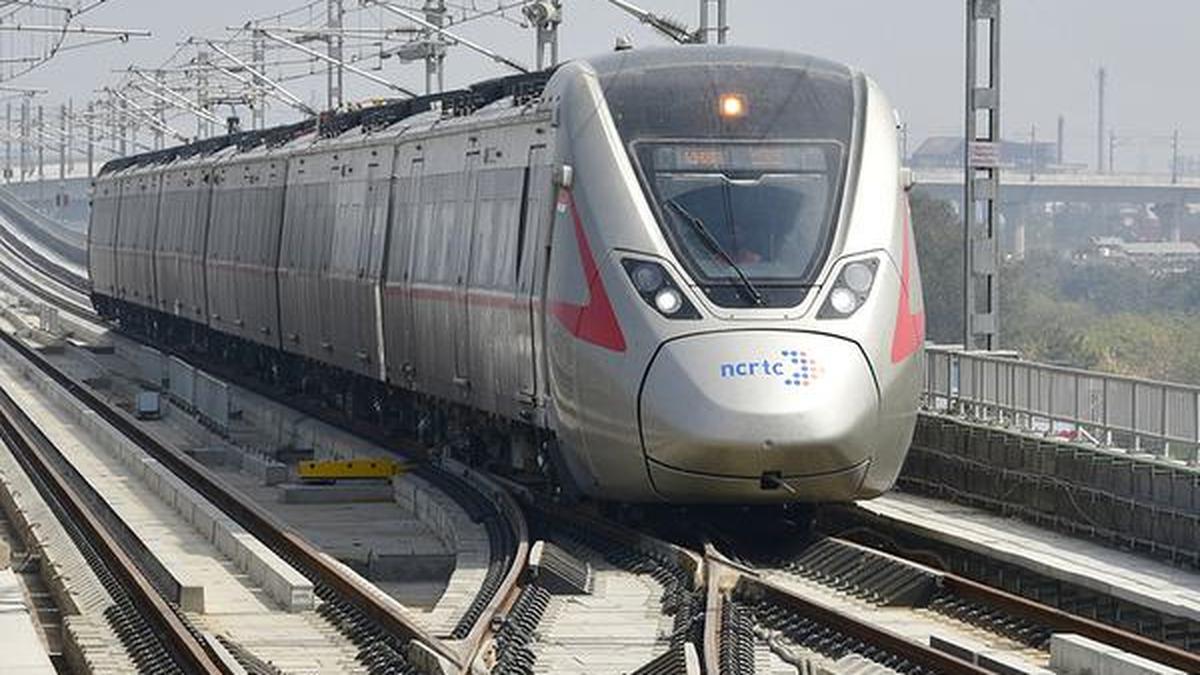
Prime Minister Narendra Modi inaugurated the Namo Bharat train and Meerut Metro services on Sunday, February 22, 2026. This launch marks a significant step in the Centre’s initiative to expand regional rapid transit systems, aiming to reduce travel time, ease congestion, and promote sustainable urban mobility between Delhi and Meerut. The inauguration includes the entire 82 km Delhi-Meerut Namo Bharat Corridor and key sections of India’s first Regional Rapid Transit System (RRTS).
Key Points:
- The inaugurated corridor includes the 5 km section between Sarai Kale Khan and New Ashok Nagar in Delhi, and the 21 km stretch between Meerut South and Modipuram in Uttar Pradesh.
- Namo Bharat has a design speed of 180 km per hour, connecting major urban centers like Sahibabad, Ghaziabad, Modinagar, and Meerut with Delhi.
- Sarai Kale Khan is a major multi-modal hub connecting various transportation systems.
- Meerut Metro is India’s fastest metro system, with a maximum operational speed of around 120 km/h, covering the entire stretch in just 30 minutes.
- The Delhi-Meerut RRTS allows travel from Sarai Kale Khan to Modipuram, Bejajpul, and Shatabdi Nagar within an hour, significantly faster than road travel.
- Services will run from 6:00 a.m. to 10:00 p.m. on weekdays and Saturdays, and from 8:00 a.m. to 10:00 p.m. on Sundays.
Key Takeaways:
- The inauguration of the Namo Bharat and Meerut Metro represents a significant advancement in India’s regional connectivity infrastructure.
- The integrated transport model, combining regional rapid transit with city metro services, is a first-of-its-kind initiative in India.
- The project aims to reduce travel time, alleviate congestion, and promote sustainable urban mobility.
- The launch highlights the government’s commitment to modernizing transportation infrastructure.
- The RRTS is expected to significantly improve the travel experience within the Delhi-NCR region.
Impact Analysis:
The launch of the Namo Bharat and Meerut Metro is expected to have a long-term impact on the Delhi-NCR region.
* Economic Growth: Improved connectivity can stimulate economic activity by facilitating easier access to jobs, markets, and services.
* Reduced Congestion: The high-speed transit system will likely divert traffic from roads, reducing congestion and pollution levels.
* Urban Development: The RRTS corridor can promote planned urban development along its route, leading to better housing, infrastructure, and amenities.
* Sustainable Mobility: By providing a viable alternative to private vehicles, the project supports sustainable urban mobility and reduces carbon emissions.
* National Model: The Delhi-Meerut RRTS can serve as a model for similar projects in other regions of India, contributing to a nationwide improvement in transportation infrastructure.
 First Piper