
Sun Feb 01 07:16:46 UTC 2026: ### Headline: India Focuses on Waste-to-Energy as Landfill Alternatives
The Story:
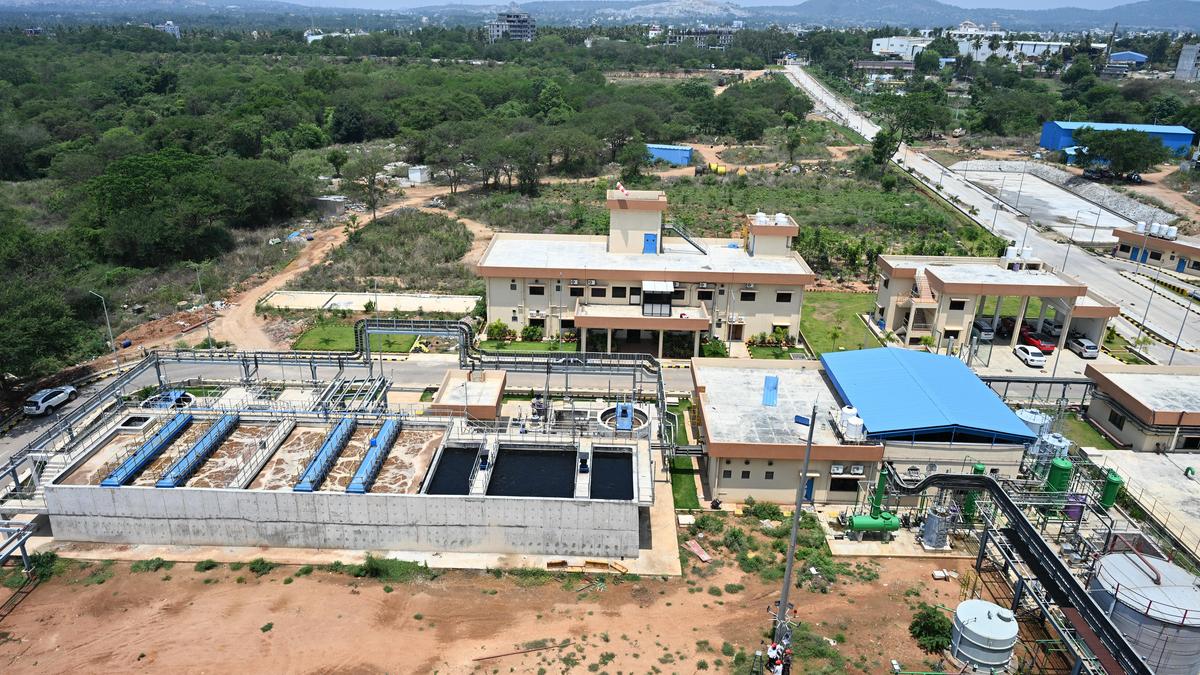
A recent report highlights India’s growing reliance on Waste-to-Energy (WtE) technology as a means to combat the increasing burden of solid waste management. The report, published on February 2, 2026, discusses the processes involved in WtE, including incineration, gasification, and anaerobic digestion. While WtE offers a significant reduction in waste volume and the potential to mitigate methane emissions from landfills, concerns remain regarding the release of pollutants, particularly from older or poorly managed facilities. India currently operates at least 21 WtE plants and 133 biogas facilities, operating under the Solid Waste Management Rules 2026.
Key Points:
- Waste-to-Energy (WtE) converts non-recyclable waste into usable fuel like heat or electricity.
- Common methods include incineration, gasification, and anaerobic digestion.
- WtE can reduce waste volume by approximately 90%, extending landfill lifespans.
- Diverting organic waste reduces methane emissions.
- Potential drawbacks include the release of carbon dioxide, dioxins, furans, and heavy metals, especially in poorly controlled environments.
- Critics argue WtE may disincentivize recycling and composting.
- India has at least 21 WtE plants and 133 biogas facilities.
- The plants are governed by the Solid Waste Management Rules 2026.
Critical Analysis:
The push for WtE plants is likely driven by the increasing urban population and subsequent waste generation, as the country continues to modernise. The historical context mentions a push for technology in the Union Budget and advancement in technological education. Considering these trends, the Indian Government could be promoting technological advancement in waste management, and this could be the reason for the rise in the implementation of WtE plants.
Key Takeaways:
- India is actively pursuing Waste-to-Energy technology as a solution to its growing waste management challenges.
- The environmental impact of WtE is complex, with both advantages and disadvantages that require careful consideration.
- The effectiveness of WtE depends heavily on the technology used and the adherence to strict environmental regulations.
- The Solid Waste Management Rules 2026 underscore the importance of waste segregation and refuse-derived fuel.
- Balancing WtE with other sustainable practices, such as recycling and composting, is crucial for long-term environmental sustainability.
Impact Analysis:
The increasing adoption of WtE technology in India has several significant long-term implications. Firstly, it could alleviate the pressure on already-strained landfill infrastructure, especially in rapidly urbanizing areas. Secondly, it could contribute to India’s energy security by generating power from a readily available domestic resource – waste. However, the success of WtE hinges on the ability to mitigate pollution and ensure environmentally sound operations. If not managed effectively, WtE could exacerbate air and soil pollution, undermining its potential benefits. Furthermore, the economic viability of WtE projects needs to be carefully assessed to ensure they don’t become a disincentive for more sustainable waste management practices. This initiative has the potential to contribute significantly to India’s environmental and energy goals if implemented responsibly.
 First Piper