
Sun Feb 01 19:51:14 UTC 2026: ### India Boosts Fisheries and Animal Husbandry in Union Budget 2026
The Story:
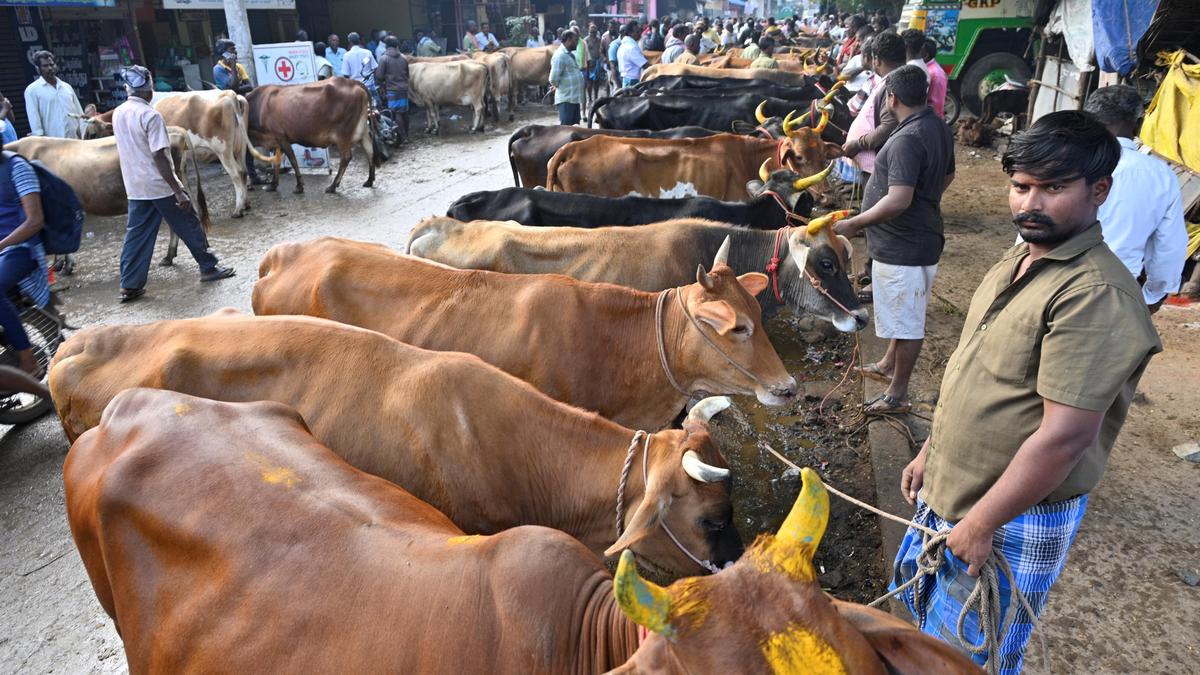
Finance Minister Nirmala Sitharaman unveiled a series of schemes in the February 1, 2026 Union Budget aimed at strengthening the fisheries and animal husbandry sectors. The budget focuses on value-chain development, entrepreneurship, and rural employment. Key proposals include integrated development of 500 reservoirs and Amrit Sarovars, strengthening the fisheries value chain in coastal areas, and supporting entrepreneurship in animal husbandry through credit-linked subsidy programs.
The budget allocates ₹2,761.80 crore to the fisheries sector and ₹6153.46 crore to the animal husbandry sector, representing a 21% increase over the previous year. The initiatives aim to reduce post-harvest losses, improve price realization for fishers, enhance livestock productivity and health, and increase the availability of veterinary professionals.
Key Points:
- ₹2,761.80 crore allocated to the fisheries sector.
- Integrated development of 500 reservoirs and Amrit Sarovars proposed.
- Support for 200 start-ups in the fisheries sector.
- ₹6153.46 crore allocated to the animal husbandry sector, a 21% increase.
- Focus on improving animal health, infrastructure, and breed improvement programs.
- Plans to increase the availability of veterinary professionals to over 20,000.
- Credit-linked capital subsidy scheme for private veterinary and para-veterinary facilities.
- Tax deductions for cooperative societies supplying cattle feed and cottonseed.
Critical Analysis:
The timing of this budget announcement, with varying reactions across different regions and sectors (as evidenced by the related historical context showing dissatisfaction in West Bengal and concerns from Coimbatore industries), suggests a strategic effort by the central government to address rural economic development and employment generation ahead of potential elections or in response to previous economic shortcomings. The focus on fisheries and animal husbandry reflects a targeted approach towards sectors with high potential for growth and rural impact. The emphasis on value chain development and support for start-ups also indicates a forward-looking strategy aimed at modernizing and diversifying these sectors.
Key Takeaways:
- The 2026 Union Budget prioritizes the fisheries and animal husbandry sectors, signaling their importance in the government’s economic agenda.
- The budget aims to boost rural employment and entrepreneurship through targeted schemes and financial support.
- The increased allocation to these sectors reflects a commitment to improving productivity, infrastructure, and value chain integration.
- The initiative for inland fisheries development via Amrit Sarovars highlights a focus on water conservation and livelihood improvement.
- The plan to increase veterinary professionals and support private veterinary facilities aims to strengthen animal health and livestock output.
Impact Analysis:
The Union Budget 2026’s focus on fisheries and animal husbandry has potentially significant long-term implications for the Indian economy. Increased investment and support in these sectors could lead to:
- Enhanced Rural Economy: Stimulation of rural economies through increased employment opportunities and entrepreneurial activities.
- Improved Food Security: Better management and productivity in animal husbandry and fisheries could boost food security and nutrition.
- Increased Export Potential: Developing robust value chains can make Indian fisheries and animal products more competitive in the global market.
- Sustainable Resource Management: The Amrit Sarovar initiative, when properly implemented, promotes water conservation and sustainable fisheries development.
- Strengthened Livestock Health: The measures to improve veterinary services and breed programs can enhance the health and productivity of India’s livestock, thus benefiting farmers.
 First Piper