
Sun Feb 01 15:45:09 UTC 2026: ### Headline: Transient Tiger from Maharashtra Kills Cattle, Prompts School Closures in Andhra Pradesh
The Story:
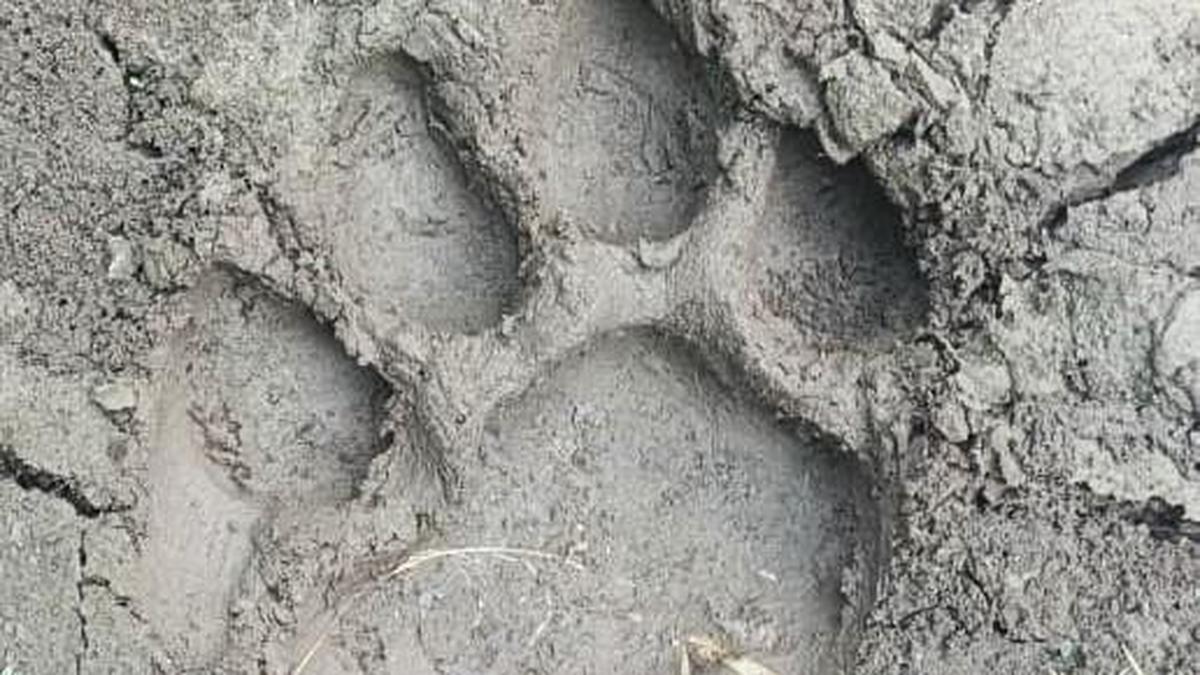
A male tiger, believed to have originated from the Tadoba-Andhari Tiger Reserve (TATR) in Maharashtra, is causing concern in the East Godavari district of Andhra Pradesh. The tiger reportedly killed three cattle in Torredu village on Sunday, February 1, 2026. Forest officials have been tracking its movements since it crossed the Pranahitha River in Telangana and entered Eluru district before eventually swimming the Godavari River via the Polavaram irrigation project. The situation has prompted the Forest Department to recommend school closures and a halt to agricultural activities in the affected areas.
Key Points:
- A male tiger, believed to be from Tadoba-Andhari Tiger Reserve (TATR) in Maharashtra, is responsible for the death of three cattle in Torredu village, Rajamahendravaram, on February 1, 2026.
- The tiger crossed the Pranahitha River in Telangana and the Godavari River into Andhra Pradesh.
- The tiger was last sighted on the western bank of the Godavari River, before entering Papikonda National Park on January 29.
- Forest personnel sighted the tiger within 150 meters of the kill site on Sunday, February 1.
- The Forest Department has recommended a two-day school holiday and a halt to agricultural activities.
- Experts from the Indira Gandhi Zoological Park (IGZP – Visakhapatnam) and Wildlife Institute of India (WII) are being brought in to tranquilize the tiger.
- Dairy farmers will be compensated for the loss of cattle.
Critical Analysis:
The movement of tigers outside of established reserves and across state lines underscores the increasing pressure on tiger habitats. The mention of the Polavaram irrigation project suggests habitat fragmentation might be forcing these animals to seek prey in human-populated areas. The crossing of major rivers like Pranahitha and Godavari also shows tigers adapting to their changing environments, even navigating large construction projects.
Key Takeaways:
- Habitat Fragmentation: The incident highlights the challenges of maintaining viable wildlife corridors in the face of development and expanding human settlements.
- Human-Wildlife Conflict: Increased interaction between tigers and humans poses a threat to both livestock and potentially human lives, necessitating proactive management strategies.
- Inter-State Coordination: Effective wildlife management requires collaboration between neighboring states like Maharashtra, Telangana, and Andhra Pradesh.
- Conservation Imperatives: The situation underscores the need for increased investment in tiger conservation efforts, including habitat protection and mitigation of human-wildlife conflict.
- The resilience of the Tiger: Undeterred by natural and manmade objects it continues to roam in search of a habitat.
Impact Analysis:
This incident could lead to several long-term consequences:
- Increased Public Fear: Continued tiger sightings and attacks on livestock could create fear and animosity among local communities, potentially undermining conservation efforts.
- Demand for Relocation: Pressure might mount to relocate the tiger, potentially impacting the tiger population dynamics in the area where it is moved to.
- Reassessment of Conservation Strategies: Wildlife authorities may need to re-evaluate their conservation strategies, focusing on habitat restoration, improved wildlife corridors, and enhanced community engagement.
- Economic Impact: The loss of livestock and disruption of agricultural activities could have a negative economic impact on local communities, further exacerbating tensions.
- Increased Monitoring: More sophisticated tiger monitoring and tracking are most likely in this area.
 First Piper