
Mon Feb 02 07:39:36 UTC 2026: # Pune Car Accident Case: Supreme Court Grants Bail, Blames Parents
The Story:
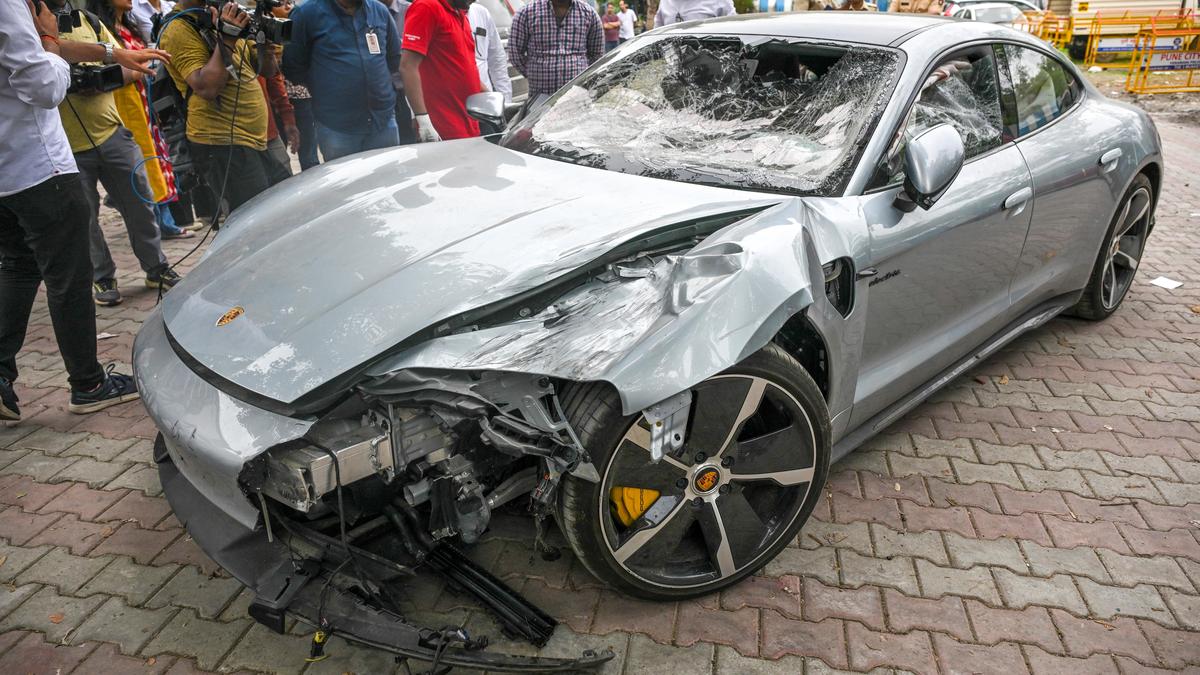
The Supreme Court on Monday, February 2, 2026, granted bail to three individuals accused in the 2024 Pune luxury car accident case that resulted in the deaths of two IT professionals. The court, comprised of Justices B.V. Nagarathna and Ujjal Bhuyan, emphasized the role of parents in such incidents involving juvenile offenders, stating that parents are failing to adequately control their children. The case involves a 17-year-old boy allegedly driving under the influence of alcohol, and the subsequent attempts to manipulate evidence through blood sample swapping.
Key Points:
- The Supreme Court granted bail to Amar Santish Gaikwad, Aditya Avinash Sood, and Ashish Satish Mittal, accused in the 2024 Pune car accident case.
- The court specifically blamed parents for failing to control their children, contributing to incidents of substance abuse and reckless behavior.
- Amar Santish Gaikwad is accused of acting as a middleman, paying ₹3 lakh to a hospital employee to swap the juvenile’s blood sample.
- Aditya Avinash Sood and Ashish Satish Mittal were arrested on August 19, 2025, for allegedly providing their blood samples to be used in place of the minors.
- The initial lenient bail conditions granted by the Juvenile Justice Board (JJB) to the minor accused, which included writing a 300-word essay on road safety, sparked nationwide outrage.
- The juvenile was later sent to an observation home, but the High Court ordered his release in June 2024.
Key Takeaways:
- The Supreme Court’s decision highlights the ongoing legal complexities and public scrutiny surrounding cases involving juvenile offenders and fatal accidents.
- The court’s emphasis on parental responsibility underscores the societal expectation for parents to actively monitor and guide their children’s behavior.
- The alleged attempts to tamper with evidence reveal the extent to which individuals are willing to go to protect themselves or others involved in such incidents.
- The fact that the supreme court had to intervene indicates failures in the lower courts.
Impact Analysis:
The Supreme Court’s strong stance on parental accountability could lead to stricter legal interpretations and potentially harsher penalties for parents in similar future cases. This case will likely fuel ongoing debates regarding juvenile justice, parental responsibility, and the consequences of reckless behavior. This case may also lead to stricter laws about underage drinking and driving.
 First Piper