
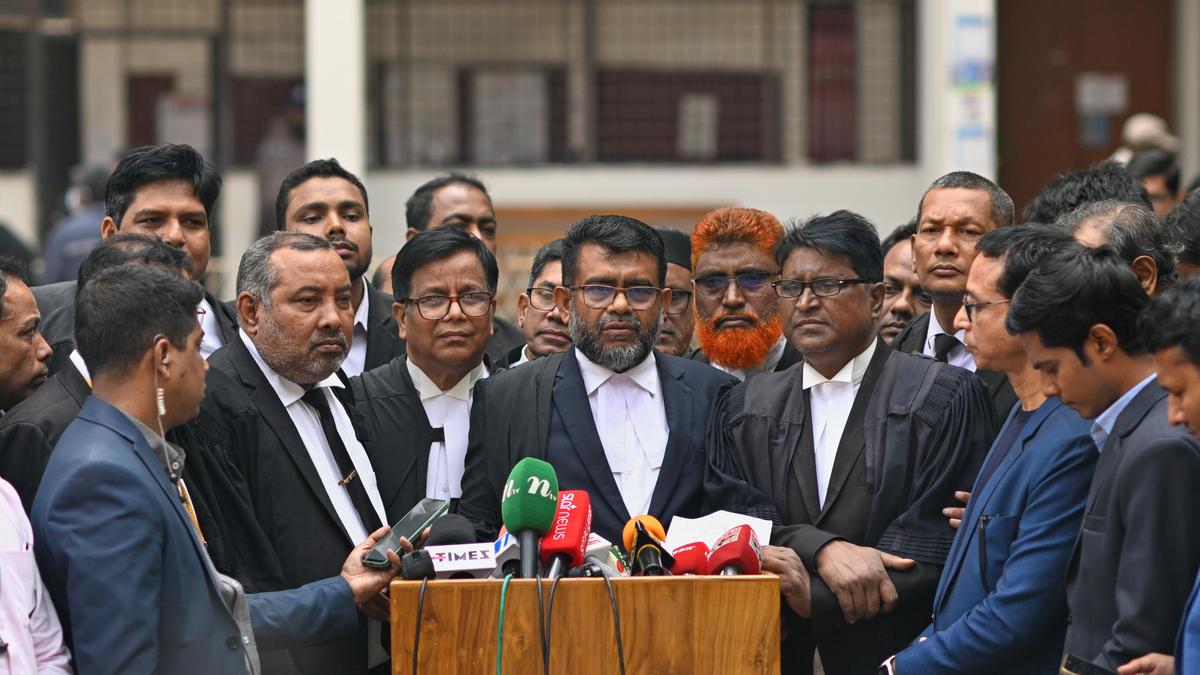
Mon Feb 02 09:13:15 UTC 2026: # Sheikh Hasina Sentenced to 10 Years in Jail in Bangladesh Corruption Case
The Story:
Former Bangladeshi Prime Minister Sheikh Hasina has been sentenced to 10 years in prison by a Dhaka court on February 2, 2026, in two separate corruption cases. The charges relate to alleged irregularities in the allocation of land within a government housing project during her tenure. The court also sentenced several of her relatives, including her nephew Radwan Mujib Siddiq and nieces Tulip Rizwana Siddiq and Azmina Siddiq, to varying prison terms. Ms. Hasina, who has been residing in India since fleeing Bangladesh on August 5, 2025, was declared a fugitive prior to the verdict.
Key Points:
- Sheikh Hasina sentenced to 10 years imprisonment (5 years per case).
- The cases involve alleged corruption in land allocation under the Rajuk New Town Project in Purbachol.
- Radwan Mujib Siddiq and Azmina Siddiq each sentenced to 7 years.
- Tulip Rizwana Siddiq sentenced to 4 years.
- Mohammad Khurshid Alam, a Rajuk member, sentenced to 2 years.
- All convicted individuals were fined Tk 1 lakh each, with an additional 6 months imprisonment for default of payment.
- Ms. Hasina fled Bangladesh on August 5, 2025, and was declared a fugitive.
- The Anti-Corruption Commission (ACC) filed the cases.
Critical Analysis:
The recent sentencing of Sheikh Hasina appears to be part of a broader pattern of legal actions against individuals involved in various crimes in Bangladesh and India. The historical context shows multiple cases of individuals being sentenced for sexual abuse, bribery, and POCSO violations in the days leading up to Hasina’s sentencing. This potentially indicates a concerted effort by the respective judiciaries to address corruption and other serious offenses.
Key Takeaways:
- The sentencing of a former Prime Minister highlights ongoing efforts to combat corruption within Bangladesh.
- The involvement of family members in the corruption scandal underscores the potential scope of the alleged malfeasance.
- Ms. Hasina’s flight from Bangladesh prior to the verdict suggests an anticipation of an unfavorable legal outcome.
- The timing of the sentencing, in conjunction with other sentencings, could indicate a push for judicial accountability.
- The verdict will likely further polarize the political landscape in Bangladesh.
Impact Analysis:
The conviction of Sheikh Hasina has significant long-term implications for Bangladeshi politics. Her political future is now uncertain, and the Awami League, the party she leads, faces a leadership vacuum. The verdict may embolden the opposition and potentially lead to increased political instability within the country. The case could also influence international perceptions of governance and the rule of law in Bangladesh. Further, it may impact diplomatic relations, particularly with India, where Ms. Hasina is currently residing.
 First Piper