
Sun Feb 01 02:28:38 UTC 2026: ### Headline: Tensions High as Iran and U.S. Engage in Talks Amidst Military Posturing
The Story:
On January 31, 2026, amidst rising tensions spurred by deadly crackdowns on anti-government protests in Iran, the U.S. and Iran confirmed they are engaging in negotiations. This development comes as the U.S. deployed warships led by the USS Abraham Lincoln near Iranian shores and Iran conducted live-fire naval exercises in the Strait of Hormuz. While both sides acknowledge the potential for a broader conflict that neither desires, Iran has warned against any attack, threatening missile strikes on U.S. bases and allies, including Israel. Qatar is attempting to de-escalate tensions, while Russia is seeking to play a mediating role.
Key Points:
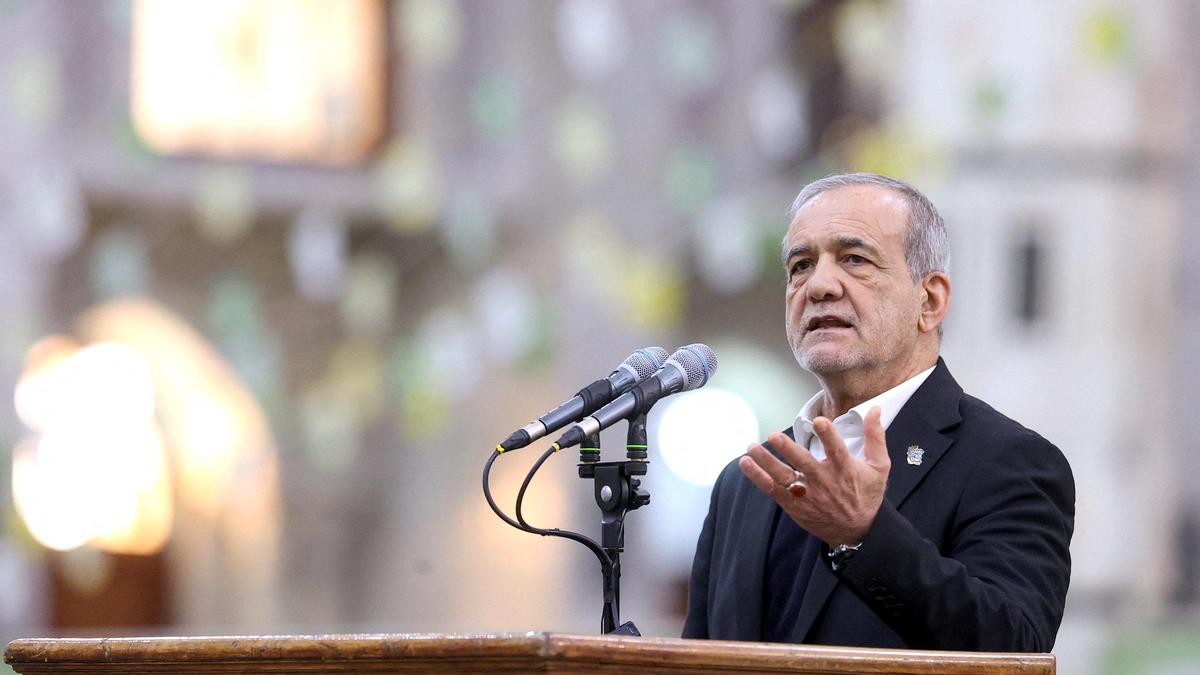
* Iranian President Masoud Pezeshkian stated Iran doesn’t seek war with the U.S.
* U.S. President Donald Trump confirmed ongoing dialogue with Iran.
* Ali Larijani, head of Iran’s Supreme National Security Council, said negotiations are progressing.
* The U.S. has deployed a naval flotilla near Iran.
* Iran’s army chief, Amir Hatami, warned the U.S. and Israel against any attack.
* Nationwide protests in Iran have resulted in thousands of deaths, with conflicting reports on the exact toll.
* The EU followed the U.S. in designating the IRGC a terrorist organization on January 29, 2026, escalating tensions.
Key Takeaways:
* The situation remains highly volatile, with the potential for miscalculation or escalation despite apparent diplomatic efforts.
* The U.S. military presence is a clear signal of its willingness to intervene.
* The Iranian government faces internal pressure due to widespread protests and economic grievances.
* Regional actors like Qatar and Russia are attempting to mediate.
* The designation of the IRGC as a terrorist organization adds another layer of complexity and antagonism.
 First Piper