
Mon Feb 02 02:40:00 UTC 2026: ### Gold and Silver ETFs Plunge Amid Profit Booking and Global Economic Shifts
The Story:
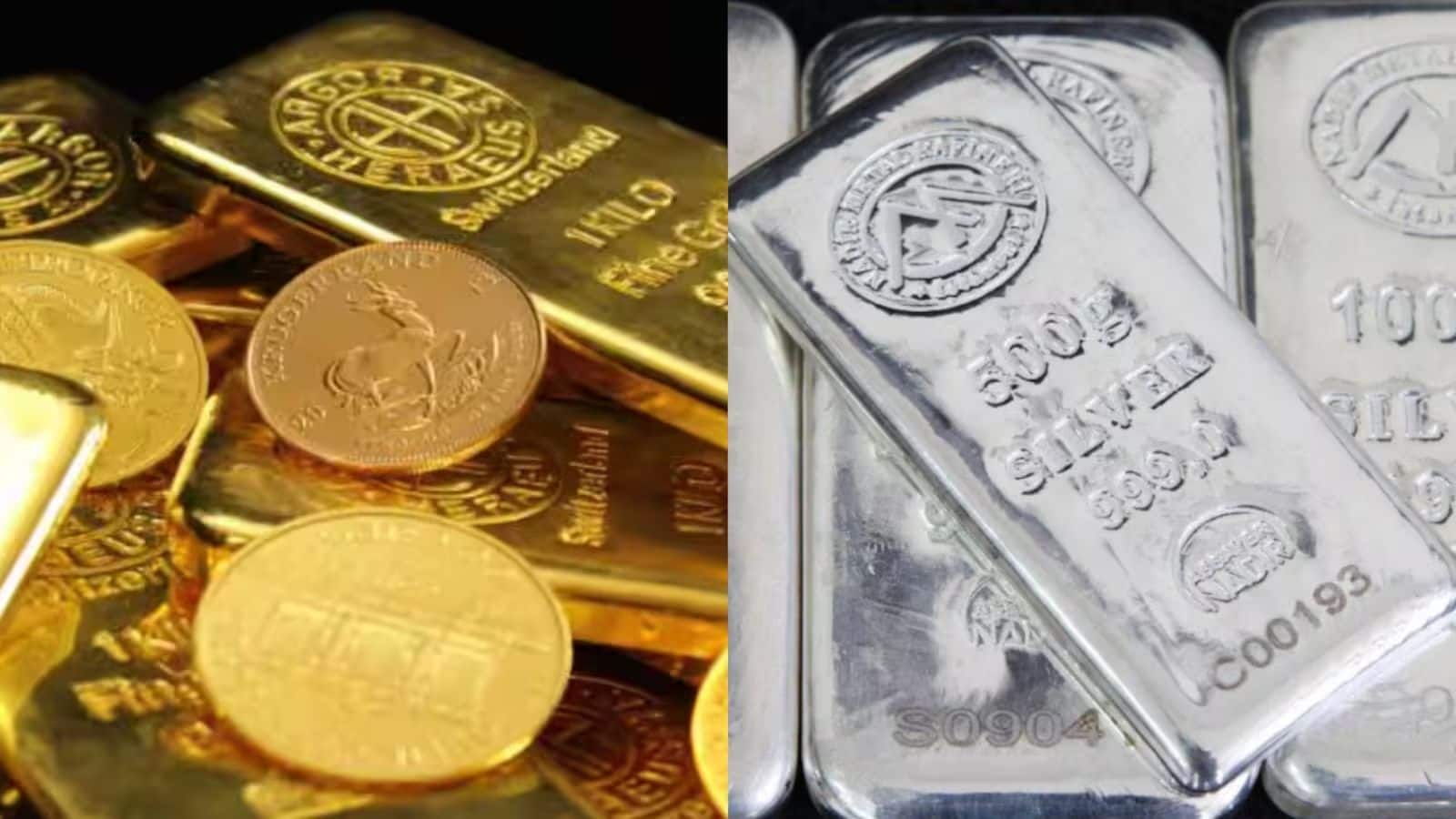
Gold and silver exchange-traded funds (ETFs) experienced a significant downturn on February 2, 2026, with several silver ETFs plummeting by 18% to 20%. This sharp decline coincides with falling gold and silver prices and heavy selling pressure. The slide occurs against a backdrop of existing pressures on the stock market, with the India Volatility Index (VIX) surging to 15.55. The expert are attributing the crash to profit-booking and a strengthening dollar.
Key Points:
- Gold Futures Decline: April gold futures on the MCX fell by about 3% to ₹1,43,335 per 10 grams, a significant drop from its all-time high of ₹1,93,096, experiencing a nearly 26% or ₹50,000 fall.
- Silver Futures Plunge: March silver futures crashed by 6% to ₹2,49,713 per kilogram, a substantial decrease from its recent high of ₹4,20,048, down approximately 41% or ₹1,70,335.
- ETF Rout: Edelweiss Silver ETF and Axis Silver ETF, among others, hit lower circuits with nearly 20% losses. Gold ETFs also faced significant corrections.
- Market Factors: Experts point to profit-taking after recent surges, a stronger dollar, and concerns over potential hawkish monetary policy under a new Federal Reserve Chairman, Kevin Warsh, as reasons for the decline.
- Margin Hike: CME Group’s decision to increase margin requirements for COMEX gold and silver futures further accelerated the sell-off.
Critical Analysis:
The historical context reveals a recent surge in gold and silver ETFs (February 1, 2026) following sell-offs in other asset classes such as Bitcoin and Solana due to various factors like ETF outflows and news from the Fed (January 31, 2026). This suggests a possible rotation of investment into precious metals, now reversing as profit-taking ensues and alternative assets potentially stabilize. The increased margin requirements by CME Group amplify the downward pressure.
Key Takeaways:
- The gold and silver market correction is likely a combination of profit-taking, macroeconomic factors (dollar strength, potential policy changes), and regulatory adjustments (margin hikes).
- Analysts view the drop as a cooling-off period after an overbought market, maintaining a structurally strong long-term outlook for precious metals due to central bank buying, silver supply deficits, and geopolitical tensions.
- Investors are advised to reduce allocations to precious metals and rebalance their portfolios according to long-term strategies.
- The risk-reward ratio may favor gold over silver currently, according to analysts.
- “Flash crash” occurrences are normal in the markets, and long-term investors should avoid panic.
Impact Analysis:
The gold and silver market’s volatility is a reminder of the interconnectedness of asset classes and the impact of global economic policies. Investors are likely to exhibit heightened caution in the short term. Continued monitoring of economic indicators, Fed policy updates, and geopolitical events is crucial for informed investment decisions. The rise and fall of prices in these sectors can impact the import and export revenue as well as individual investment portfolios.
 First Piper