
Mon Feb 02 14:17:46 UTC 2026: # Kerala’s Food Safety Laboratory Remains Incomplete Five Years After Announcement
The Story
Kerala’s first Food Analytical and Research Laboratory in Kannur remains non-operational five years after its announcement, despite an inauguration by then Health Minister K. K. Shailaja on October 24, 2020, and a foundation stone laid by Chief Minister Pinarayi Vijayan on February 28, 2019. The laboratory, intended to serve the Kannur, Wayanad, and Kasaragod districts, lacks a permanent building, adequate facilities, and sufficient staff, hindering its ability to obtain NABL accreditation and conduct necessary food safety testing.
The delay has forced the Food Safety department to operate from a rented facility with limited resources, redeploying staff from the Kozhikode Regional Analytical Laboratory, which has negatively impacted the latter’s functionality. Despite generating revenue from drinking water testing, the laboratory has not received the necessary government support to establish permanent positions or complete the construction, raising concerns about the government’s commitment to food safety in the region.
Key Points
- The laboratory’s foundation stone was laid on February 28, 2019, and it was inaugurated on October 24, 2020, but remains non-operational.
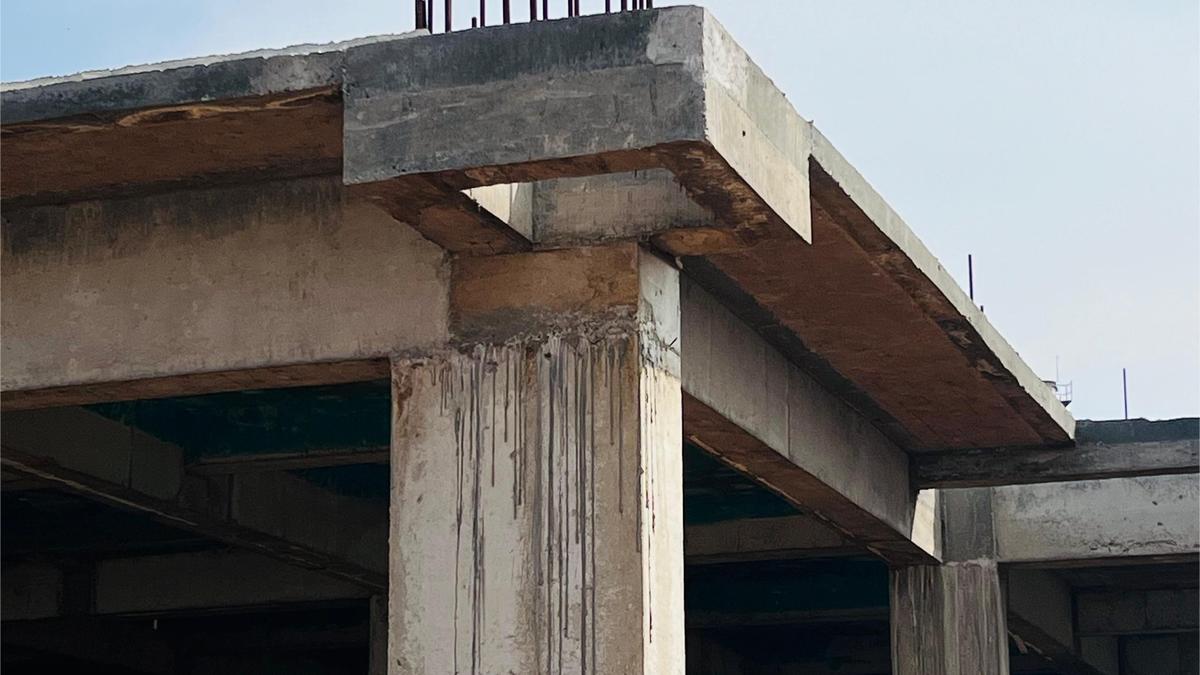
- Construction of the permanent building is incomplete, with only the ground floor finished after more than five years.
- The laboratory operates from a rented facility with limited infrastructure and staff.
- Technical staff have been redeployed from the Kozhikode Regional Analytical Laboratory, adversely affecting its operations.
- The laboratory has not obtained NABL accreditation due to insufficient resources and manpower.
- The Kannur laboratory earned over ₹1 lakh per month from drinking water testing in 2025.
- The project was sanctioned following intervention by Ms. Shailaja, intended to be the state’s first analytical lab with research facilities.
- K. Sujayan, Assistant Commissioner, Food Safety department, Kannur, claimed that the ground floor construction had been completed, and that work was progressing in phases as funds were being allotted in different phases
Key Takeaways
- Significant delays in infrastructure projects can severely hamper essential public services, such as food safety.
- Lack of coordination and funding can undermine even well-intentioned government initiatives.
- Redeployment of staff to address immediate needs can negatively impact other crucial departments and facilities.
- The inability to obtain NABL accreditation compromises the reliability and acceptance of the laboratory’s findings.
- Even a revenue-generating facility can suffer from neglect if political will and resource allocation are lacking.
 First Piper