
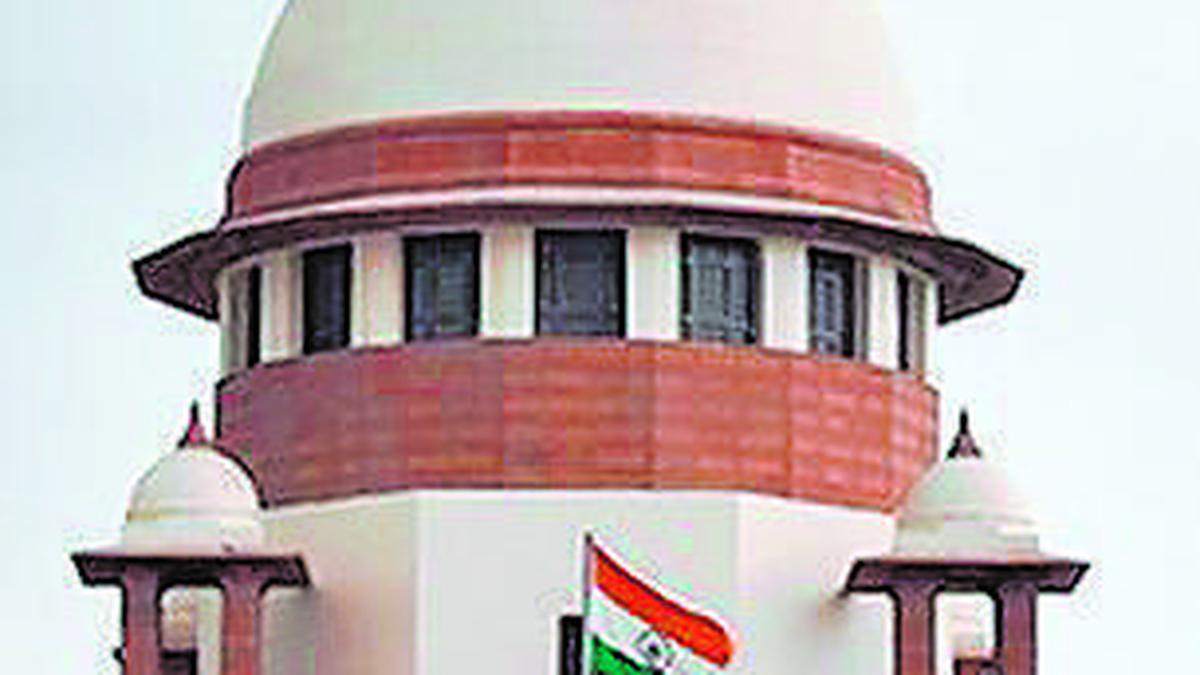
Mon Feb 02 10:59:42 UTC 2026: ### Headline: Domestic Workers’ Rights Union Urges Supreme Court Reconsideration After Petition Dismissal
The Story
The Domestic Workers’ Rights’ Union (DWRU) has publicly appealed to the Supreme Court of India to reconsider its recent dismissal of a writ petition seeking minimum wages and welfare measures for domestic workers. At a press meet in Bengaluru on February 2, 2026, domestic workers and union leaders expressed their deep disappointment and concern over the court’s decision. They argued that the dismissal disregarded decades of organizing and struggle without adequately addressing the evidence or constitutional implications of excluding domestic workers from labor protections.
The DWRU’s open letter criticized Chief Justice Surya Kant’s remarks during the January 29, 2026, hearing, where he reportedly linked trade unions to hindering industrial growth and expressed concerns about widespread litigation if minimum wages were enforced for domestic workers. Union leaders view these statements as undermining their constitutional rights and prioritizing employer convenience over workers’ rights. They vow to continue their fight for justice and recognition as rights-bearing citizens.
Key Points
- The Supreme Court dismissed a writ petition seeking minimum wages and welfare measures for domestic workers.
- The Domestic Workers’ Rights’ Union (DWRU) is urging the apex court to reconsider its decision.
- Chief Justice Surya Kant expressed concerns about the impact of minimum wages on industrial growth and potential litigation.
- DWRU argues the court’s decision ignores constitutional rights, equality, dignity, and non-discrimination.
- The union has vowed to continue its fight for justice through organizing and resistance.
Critical Analysis
The dismissal of the petition and the Chief Justice’s rationale, combined with the news of stranded migrant workers in Dubai, highlights a potential tension between economic growth objectives and the protection of vulnerable workers’ rights within the Indian context. There appears to be a prevailing concern within the judiciary regarding the potential negative impacts of labor regulations on economic progress, a viewpoint directly challenged by the DWRU’s emphasis on constitutional rights and social justice.
Key Takeaways
- The Supreme Court’s decision reflects a potential reluctance to intervene in labor issues that could impact economic growth.
- The DWRU sees the dismissal as a setback in their long-standing fight for basic labor protections for domestic workers.
- The event has sparked a renewed commitment by the union to organize and resist perceived injustices.
- The issue raises fundamental questions about balancing economic priorities with social welfare and constitutional rights.
Impact Analysis
The outcome of this case could set a precedent for future labor rights cases in India, particularly those involving marginalized sectors like domestic work. The DWRU’s continued resistance and advocacy will likely put pressure on the government and judiciary to address the specific vulnerabilities and lack of legal protections faced by domestic workers. Furthermore, it is likely to energize grassroots movements advocating for labor rights, potentially leading to broader social and political activism.
 First Piper