
Mon Feb 02 13:20:00 UTC 2026: ### China Deplores Dalai Lama’s Grammy Win, Accuses Him of Anti-China Activities
The Story:
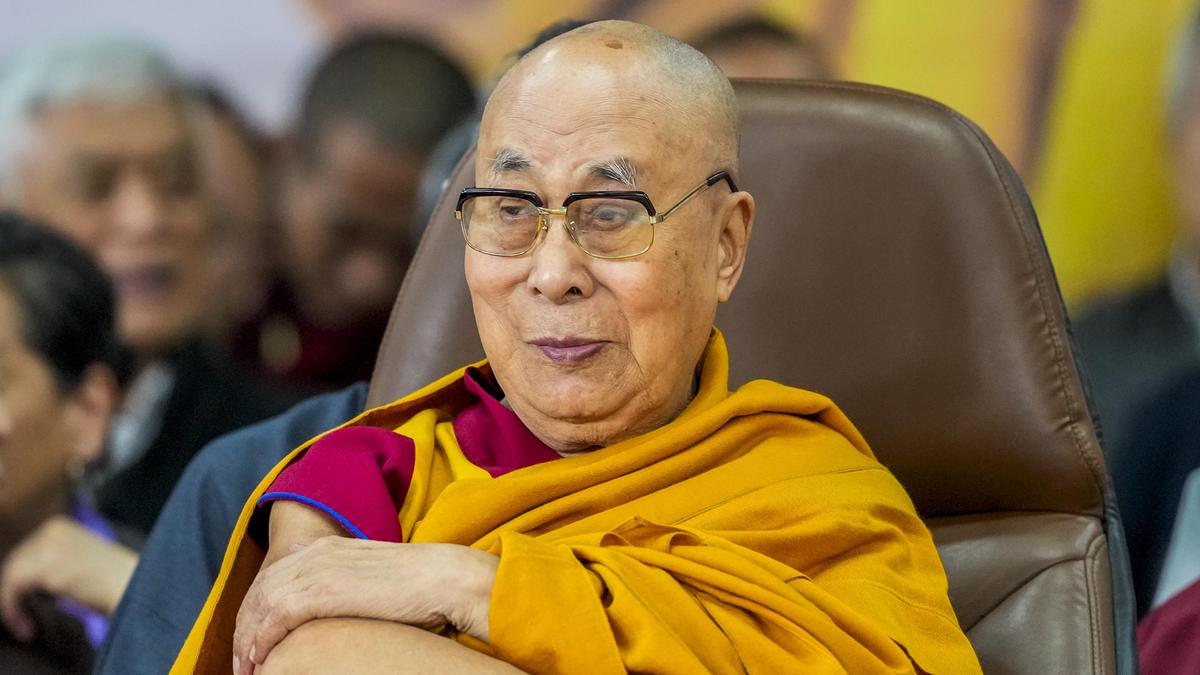
China has officially condemned the Grammy Award awarded to the Dalai Lama, Tenzin Gyatso, on Sunday, February 1, 2026. A spokesperson for the Chinese Foreign Ministry, Lin Jian, stated on Monday, February 2, 2026, that China “firmly opposes” the Dalai Lama using the award to engage in “anti-China activities.” The Dalai Lama won his first Grammy in the category of best audio book, narration, and storytelling recording for his spoken-word album, Meditations: The Reflections of His Holiness the Dalai Lama.
The Chinese Foreign Ministry reiterated its stance that the Dalai Lama is not merely a religious figure but a “political exile committed to anti-Chinese separatist activity under the disguise of religion.” The spokesperson asserted that Beijing opposes using the award as a tool for anti-China activities. The Dalai Lama, who has been living in exile in Dharamsala since 1959, was previously awarded the Nobel Peace Prize in 1989 for his nonviolent efforts to liberate Tibet. In response to winning the Grammy, the Dalai Lama expressed gratitude and emphasized the importance of peace, compassion, and environmental care.
Key Points:
- The Dalai Lama won a Grammy Award for his audiobook, Meditations: The Reflections of His Holiness the Dalai Lama.
- China “firmly opposes” the award, accusing the Dalai Lama of using it for “anti-China activities.”
- Chinese Foreign Ministry spokesperson Lin Jian reiterated China’s view that the Dalai Lama is a political exile engaged in separatist activities under the guise of religion.
- The Dalai Lama stated he views the award as a recognition of shared universal responsibility and an opportunity to spread messages of peace and compassion.
- The Dalai Lama has been living in exile in Dharamsala since 1959 and was awarded the Nobel Peace Prize in 1989.
Critical Analysis:
The event falls in line with the established pattern of China rejecting the legitimacy of the Dalai Lama. Given China’s historical perspective on Tibet’s sovereignty, any international recognition of the Dalai Lama, regardless of its nature (political, religious, or cultural), is viewed as a challenge to its authority and an endorsement of separatist movements.
Key Takeaways:
- China’s reaction underscores its unwavering position regarding the Dalai Lama and Tibet.
- The Grammy Award has inadvertently become another point of contention in the already strained relationship between China and supporters of Tibetan autonomy.
- The Dalai Lama continues to leverage international platforms to promote his message of peace and compassion, despite Chinese opposition.
- The Chinese government uses every available opportunity to denounce and discredit the Dalai Lama to isolate him on the global stage.
- The international community is divided on how to address China’s concerns regarding the Dalai Lama, balancing diplomatic relations with human rights considerations.
Impact Analysis:
The incident is unlikely to significantly alter the existing geopolitical dynamics but will further entrench the opposing views. China will probably continue its efforts to delegitimize the Dalai Lama, while his supporters will persist in seeking international recognition for his work. In the long term, this event could solidify the narrative of Tibetan autonomy among certain segments of the global population, making it more difficult for China to achieve complete international acceptance of its position on Tibet.
 First Piper