
Mon Feb 02 03:59:33 UTC 2026: # Union Budget 2026 Aims to Revitalize India’s Coastal and Inland Shipping
The Story
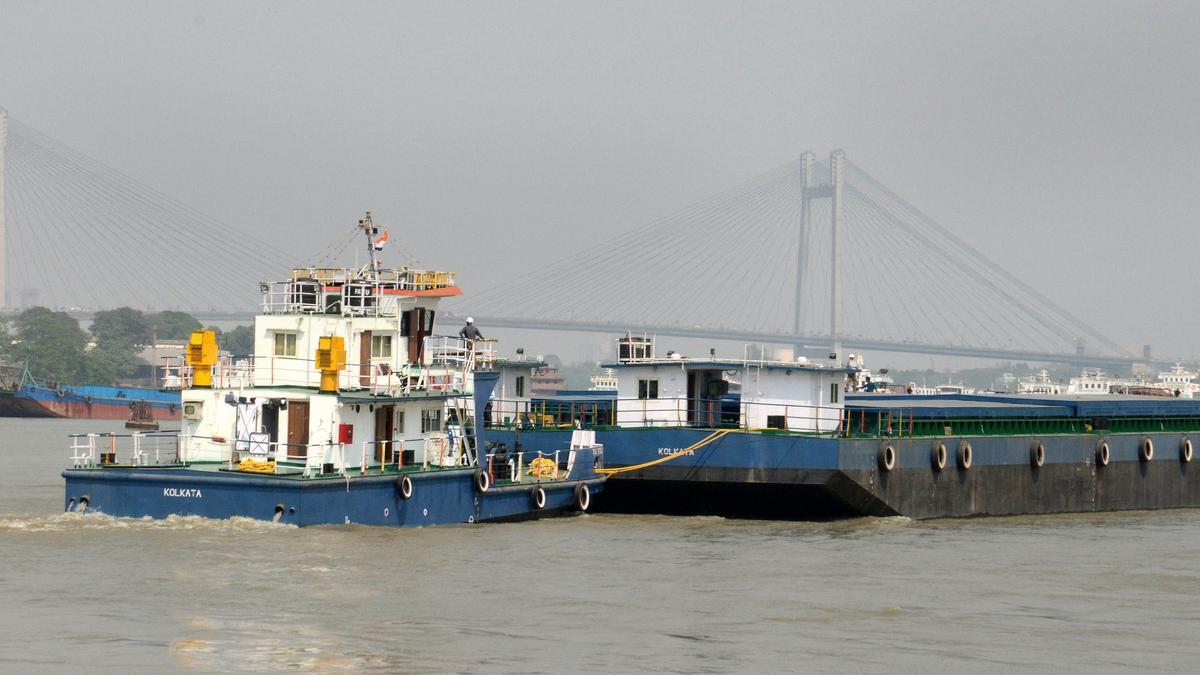
The Union Budget 2026 includes a series of proposals designed to significantly boost coastal and inland shipping in India. Recognizing the strategic importance of indigenous shipping highlighted during the COVID-19 pandemic, the government is committing substantial investment to modernize infrastructure, support domestic container manufacturing, and reduce the reliance on road and rail transport for cargo. Key initiatives include a large allocation towards the Shipping Corporation of India (SCI), the establishment of new freight corridors and national waterways, and tax incentives for inland and coastal shipping companies.
Key Points
- The budget proposes ₹10,000 crore to support container manufacturing in India.
- A prior comprehensive package of ₹69,725 crore, approved in September 2025, aims to rejuvenate indigenous shipping, with ₹1,700 crore allocated for 2026-27.
- The government aims to increase the share of inland and coastal shipping in total cargo carried from 6% to 12%.
- The presumptive tonnage tax scheme will be extended to inland and coastal ship companies.
- New Dedicated Freight Corridors connecting Dakuni to Surat will be established, along with the operationalization of 20 new national waterways (NW) over the next five years.
- BIS standards are now in place for specialized steel needed for seaworthy containers.
Critical Analysis
The government’s push for inland and coastal shipping is a strategic move to address logistical bottlenecks and promote economic growth. The focus on container manufacturing signals a desire to reduce reliance on foreign suppliers, particularly China, and establish a self-sufficient ecosystem. This is coupled with addressing previous cost disadvantages by implementing BIS standards for container steel manufacturing. The development of inland waterways is also a calculated effort to improve market access for farmers and small businesses, offering a potentially cheaper mode of transportation.
Key Takeaways
- Strategic Shift: The budget demonstrates a clear shift towards prioritizing coastal and inland shipping as vital components of India’s transportation infrastructure.
- Economic Growth Driver: The investment in shipping is expected to decongest roads and rail, lower transportation costs, and improve market access, thereby boosting economic activity.
- Self-Reliance: The emphasis on domestic container manufacturing aims to reduce dependence on foreign suppliers and enhance India’s manufacturing capabilities.
- Infrastructure Development: The operationalization of new freight corridors and national waterways is crucial for improving connectivity and promoting trade.
- Tax Incentives: The presumptive tonnage tax scheme will make the inland and coastal shipping sectors fiscally more attractive.
Impact Analysis
The long-term impact of these initiatives could be substantial. The increased efficiency and reduced costs associated with inland and coastal shipping could lead to a more competitive economy. The focus on domestic container manufacturing could stimulate the steel industry and create jobs. The development of new national waterways could unlock the economic potential of previously underserved regions. Successfully implementing these proposals would strengthen India’s position as a major player in global trade and logistics.
 First Piper