
Mon Feb 02 12:55:29 UTC 2026: ### Syrian Interim Government’s Actions Increase Violence and Instability, Warns YPJ Commander
The Story:
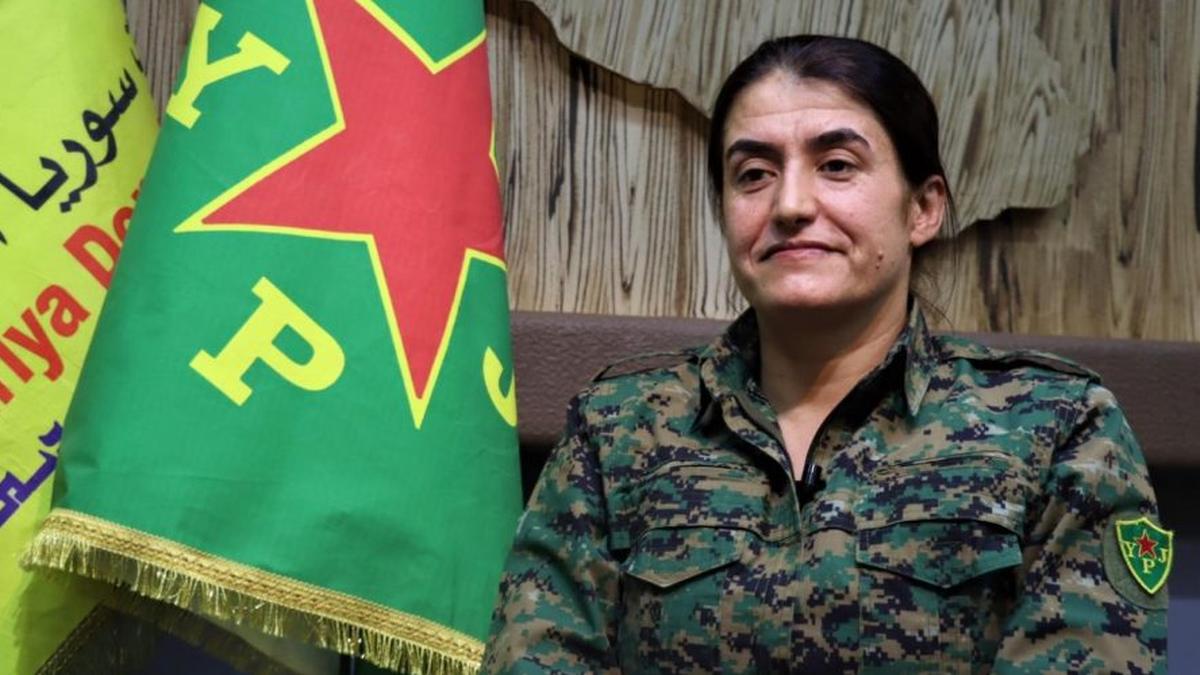
Rohilat Afrin, Commander-in-Chief of the Women’s Defence Units (YPJ) and member of the Syrian Democratic Forces (SDF) General Command, has criticized the Syrian Interim Government (SIG) for exacerbating violence and instability in Syria since taking power in December 2024. In an interview with The Hindu, Afrin details the ongoing clashes between Kurdish forces and Syrian government troops, highlighting attacks carried out not only by the SIG but also by Turkish-backed brigades, Hayat Tahrir al-Sham (HTS) fighters, and Islamic State (IS) fighters. The SDF, with the YPJ and YPG (People’s Protection Units) as its main constituents, had played a pivotal role in combating IS since 2014.
Afrin accuses the SIG and its allies of deliberately targeting the Democratic Autonomous Administration of North and East Syria (DAANES), particularly its women-led system. Despite a ceasefire agreement on January 30, 2026, the situation remains volatile, with Afrin warning of a potential resurgence of ISIS and the erosion of hard-won democratic achievements in the region.
Key Points:
- Fighting escalated in January 2026 between the SDF and Syrian government troops, with involvement from Turkish-backed groups, HTS, and ISIS.
- The SDF withdrew from areas like Tabqa, Raqqa, and Deir ez-Zor to protect the local population.
- A ceasefire agreement, including the integration of SDF brigades into the Syrian army, was reached on January 30, 2026, but its implementation remains uncertain.
- Afrin emphasizes the risk of systematic violence, potentially amounting to genocidal crimes, against the 3 million Kurdish people in North and East Syria.
- Afrin accuses the SIG of releasing around 2000 IS prisoners after an attack on a prison in the city of Shaddadi and claims that ISIS is receiving support from internal and external actors to reorganize and strengthen its ranks.
Critical Analysis:
The news reports hint at violence and instability across diverse regions like Jammu & Kashmir and Balochistan, and the commander in chief of the YPJ details the instability after the transfer of power. The pattern is of violence, be it from the new government, the external actors of Turkey, or the resurgence of ISIS in the region.
Key Takeaways:
- The Syrian Interim Government’s actions have failed to stabilize Syria, leading to increased violence and instability.
- The Kurdish-led DAANES model is under threat, particularly its women-led system, raising concerns about the future of democratic governance in the region.
- The potential resurgence of ISIS poses a significant security threat not only to Syria but also to West Asia and the international community.
- The ongoing conflict jeopardizes the prospects for a negotiated political settlement and a decentralized solution for Syria.
- The commander of the YPJ states that the interim government released 2000 IS prisoners.
 First Piper