
Fri Jan 16 17:07:59 UTC 2026: # India Confirms Diplomatic Engagement with Bangladesh Jamaat-e-Islami Amidst Election Concerns
The Story:
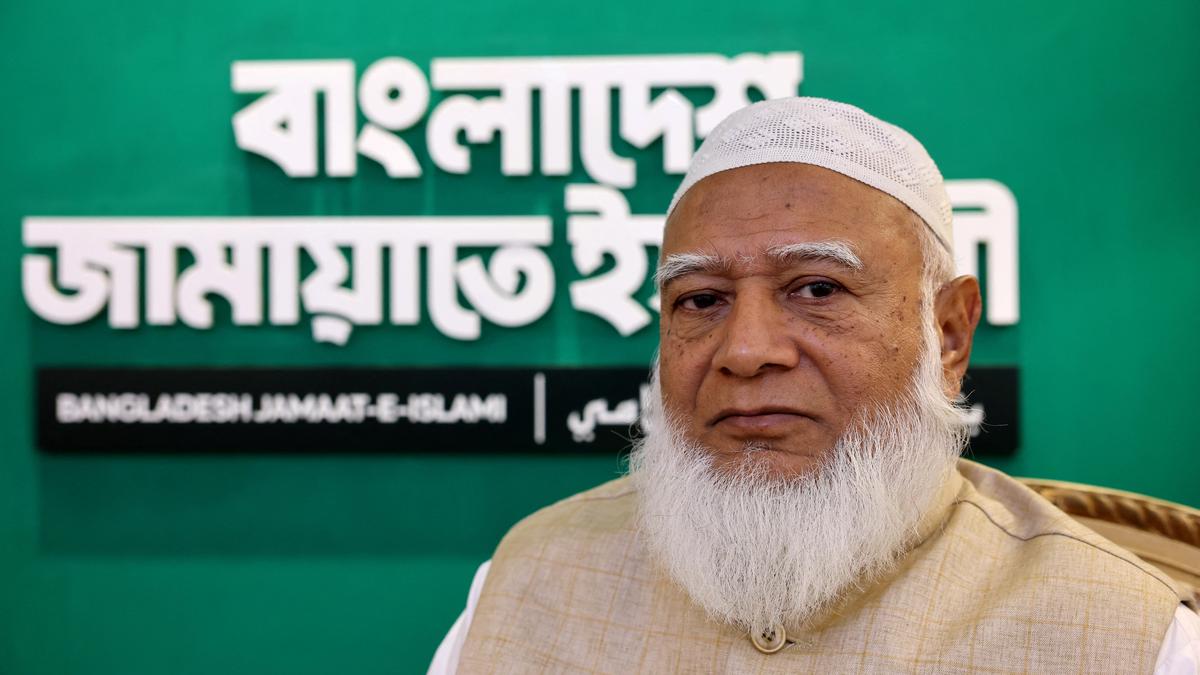
The Indian Ministry of External Affairs confirmed on January 16, 2026, that an Indian diplomat had met with Shafiqur Rahman, the ameer (president) of Bangladesh Jamaat-e-Islami. This confirmation comes after Rahman revealed the “secret” meeting in an interview with Reuters in December 2025. The Ministry stated that the interaction was part of the routine engagements conducted by Indian diplomats in Dhaka with various interlocutors. Rahman mentioned that the Indian diplomat requested the meeting to be kept confidential.
The disclosure and subsequent confirmation have occurred in the lead-up to Bangladesh’s February 12, 2025, election. Rahman stated that he has also met with officials from the United States, China, and other countries.
Key Points:
- Shafiqur Rahman, ameer of Bangladesh Jamaat-e-Islami, revealed a “secret” meeting with an Indian diplomat.
- The Indian Ministry of External Affairs confirmed the meeting on January 16, 2026, stating it was part of routine engagements.
- The meeting took place sometime in 2025, prior to Rahman’s December 2025 interview.
- Rahman stated that the Indian diplomat requested the meeting to be kept secret.
- The meeting took place before the February 12, 2025, Bangladeshi election.
Critical Analysis:
The timing of the meeting, coupled with the request for secrecy, raises questions about India’s strategic interests in Bangladesh. The meeting occurring before the election suggests India is seeking to understand the potential political landscape, including engaging with parties that may not be part of the current ruling coalition. Given Jamaat-e-Islami’s Islamist ideology, engaging with them could be a move to understand all potential power dynamics within Bangladesh.
Key Takeaways:
- India is actively engaging with various political entities in Bangladesh, including those outside the ruling government, prior to the election.
- The request for secrecy suggests sensitivity surrounding India’s engagement with Jamaat-e-Islami, potentially due to the party’s controversial history.
- India likely seeks to maintain stable and open communications with Bangladesh, as indicated by the spokesperson’s assertion about “improving mutual relations.”
- The revelation of the meeting by Shafiqur Rahman could have been a strategic move to increase the party’s visibility and legitimacy.
- The incident highlights the complex political dynamics within Bangladesh and the delicate balancing act that India must maintain in its foreign relations with the country.
Impact Analysis:
This event series can potentially impact India-Bangladesh relations. While India maintains that the meeting was routine, the revelation and subsequent media coverage could create mistrust within the Awami League, particularly if they perceive it as India hedging its bets or legitimizing Jamaat-e-Islami. Further, the information of the Hindu man killed with a shovel while trying to save an employee creates an environment of concern. A perception of instability can influence future cooperation on issues such as border security, trade, and water sharing. This highlights the importance of transparent communication to avoid misunderstandings. Depending on the outcome of the February 12, 2025 election, India’s relationship with the new Bangladeshi government could be affected, requiring a recalibration of diplomatic strategies.
 First Piper