
Tue Jan 13 18:05:58 UTC 2026: ### Scholar Warns Against Communalism’s Entrenchment, Calls for Secularism Revival in India
The Story:
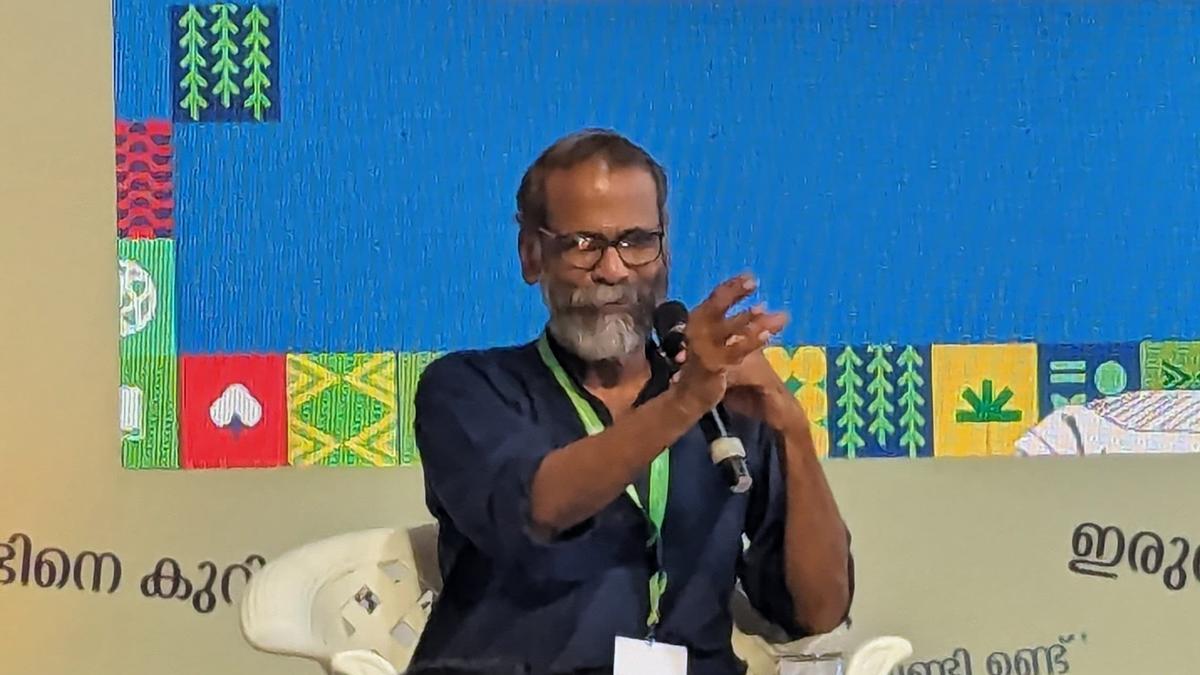
Writer and critic Sunil P. Ilayidom delivered a talk at the fourth edition of the Kerala Legislature International Book Festival (KLIBF) on Tuesday, January 13, 2026, addressing the need to reclaim Indian secularism. He argued that despite resistance against communalism from various fronts, it continues to deepen its roots in Indian society. Ilayidom critiqued the historical narratives that have contributed to communal division, tracing their origins back to 19th-century imperialist historians and their categorization of India’s past along religious lines, further exacerbated by nationalist appropriations.
Key Points:
- Sunil P. Ilayidom highlighted the persistence of communalism despite ongoing resistance.
- He criticized James Mill’s historical categorization of India into “Hindu India” and “Muslim India.”
- He noted how nationalist historians, in countering imperialist narratives, inadvertently adopted the idea of a “golden age” that was essentially Hindu.
- He stressed that India’s plurality, shaped by diverse cultural and religious influences, is critical to its national identity.
- The talk was delivered at the Kerala Legislature International Book Festival (KLIBF).
Critical Analysis:
The historical context shows a nation grappling with external pressures and internal divisions. The mention of an “Islamic NATO,” coupled with internal political squabbles and controversies over citizenship, paints a picture of a nation facing potential threats to its secular fabric. Ilayidom’s warnings about communalism taking deep root amidst resistance highlights the complexities of the situation.
Key Takeaways:
- The lecture serves as a warning about the enduring nature of communalism in India despite active resistance.
- There is a critique of the historical narratives that have contributed to communal division.
- The emphasis on India’s inherent plurality as a cornerstone of its national identity is vital.
- External pressures and geopolitical alignments seem to exacerbate internal tensions, making the call for secularism even more pertinent.
Impact Analysis:
The event and the scholar’s commentary highlight a growing concern about the future of secularism in India. If the trends continue, the nation risks further polarization and social fragmentation. The emphasis on rediscovering and reinforcing India’s pluralistic culture is crucial to preserving national harmony and mitigating potential conflicts in the long term. The discussion is vital to ensuring peaceful coexistence.
 First Piper