
Tue Jan 13 13:03:11 UTC 2026: # Iran Crackdown Claims 2,000 Lives Amidst US Tariff Threats and International Isolation
The Story:
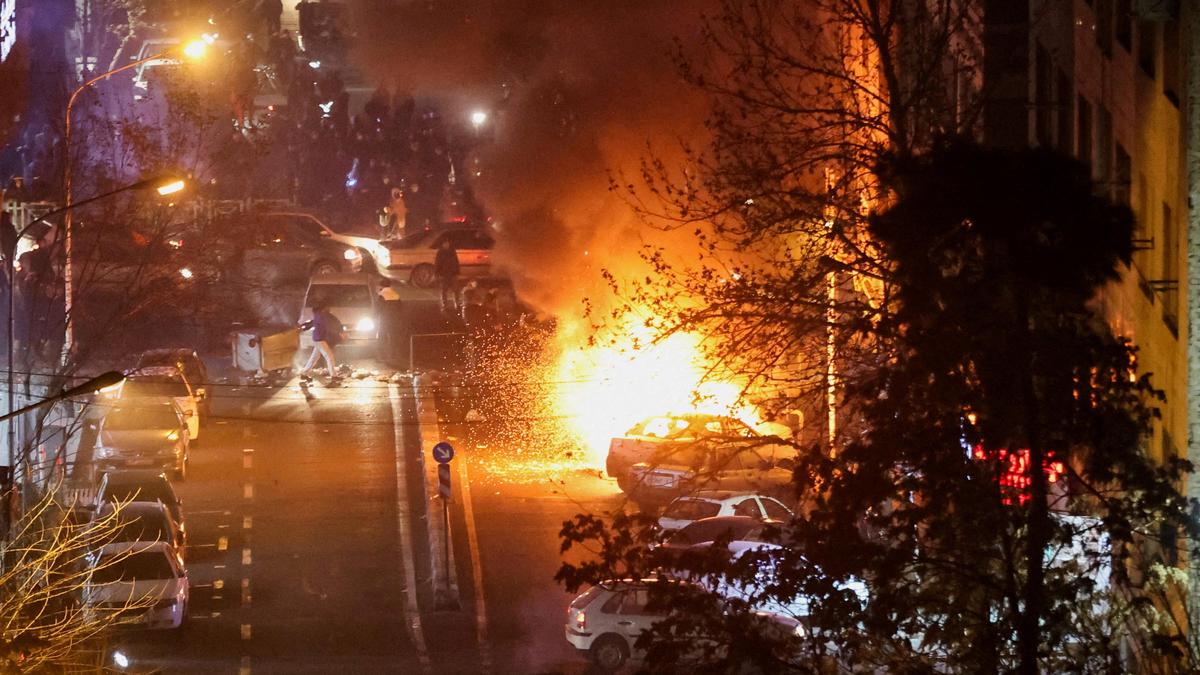
An Iranian official confirmed on Tuesday, January 13, 2026, that approximately 2,000 people have died in protests across Iran, marking the highest officially confirmed death toll. The unrest, attributed to “terrorist activities” by the unnamed official, encompasses both security personnel and civilians. The announcement coincides with the restoration of limited mobile phone communication, allowing some Iranians to contact news agencies and journalists, offering a glimpse into the heavily secured capital. The US President Donald Trump‘s planned 25% tariff on countries continuing to trade with Iran is anticipated to exacerbate economic pressures and further isolate the nation.
Key Points:
- Approximately 2,000 people, including security personnel and civilians, have died in protests in Iran.
- The Iranian government attributes the deaths and protests to “terrorist activities.”
- Mobile phone communications were partially restored, allowing some Iranians to contact the outside world.
- Internet access remains limited to government-approved local websites.
- President Trump is imposing a 25% tariff on countries trading with Iran, potentially impacting India’s rice exports.
- Analysts suggest that the Iranian government, despite the unrest, remains resilient due to its robust security apparatus and loyal constituency, but faces “great difficulty going forward”.
- Last year the U.S. and Israel bombed Iran’s nuclear facilities.
Critical Analysis:
The primary article, in conjunction with the historical context, paints a grim picture of escalating internal strife within Iran amidst growing international pressure. The earlier notification regarding an Iranian protester slated for execution, corroborates the official’s high death toll, suggesting a brutal suppression of dissent. Moreover, the timing of the tariff announcement from President Trump, and the Israeli and US bombing of Iranian nuclear facilities last year, serve to amplify the nation’s economic woes, further inciting protests and potentially radicalizing the population. The protests, which started on December 28, 2025, highlight the deep-seated economic discontent that is now directed against the clerical rule.
Key Takeaways:
- Iran faces a severe internal crisis manifested in widespread protests and a violent government crackdown.
- The US economic sanctions, embodied in the 25% tariff, are likely to intensify the economic hardships and further destabilize the region.
- Despite the unrest, the Iranian government appears to be holding firm, but its long-term stability is questionable.
- The interplay between internal dissent and external pressure creates a volatile and unpredictable situation.
- The crisis is not only domestic but also has significant geopolitical ramifications, particularly for countries like India that have economic ties with Iran.
Impact Analysis:
The unfolding events in Iran carry significant long-term implications:
- Regional Instability: Continued unrest and government repression could fuel further radicalization and potentially destabilize the broader Middle East.
- Geopolitical Realignment: The US tariffs may force countries to re-evaluate their trade relations, potentially shifting alliances and creating new economic blocs.
- Humanitarian Crisis: The high death toll and ongoing violence raise concerns about a potential humanitarian crisis, requiring international monitoring and intervention.
- Nuclear Proliferation: Heightened tensions and a sense of isolation could potentially incentivize Iran to accelerate its nuclear program, increasing the risk of conflict.
- Economic Repercussions: The disruption of trade channels could have a significant impact on global markets, particularly in sectors such as agriculture and energy.
 First Piper