
Sat Jan 10 12:10:00 UTC 2026: ### Air Force Reverses Course, Restores Duty Identifier Patches Amid Airmen Feedback
The Story:
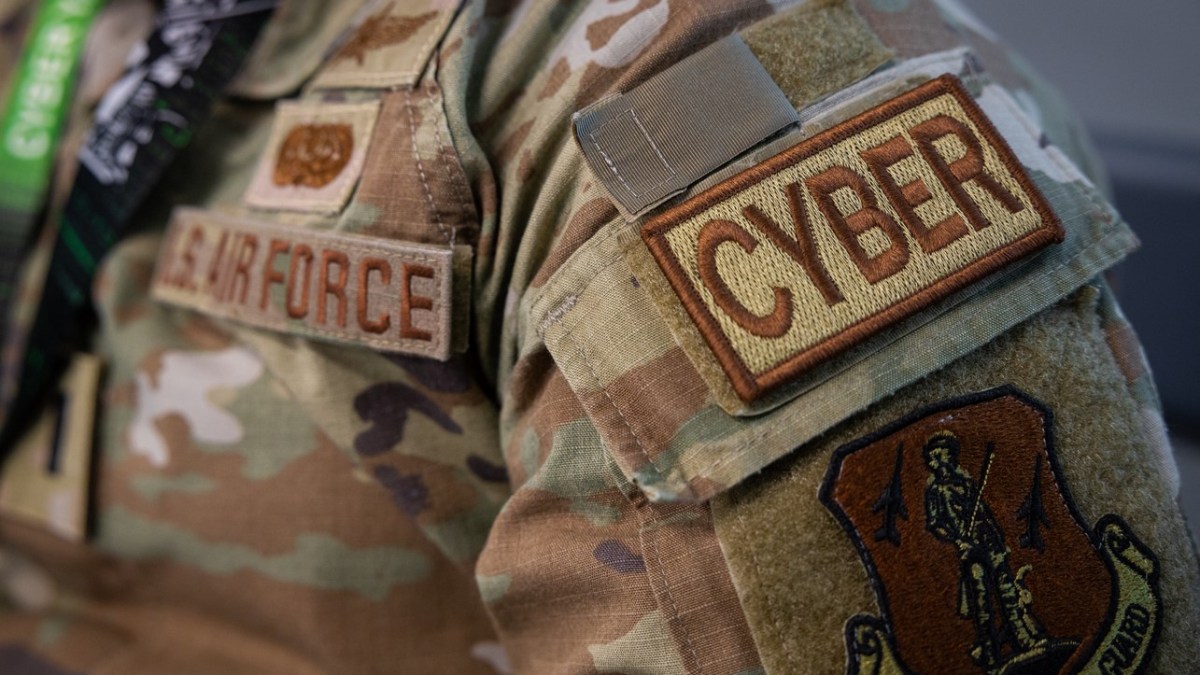
In a significant policy reversal, the Air Force has reinstated duty identifier patches, allowing airmen to visibly display their specialties on their Operational Camouflage Pattern (OCP) uniforms. The decision, announced on Friday, January 9, 2026, comes almost exactly a year after the patches were initially banned by then-Chief of Staff Gen. David Allvin. Current Chief of Staff Gen. Kenneth Wilsbach cited the importance of recognizing the diverse specialties within the Air Force as the reason for the change. The reversal was largely influenced by feedback from airmen who expressed a sense of pride and community associated with wearing the patches.
Key Points:
* The Air Force has officially reinstated duty identifier patches on OCP uniforms, as announced in an updated version of the service’s uniform regulation, DAFI 36-2903.
* Then-Chief of Staff Gen. David Allvin banned the patches in January 2025, arguing that they diminished the sense of a unified force.
* Current Chief of Staff Gen. Kenneth Wilsbach reversed the decision, stating the patches recognize the unique roles within the Air Force.
* Airmen widely criticized the original ban on social media, expressing the patches provided a sense of pride and community.
* The patches identify a wearer’s job with a brown-lettered occupational code, examples include “AGE” for Aerospace Ground Equipment technicians, “AMMO” for munitions troops, and “DIRT” for Pavements and Construction Equipment airmen.
* The Space Force instituted similar job tags, called mission tabs, late last year.
* The new rules also announced the approval of a dozen specialized tabs and six other minor changes.
Critical Analysis:
The rapid reversal of the duty identifier patch policy highlights a disconnect between senior leadership and the rank-and-file airmen regarding morale and identity. Gen. Allvin’s rationale for the ban, emphasizing a unified force, appears to have been outweighed by the airmen’s strong desire for individual recognition and community building through the patches. CMSAF David Wolfe’s swift action, informed by the negative feedback directed at his predecessor, signals a responsiveness to airmen’s concerns and a willingness to adjust policies accordingly. The Space Force’s adoption of mission tabs suggests a broader recognition of the value of specialty identification within the military.
Key Takeaways:
* Airmen’s feedback can significantly influence Air Force policy.
* The balance between unit cohesion and individual identity remains a key consideration in uniform regulations.
* Recognizing and valuing individual specialties can boost morale and a sense of community.
* Senior leadership needs to be responsive to the needs and desires of their enlisted members.
* The concurrent implementation of similar identifier programs in the Space Force indicates a growing trend across military branches.
Impact Analysis:
The reinstatement of duty identifier patches is likely to have a positive impact on morale within the Air Force. By allowing airmen to display their specialties, the Air Force is acknowledging the value of individual contributions to the overall mission. This could lead to increased job satisfaction and a stronger sense of belonging. Furthermore, the reversal demonstrates a willingness by Air Force leadership to listen to and address the concerns of its personnel, potentially fostering a more collaborative and responsive organizational culture. In the long term, such changes could contribute to improved retention rates and a more motivated workforce.
 First Piper