
Thu Jan 08 15:10:09 UTC 2026: ### Headline: Lebanese Army Claims Progress Disarming Hezbollah, Israel Remains Skeptical
The Story:
On January 8, 2026, the Lebanese military announced it had concluded the first phase of its plan to fully deploy across southern Lebanon and disarm non-state groups, primarily Hezbollah. This initiative follows a 2024 ceasefire brokered by the United States between Israel and Hezbollah. While Lebanon’s top officials have endorsed the military’s announcement, Israel has expressed skepticism, stating the progress is “far from sufficient” and accusing Hezbollah of attempting to rearm itself. The disagreement hinges on the interpretation of the ceasefire agreement, particularly the scope of disarmament efforts north of the Litani River.
Key Points:
- The Lebanese military announced the completion of the first phase of its disarmament plan in southern Lebanon.
- Israel expressed skepticism, claiming Hezbollah is rearming and that the Lebanese efforts are insufficient.
- The 2024 ceasefire agreement’s language regarding disarmament north of the Litani River is disputed.
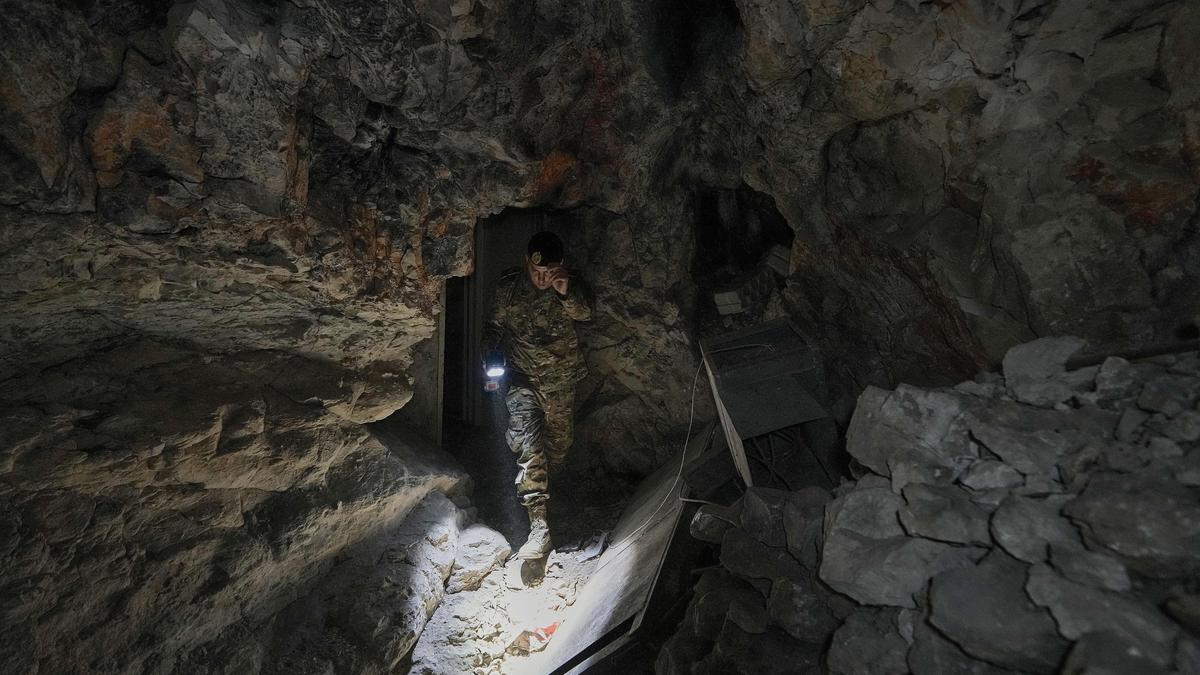
- Lebanon is clearing tunnels, rocket-launching positions, and other structures south of the Litani River.
- Israel continues to strike Lebanon near daily and occupies five strategic hilltop points along the border.
- The Lebanese government hopes disarmament will unlock reconstruction funding.
- Hezbollah insists it has been cooperative but will not disarm before Israel stops its strikes and withdraws from Lebanese territory.
Critical Analysis:
The provided context indicates this event is part of a larger pattern of regional instability. The announcement regarding Hezbollah disarmament is sandwiched between reports of escalating conflict in northern Aleppo and accusations against the U.S. for stoking military tension with Russia. This suggests a global landscape where localized conflicts are interconnected and influenced by larger geopolitical tensions. The timing of this announcement, coupled with Israel’s immediate skepticism, suggests a deeply entrenched distrust and differing strategic priorities in the region, making lasting peace a fragile prospect.
Key Takeaways:
- The disarmament of Hezbollah remains a significant point of contention between Lebanon and Israel.
- The interpretation of international agreements plays a crucial role in maintaining or disrupting peace.
- Regional conflicts are often intertwined with broader global power dynamics.
- External actors, like the U.S. and Iran, exert considerable influence in the Lebanese-Israeli dynamic.
- Achieving sustainable peace requires addressing the root causes of distrust and conflicting interests.
Impact Analysis:
The success or failure of the Lebanese army’s disarmament plan will have long-term implications for the stability of the region. Failure could lead to renewed conflict between Hezbollah and Israel, potentially drawing in other regional and international actors. Success, on the other hand, could pave the way for increased international investment in Lebanon’s reconstruction and a more stable political environment. However, the continued occupation of Lebanese territory by Israel, coupled with ongoing Israeli strikes, presents a significant obstacle to long-term peace and security. Furthermore, the continued flow of arms to Hezbollah, allegedly from Iran, could continue to destabilize the region.
 First Piper