
Fri Jan 02 06:25:26 UTC 2026: Summary:
Archaeologists in Pakistan have unearthed significant artifacts at the UNESCO-listed Bhir Mound site near Takshashila, including decorative lapis lazuli stones from the 6th century BC and coins from the Kushan dynasty dating back to the 2nd century AD. These discoveries, hailed as the most important at the site in a decade, offer insights into the political, cultural, and economic prominence of Takshashila during the Kushan period, particularly regarding its trade networks and religious pluralism. The coins, bearing the image of Emperor Vasudeva and a female deity, highlight the Kushan Empire’s religious diversity and economic strength. The presence of lapis lazuli indicates long-distance trade connections with regions like Badakhshan, Afghanistan.
News Article:
Significant Archaeological Find in Pakistan Sheds Light on Ancient Takshashila
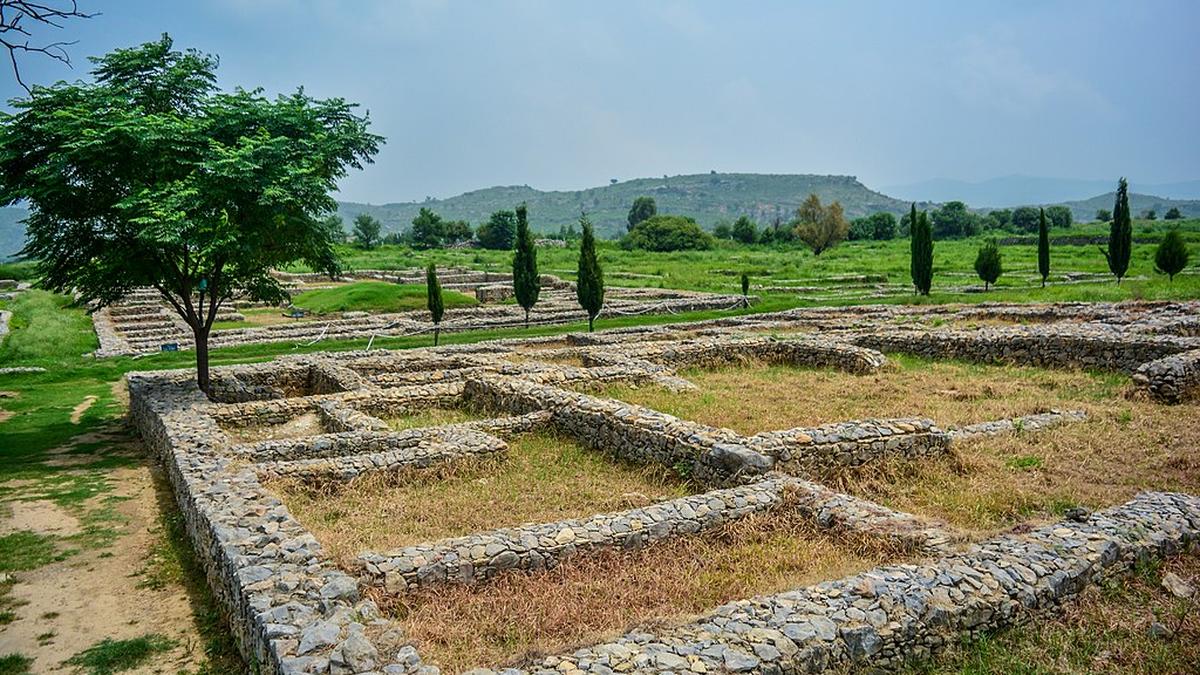
Islamabad, January 2, 2026 – A team of Pakistani archaeologists has made a remarkable discovery at the UNESCO World Heritage site of Bhir Mound, near the historic city of Takshashila. Excavations have revealed rare decorative stones dating back to the 6th century BC and coins from the 2nd century AD, offering a valuable glimpse into the early urban settlement and the flourishing Kushan Empire.
The find, described by officials as the most significant at the site in the last ten years, includes fragments of lapis lazuli, a prized semi-precious stone, and bronze coins attributed to the Kushan dynasty. Aasim Dogar, Deputy Director of the Punjab Department of Archaeology and head of the excavation team, confirmed the preliminary analysis of the artifacts.
The coins have been identified as bearing the image of Emperor Vasudeva, considered the last of the “great Kushan rulers.” The reverse side features a female religious deity, reflecting the religious pluralism characteristic of the Kushan era. Experts from the University of Peshawar conducted detailed numismatic analysis to confirm the coins’ origins.
Malik Tahir Suleman, a renowned numismatist, emphasized the historical importance of Kushan coins as critical sources for understanding ancient South and Central Asia. The coins, primarily made of gold, copper, and bronze, reflect the empire’s economic strength and extensive trade networks, including links to Roman markets.
The discovery of lapis lazuli also highlights the region’s long-distance trade connections. “Its presence at Taxila points to long-distance trade links, particularly with Badakhshan in present-day Afghanistan, a historic source of lapis lazuli,” said Mr. Dogar.
These discoveries reinforce the understanding that Takshashila reached its peak of political, cultural, and economic influence under Kushan rule, particularly between the 1st and 3rd centuries AD. The site served as a major administrative, commercial, and intellectual center, with widespread Kushan patronage of Buddhism leading to the construction of stupas, monasteries, and religious complexes. This period also witnessed the rise of Gandharan art, a unique synthesis of Greek, Roman, Persian, and Indian traditions, with Takshashila at its heart.
 First Piper