
Fri Jan 02 06:25:26 UTC 2026: Here’s a summary and a news article based on the provided text:
Summary:
Archaeologists in Pakistan have unearthed significant artifacts at the UNESCO-listed Bhir Mound site near Taxila. The finds, including 6th century BC decorative lapis lazuli stones and 2nd century AD Kushan dynasty coins, are being hailed as the most important discoveries in a decade. The coins, bearing the image of Emperor Vasudeva and a female deity, highlight the religious pluralism of the Kushan era. The lapis lazuli indicates long-distance trade links. These discoveries reinforce Taxila’s importance as a political, cultural, and economic center during the Kushan rule (1st-3rd centuries AD), a period marked by Gandharan art and widespread Buddhist patronage.
News Article:
Rare Artifacts Unearthed Near Taxila Offer New Insights into Ancient Gandhara Civilization
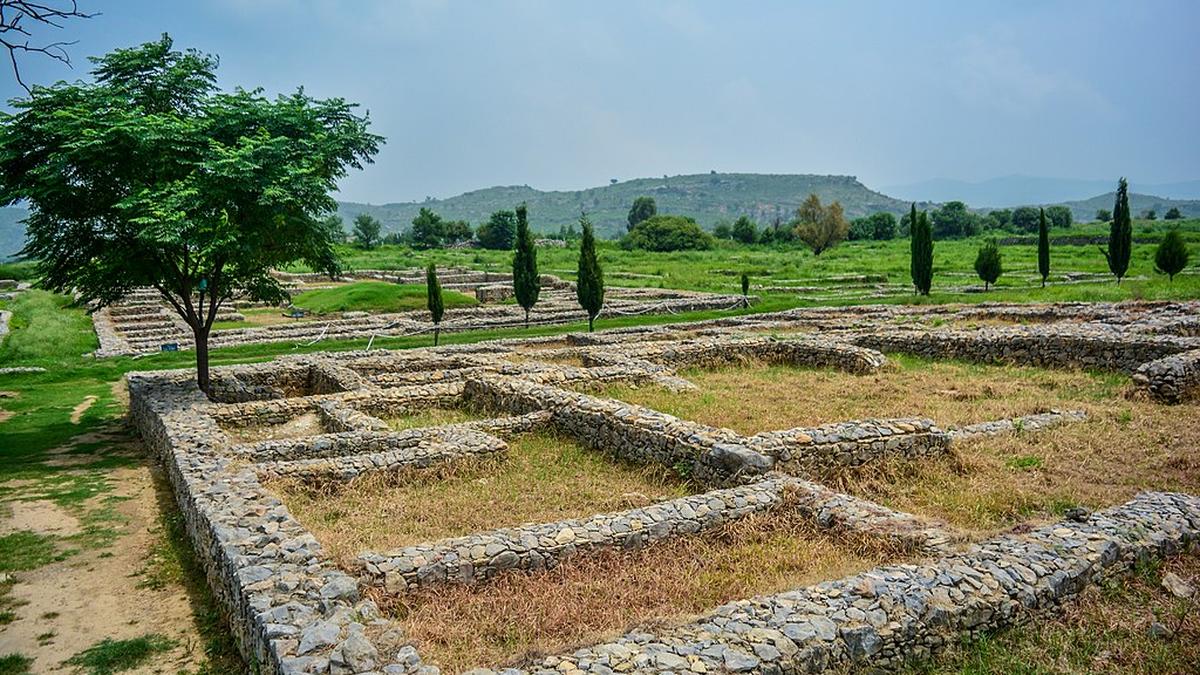
Islamabad, January 2, 2026 – A team of Pakistani archaeologists has made a significant discovery at the UNESCO World Heritage site of Bhir Mound, near the historic city of Taxila. The finds, which include decorative stones dating back to the 6th century BC and coins from the 2nd century AD, are being celebrated as the most important discoveries at the site in a decade.
The excavation, led by Aasim Dogar, Deputy Director of the Punjab Department of Archaeology, uncovered fragments of lapis lazuli, a prized semi-precious stone, along with rare bronze coins attributed to the Kushan dynasty. Forensic analysis of the coins by specialists from the University of Peshawar confirmed they bear the image of Emperor Vasudeva, the last of the “great Kushan rulers,” on one side and a female religious deity on the other. This imagery, Dogar explained, exemplifies the religious pluralism that characterized the Kushan era.
“These latest discoveries affirm that Taxila reached the zenith of its political, cultural, and economic influence under Kushan rule, particularly between the 1st and 3rd centuries AD,” stated Dogar. He noted that under emperors like Kanishka the Great, Taxila became a major administrative, commercial, and intellectual center, also giving rise to the Gandharan art.
Numismatist Malik Tahir Suleman highlighted the importance of Kushan coins as historical sources, noting their evolution from Indo-Greek imitations into a sophisticated imperial currency system. “Struck mainly in gold, copper, and bronze, they reflect the empire’s economic strength and vast trade networks, including links with Roman markets,” Suleman said.
The discovery of lapis lazuli fragments also points to long-distance trade connections, particularly with Badakhshan in modern-day Afghanistan, a historically significant source of the stone.
The artifacts were discovered in the B-2 trench on the northern side of the archaeological site, an area identified as a residential area. The discoveries are expected to provide valuable insights into the urban development and cultural exchange that shaped the ancient Gandhara civilization.
 First Piper