
Thu Jan 01 13:25:43 UTC 2026: Summary:
Visakhapatnam, India, is poised to become a major global data center hub by 2030, rivaling even Virginia in the United States, thanks to announcements of massive AI data center projects by tech giants like Google, Sify, and Reliance. These projects represent significant investment and promise long-term economic benefits by attracting technology and financial firms. However, the projects also raise concerns about the city’s ability to provide sufficient power and water, particularly given the region’s existing resources and the companies’ commitments to net-zero emissions. Local NGOs are seeking transparency regarding resource commitments and potential environmental impacts.
News Article:
Visakhapatnam Set to Become Global Data Center Hub, but Concerns Over Resource Strain Loom
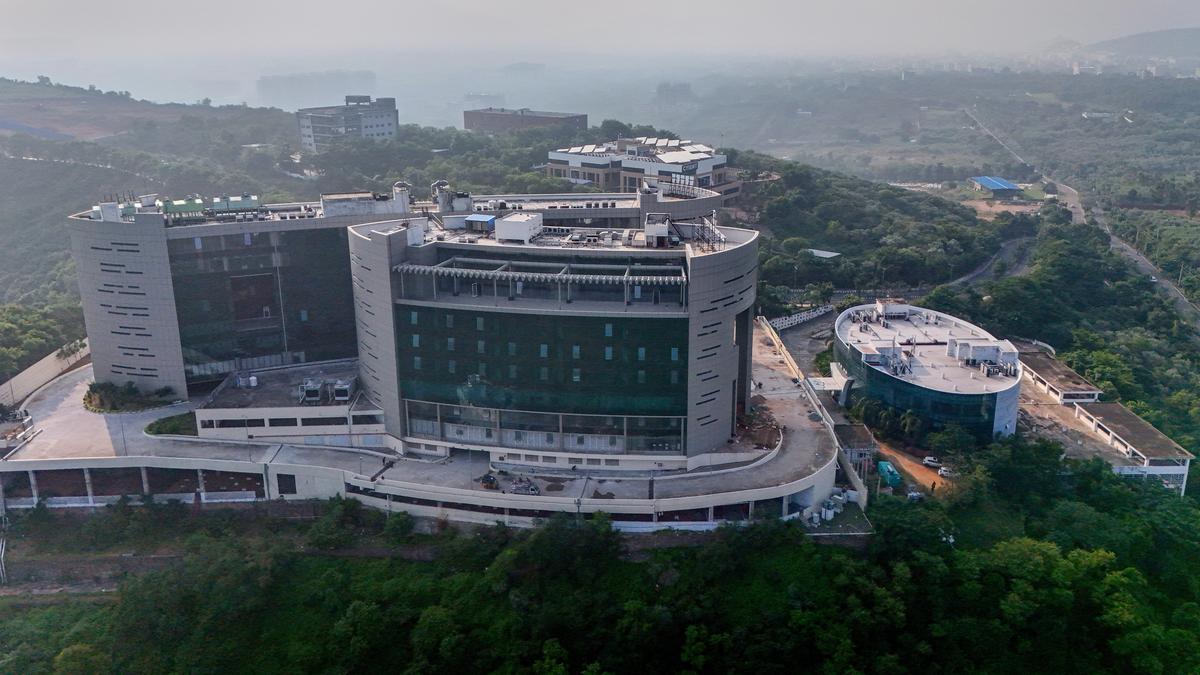
Visakhapatnam, India – January 1, 2026 – Visakhapatnam is on track to become a global powerhouse for data centers by 2030, potentially rivaling Virginia, USA, currently the world’s largest. This follows announcements of massive AI data center projects from Google, Sify, and Reliance, representing substantial investment and promising to attract further tech and financial giants to the region.
Google is leading the charge with a planned 1 GW AI data hub, partnering with AdaniConneX and Airtel. Sify has announced a 500 MW facility, including a new subsea cable landing. Reliance Industries also has a 1 GW AI data center planned, while CtrlS is eyeing a 300-350 MW hyperscale data center.
Deep-tech expert Kalyan Mangalapalli projects Visakhapatnam could have 2.5 to 2.8 GW of data center capacity by 2030, scaling to 6 GW within the next decade if all projects materialize. He emphasizes that data centers are essential for the government’s technological advancement plans, supporting cloud computing, digital storage, and AI applications.
However, these ambitious plans are raising concerns about the city’s capacity to meet the immense power and water demands of these facilities. The current power consumption in Visakhapatnam peaks at 1,300 MW during the summer, and data centers require significant additional capacity. Water consumption is also a concern, with the data centers potentially requiring 30 million liters of water per day, nearly 10% of the city’s current usage.
While Google and Reliance have pledged to generate solar power, the amount of land required presents a challenge. Alternatives like green hydrogen, nuclear energy, and on-site renewable generation are also being explored.
Local NGOs, like LibTech, are demanding transparency regarding the resource commitments and environmental impact assessments, filing RTI pleas that have so far been rejected. They seek clarity on power and water supply commitments, as well as employment generation.
“Data centers function like infrastructure projects, enabling the entry of companies reliant on high bandwidth and low latency,” notes Mangalapalli. The long-term economic benefits, including increased employment and economic development, are substantial, but only if the power and water challenges are adequately addressed. The development of desalination plants may ease water issues.
 First Piper