
Thu Jan 01 07:04:32 UTC 2026: Summary:
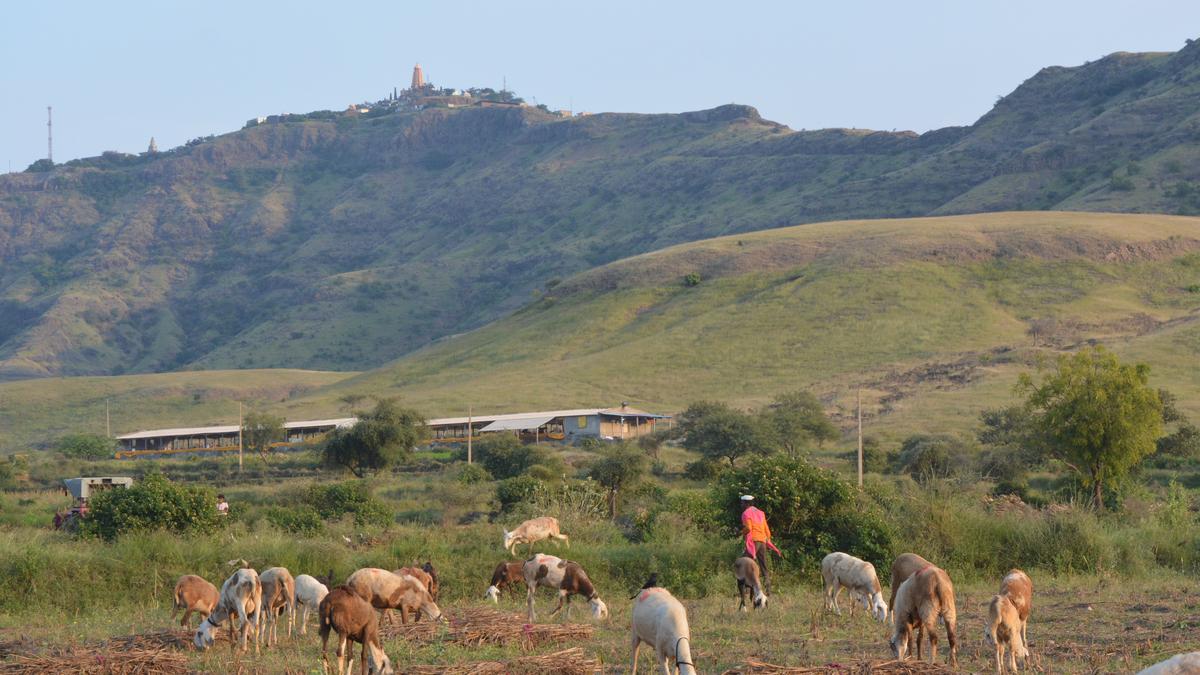
A new study published in the British Ecological Society journal “People and Nature” challenges the perception of western Maharashtra’s savannas as degraded forests. By analyzing medieval Marathi literature and oral traditions, researchers demonstrate that these open-canopy landscapes have existed for at least 750 years. The study advocates for a biocultural approach to conservation, emphasizing the importance of local culture and historical context in protecting biodiversity. The research highlights that misinterpreting savannas as degraded forests can lead to detrimental afforestation efforts, urging a shift towards savanna-specific restoration strategies.
News Article:
Ancient Savannas of Maharashtra Older Than Previously Thought, Study Reveals
Mumbai, January 1, 2026 – A groundbreaking study published in the British Ecological Society journal “People and Nature” reveals that the savannas of western Maharashtra are significantly older than previously believed, challenging the notion that they are simply degraded forests. Researchers from Michigan State University and the Indian Institute of Science Education and Research, Pune, examined centuries-old Marathi literature and oral traditions to reconstruct the region’s ecological history.
The study found evidence that open-canopy, tree-grass landscapes have persisted for at least 750 years, predating colonial timber extraction. The research team analyzed 28 georeferenced excerpts from various historical texts, identifying 62 plant species, the majority of which are indicative of savanna ecosystems.
“These centuries-old stories provide us a rare glimpse into the past, and that the past was a savanna past, not a forested past,” said Ashish N. Nerlekar, lead researcher from Michigan State University.
The study advocates for a biocultural approach to conservation, recognizing the intertwined nature of biodiversity and cultural heritage. The authors highlight the importance of understanding local terminology and historical context to avoid misinterpreting savanna ecosystems as degraded forests. They also warn against afforestation efforts that could harm these unique landscapes and the livelihoods of pastoralist communities.
The findings have significant implications for conservation policy in Maharashtra and across India, where savannas and grasslands are often misclassified as “wastelands.” The study urges a shift towards savanna-specific restoration strategies that prioritize biodiversity and cultural preservation.
 First Piper