
Sat Dec 27 12:39:39 UTC 2025: ## US Strikes in Nigeria Spark Confusion and Controversy
Abuja, Nigeria – December 27, 2025 – A recent U.S. military strike against alleged Islamic State (ISIS) targets in Nigeria has been met with confusion and controversy, as details surrounding the operation remain murky. The strike, authorized by U.S. President Donald Trump and carried out on December 26th, has raised questions about the true targets, the timing of the operation, and Nigeria’s sovereignty.
According to Nigerian Information Minister Mohammed Idris, the strikes aimed at “ISIS elements attempting to penetrate Nigeria from the Sahel corridor” in Sokoto state. However, the lack of specific information about the targeted groups has drawn criticism from analysts and opposition parties, who accuse the government of allowing a foreign power to announce the operation before Nigeria itself.
Complicating matters further, President Trump publicly claimed credit for the strikes, stating he deliberately delayed them until Christmas, sparking concerns about the operation’s symbolic value outweighing its strategic importance. He told Politico, “And I said, ‘nope, let’s give a Christmas present’.”
Nigerian Foreign Minister Yusuf Tuggar initially asserted the operation was a joint effort, with Nigeria providing intelligence and approval. However, he later revealed that a planned joint statement with the U.S. was abandoned when Washington released its own statement prematurely.
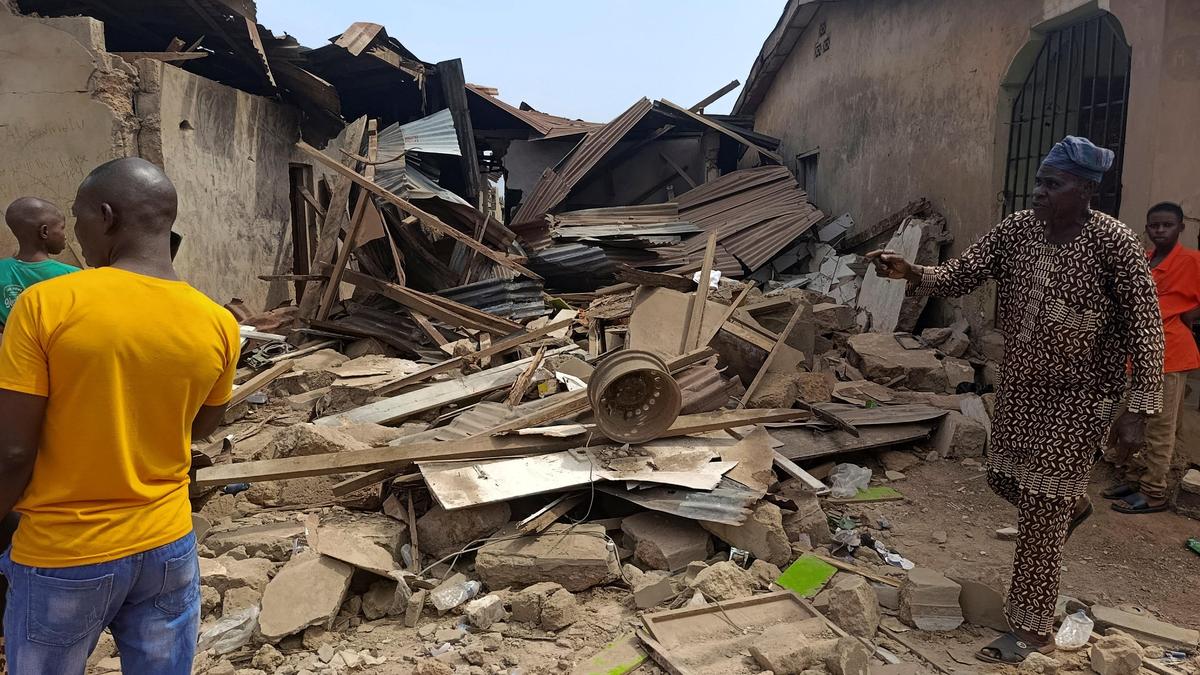
Reports indicate that villages in Sokoto and neighboring Kwara states were hit by debris from the strikes, causing damage to buildings. While no civilian casualties have been reported, the incidents have raised concerns among local communities. Resident Haruna Kallah, in Jabo town, Sokoto state, told AFP, that explosions from the strike “surprised us because this area has never been” a stronghold for armed groups.
The U.S. military released a video showing the launch of missiles from a naval ship. The Nigerian government confirmed that MQ-9 Reaper drones were used and “a total of 16 GPS-guided precision munitions were deployed using MQ-9 Reaper” drones.
The choice of targeting the northwest of Nigeria, where jihadist activity is less prevalent compared to the northeast, has also baffled analysts. While some have linked the local armed group Lakurawa to ISIS Sahel Province, these connections remain disputed.
The strikes follow a recent diplomatic disagreement between Washington and Abuja, stemming from President Trump’s assertion that violence in Nigeria constitutes “persecution” against Christians, a claim the Nigerian government and independent analysts reject.
Activist and former presidential candidate Omoyele Sowore said Saturday, “Twenty-four hours after the bombing, neither Nigeria nor its so-called ‘international partners’ can provide clear, verifiable information about what was actually struck”.
Both the U.S. and Nigeria have indicated that further strikes are possible, leaving many observers concerned about the implications for Nigeria’s security and sovereignty.
 First Piper