
Sun Dec 14 00:46:00 UTC 2025: Summary:
A new study published in Current Biology has identified key cellular traits that allow mangroves to thrive in saltwater environments. Researchers analyzed 34 mangrove species and found that their resilience stems from small leaf epidermal pavement cells and thicker cell walls, giving them the mechanical strength to tolerate low osmotic potentials. This discovery could be used to develop salt-tolerant crops, vital for food security as sea levels rise due to climate change. Mangroves protect the coasts from erosion and are a habitat for various species, benefiting many people. The strategies to engineer salt-tolerant plants may focus on manipulating cell size and cell wall properties.
News Article:
Mangrove Secrets Unlocked: Cell Traits Offer Hope for Salt-Tolerant Crops
Bengaluru, December 14, 2025 – A groundbreaking study published in Current Biology has unveiled the secrets behind mangroves’ remarkable ability to thrive in saltwater, potentially paving the way for the development of salt-tolerant crops. International researchers, analyzing 34 mangrove species from across 17 plant families, have identified key cellular traits that differentiate these resilient plants from their inland relatives.
The study, led by researchers like Adam Roddy, an assistant professor at New York University, revealed that mangroves possess unusually small leaf epidermal pavement cells and thicker cell walls. These characteristics provide the mechanical strength needed to withstand the low osmotic potentials of saltwater environments.
“This work reveals that just a few simple cell traits are critical to tolerating the extreme conditions experienced by some of the most distinctive and resilient plants in the world,” said Dr. Roddy.
The findings offer a potential solution to the growing threat of rising sea levels and increasing soil salinity, which impact agricultural productivity worldwide. By understanding the cellular mechanisms that allow mangroves to thrive, scientists can potentially engineer crops that can tolerate salty conditions, securing food supplies for coastal communities.
Mangroves also offer other unique features, such as their ability to filter salt through their roots or secrete it through their leaves.
“If we want to manipulate plants,” Dr. Roddy said, “then focusing on ones of particular economic importance that would also be threatened by increasing salinity would be the way to start.”
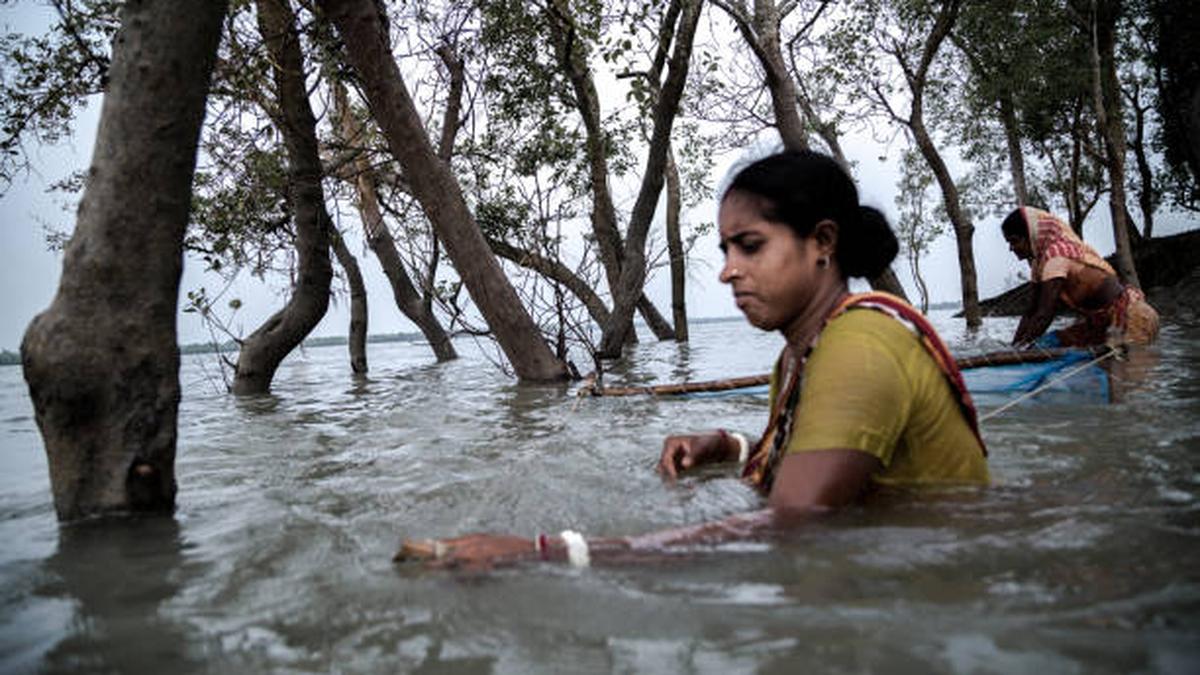
Beyond their potential for agricultural innovation, mangroves play a vital role in coastal protection, preventing erosion and providing crucial habitats for diverse marine and avian life. This study underscores the importance of understanding and preserving these valuable ecosystems.
 First Piper