
Wed Dec 10 09:04:44 UTC 2025: Summary:
According to the European Union’s Copernicus Climate Change Service (C3S), 2025 is projected to be the second or third-warmest year on record, nearing the record set in 2024. This follows the unsuccessful COP30 climate summit, where significant new emissions reduction measures were not agreed upon due to geopolitical tensions. This year marks the end of a three-year period where average global temperatures exceeded 1.5ºC above pre-industrial levels. Extreme weather events, such as Typhoon Kalmaegi in the Philippines and severe wildfires in Spain, highlight the accelerating impact of climate change. While scientists acknowledge natural temperature fluctuations, they confirm a clear warming trend due to greenhouse gas emissions from burning fossil fuels. The article also discusses the unlikelihood of meeting the 1.5 Celsius target set by the Paris Agreement, urging governments to accelerate CO2 emission reductions.
News Article:
2025: Set to be One of Hottest Years on Record After Inaction at COP30
United Nations – December 10, 2025 – Data released by the European Union’s Copernicus Climate Change Service (C3S) indicates that 2025 is on track to be one of the hottest years ever recorded, potentially second only to the record-breaking heat of 2024. This grim assessment comes on the heels of the COP30 climate summit, which concluded last month without significant new commitments to curb greenhouse gas emissions.
The C3S report notes that 2025 will likely complete a three-year span where global average temperatures have exceeded 1.5ºC above pre-industrial levels, a critical threshold scientists warn against crossing.
“These milestones are not abstract – they reflect the accelerating pace of climate change,” said Samantha Burgess, strategic lead for climate at C3S.
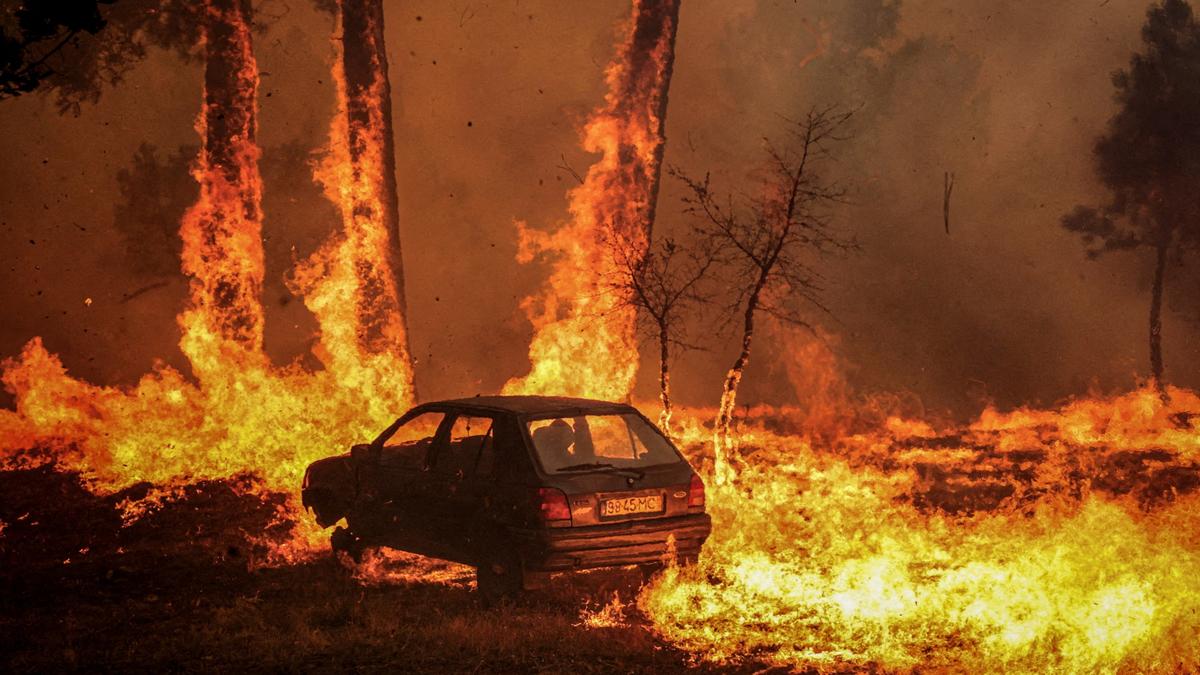
The year has already been marked by extreme weather events around the globe, including deadly typhoons and devastating wildfires. Scientists emphasize the clear warming trend linked to greenhouse gas emissions from the burning of fossil fuels.
While natural fluctuations occur, the past decade has seen the 10 warmest years on record. Despite the 2015 Paris Agreement’s goal of limiting warming to 1.5 Celsius, the UN now acknowledges that this target is likely unattainable. Urgent action is needed to drastically reduce CO2 emissions to mitigate the worst consequences of climate change. The UN Environment Programme’s Emissions Gap Report 2025 warned that even if countries implement their national climate plans in full, global temperatures this century would still be headed for around 2.3-2.5ºC of warming while current policies would deliver around 2.8ºC. It also estimated that global emissions would have to drop by half by 2035 to keep the 1.5ºC pathway open, at least briefly.
With analysts noting an unprecedented temperature surge, the world is potentially entering a post-1.5ºC era, demanding immediate and decisive climate action.
 First Piper