
Mon Dec 01 13:57:42 UTC 2025: Summary:
The High Court of Karnataka has placed a restraining order on the state government, preventing them from issuing new recruitment notifications based on the Karnataka SC/ST Reservation Act of 2022, which increased reservation quotas for these communities. This order comes in response to petitions questioning the act’s constitutional validity, particularly regarding exceeding the 50% reservation limit set by the Supreme Court and alleged lack of consultation with national commissions. Recruitments already underway before November 19, 2025, can continue, but appointments will be subject to the court’s final decision on the petitions.
News Article:
Karnataka High Court Halts Further SC/ST Quota-Based Recruitments
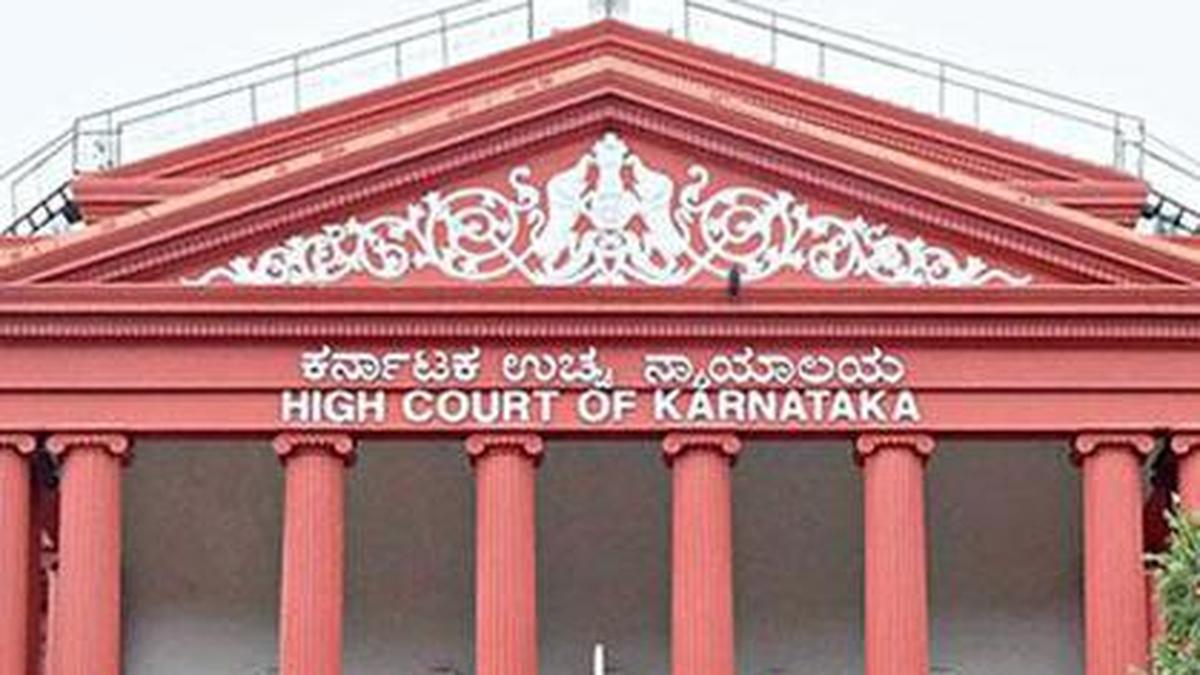
Bengaluru, December 1, 2025 – The Karnataka High Court has delivered a blow to the state government’s reservation policy, issuing an interim order halting further recruitment notifications based on the Karnataka Scheduled Castes (SCs) and Scheduled Tribes (STs) (Reservation of Seats in Education Institutions and Appointments of Posts and Services under the State) Act, 2022. The act, which increased reservation quotas for SCs from 15% to 17% and STs from 3% to 7%, is now under scrutiny due to petitions challenging its constitutional validity.
The Division Bench, led by Chief Justice Vibhu Bakhru, issued the order on November 27th, responding to Public Interest Litigations (PILs) filed by Mahendra Kumar Mitra and Mahesh. The petitioners argue that the increased reservation exceeds the 50% limit established by the Supreme Court and that mandatory consultations with the National Commission for SCs and STs were not conducted prior to the act’s implementation.
While the court has restrained the issuance of new notifications, it has allowed ongoing recruitment processes initiated before November 19, 2025, to proceed under the increased quotas. However, the court has made it clear that all appointments made through these ongoing recruitments will be provisional and subject to the final outcome of the petitions. Any appointment letters must explicitly state this condition, preventing candidates from claiming preferential treatment if the court eventually strikes down the increased reservation.
The order also clarifies that existing interim or final orders from other courts or tribunals regarding recruitment processes based on the Act of 2022 will remain unaffected. The case highlights the ongoing debate surrounding reservation policies and their compliance with constitutional limits and procedures.
 First Piper