
Mon Nov 24 14:20:00 UTC 2025: Summary:
The Turkish KAAN fighter jet, while a significant achievement for Turkey’s defense industry, faces critical vulnerabilities that prospective buyers should consider. Its reliance on U.S.-built engines subject to American export licenses gives Washington significant control over its production, deployment, and maintenance. This dependence, coupled with potential geopolitical tensions between Turkey and the West, poses a considerable risk to foreign buyers like Indonesia. While Turkey is developing a domestic engine, its integration is years away, and the KAAN’s design still incorporates European subsystems with potential veto points. The author argues that buying KAAN is betting on an unfinished aircraft dependent on external factors and compares it to the Israeli Lavi fighter program.
News Article:
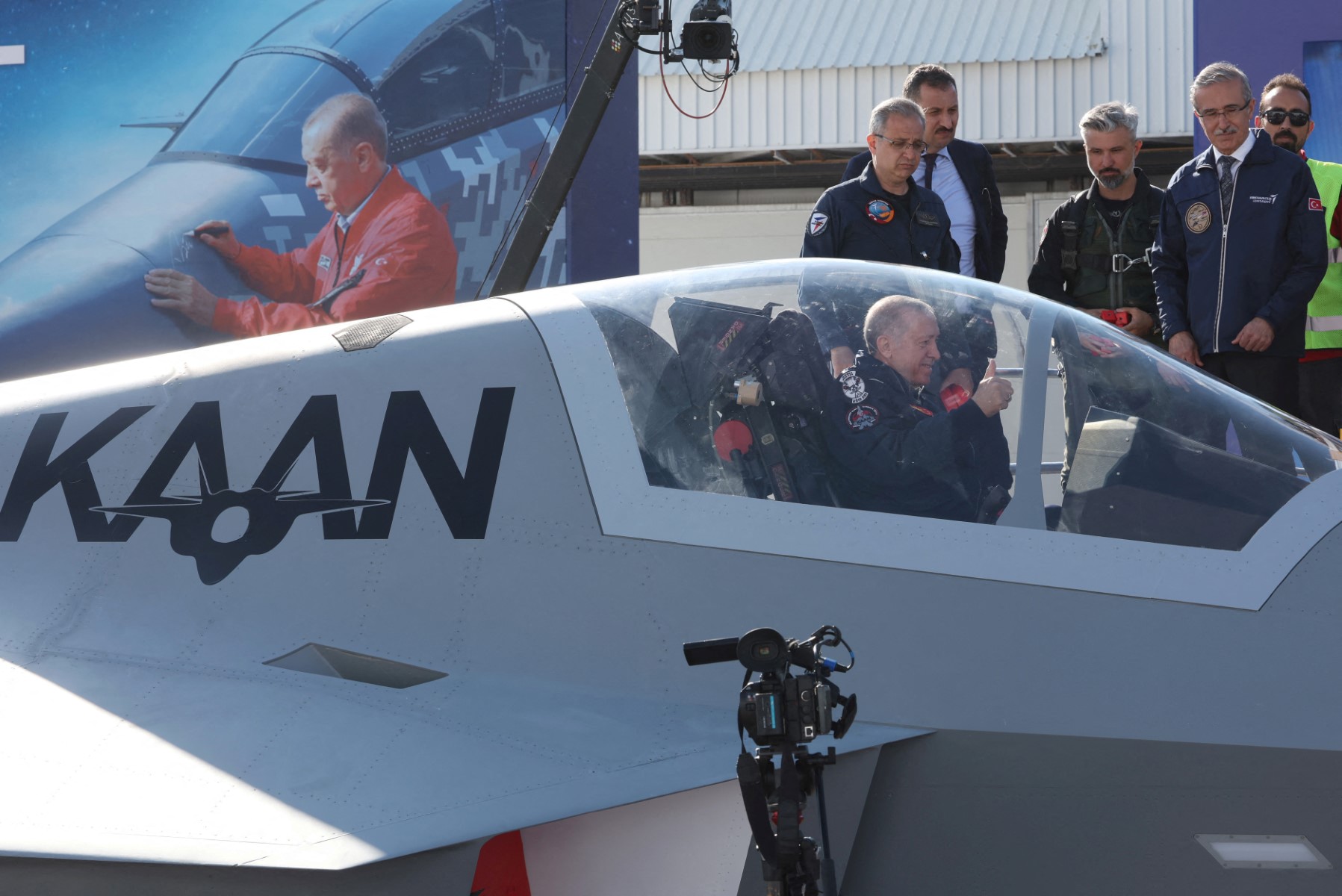
Turkish KAAN Fighter Jet Faces U.S. Export Hurdles, Raising Concerns for Foreign Buyers
WASHINGTON D.C. – The Turkish Aerospace Industries’ (TAI) KAAN fighter jet, touted as Turkey’s entry into the fifth-generation air power club, is facing significant challenges that could impact its appeal to foreign buyers, according to a recent analysis by Shay Gal published in the Eurasian Times. The core issue lies in the KAAN’s dependence on U.S.-built General Electric F110 engines, which require American export licenses.
The author points out that these licenses make production vulnerable to shifts in U.S.-Turkish relations. “The veto does not sit in Ankara; it sits in Washington,” writes Gal, highlighting the geopolitical risk.
Indonesia, identified as a likely first customer with an order for 48 aircraft, faces immediate concerns. The maintenance, upgrades, and operational availability of KAANs will depend on U.S. permissions, not Indonesian control.
Turkey is developing a domestic engine, the TF-35000, slated for integration in the early 2030s. Even if successful, most export customers will still rely on U.S.-licensed engines. The author notes that the KAAN airframe was co-designed with BAE Systems and contains European subsystems, creating multiple potential veto points.
Despite Turkey’s efforts to hedge its bets by acquiring Eurofighter Typhoons and seeking F-16 Block 70s, the analysis suggests that the KAAN will not be a fully independent air power solution for the next decade. The situation mirrors Israel’s Lavi program, which, while groundbreaking, was ultimately canceled due to U.S. pressure and cost considerations.
“Foreign buyers must ask one question: Who can stop my aircraft from flying? With KAAN today, the honest answer is: more actors than with almost any other fighter on the market,” Gal concludes.
 First Piper