
Mon Nov 17 17:25:55 UTC 2025: Summary:
The article reports on Taiwanese President Lai Ching-te’s condemnation of China’s actions, which he believes have severely impacted regional peace. This condemnation stems from a diplomatic dispute between China and Japan ignited by Japanese Prime Minister Sanae Takaichi’s suggestion of potential Japanese military intervention in the event of an attack on Taiwan. China claims Taiwan as its territory and has threatened force. Lai urged China to act responsibly and uphold the rules-based international order.
News Article:
China’s Actions Disrupting Regional Peace, Says Taiwanese President
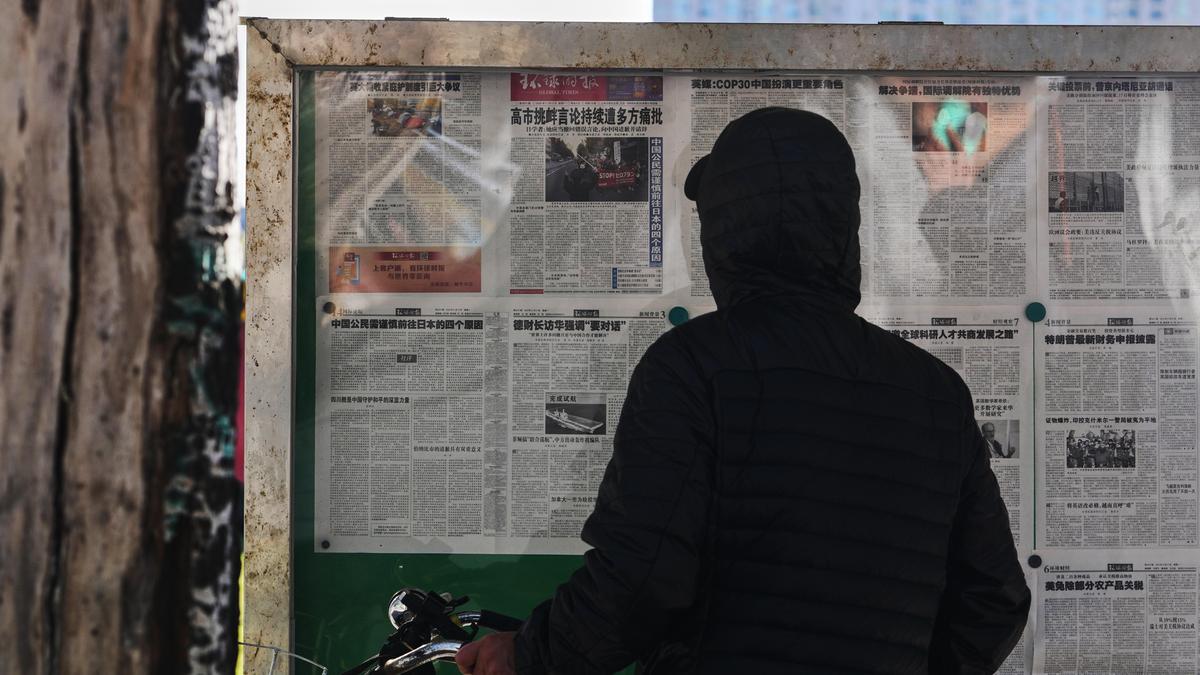
Taipei – November 17, 2025 – Taiwanese President Lai Ching-te has strongly criticized China, stating that its recent actions have severely impacted peace and stability in the Asia-Pacific region. President Lai’s comments follow a heated diplomatic exchange between China and Japan, sparked by Japanese Prime Minister Sanae Takaichi’s remarks hinting at possible Japanese military intervention should Taiwan be attacked.
China, which considers Taiwan a breakaway province, has repeatedly threatened to use force to bring the island under its control. Takaichi’s statement has been interpreted as a sign of potential Japanese support for Taiwan in the face of Chinese aggression.
President Lai called on Beijing to exercise restraint, act in accordance with its status as a major power, and adhere to a rules-based international order. “China should return to the path of a rules-based international order, which would help maintain peace, stability and prosperity in the region,” Mr. Lai told reporters.
The dispute between China and Taiwan dates back to 1949, when Nationalist forces retreated to the island after their defeat by Communist forces in the Chinese Civil War. While most countries, including Japan, do not officially recognize Taiwan’s claim to statehood, Tokyo and Taipei maintain close informal ties. The escalating tensions between China and Japan, fueled by the ongoing Taiwan issue, are raising concerns about regional stability and the potential for future conflict.
 First Piper