
Tue Nov 18 02:30:00 UTC 2025: Summary:
The 2025 Bihar Assembly elections saw a significant victory for the NDA and a marked decline in the number of Muslim legislators elected to the state assembly. With only 11 Muslim MLAs elected, it’s the lowest representation since 2000, a 42% drop from the 2020 elections. Muslims make up 17.7% of Bihar’s population, making their 4.5% representation in the assembly a significant underrepresentation. Factors contributing to this decline include the splitting of votes by AIMIM and a smaller pool of Muslim candidates overall.
News Article:
Bihar Assembly Sees Record Low Muslim Representation After 2025 Elections
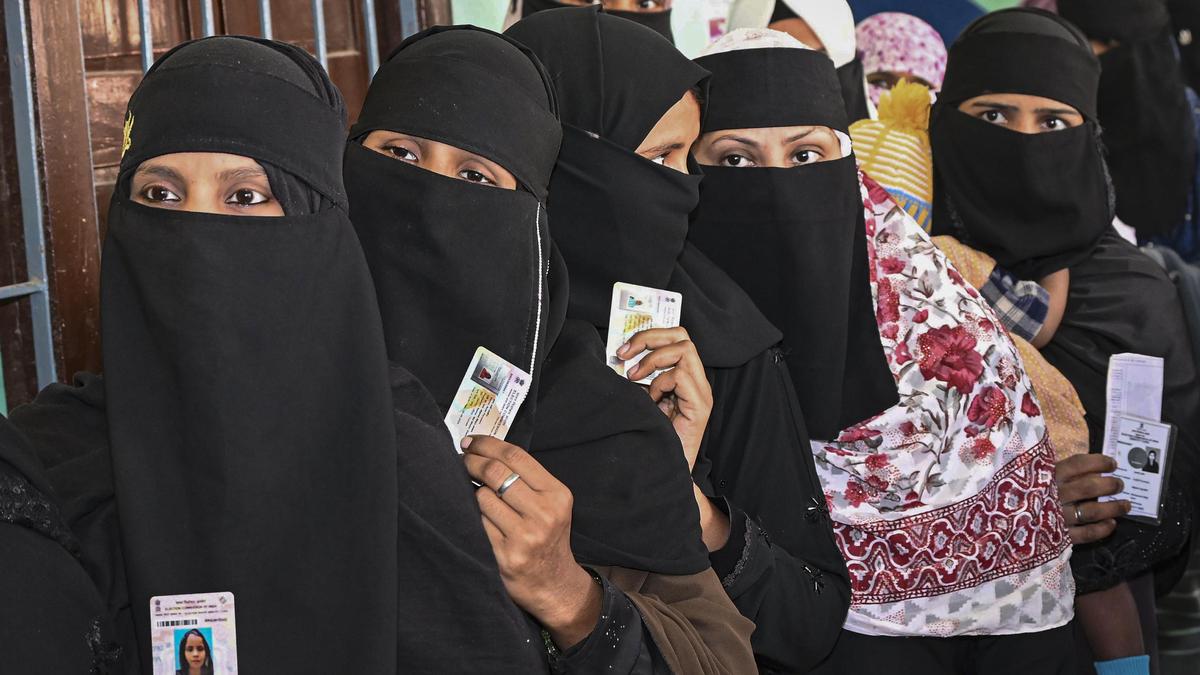
Jehanabad, Bihar – November 18, 2025 – The recently concluded Bihar Assembly elections have resulted in a historic low for Muslim representation in the state legislature. While the NDA secured a sweeping victory, the number of Muslim MLAs elected plummeted to just 11, the lowest figure since 2000 and a sharp 42% decrease from the 19 elected in 2020.
This decline is particularly significant given that Muslims comprise 17.7% of Bihar’s population according to the 2022 Bihar Caste Census. The 243-member Assembly will now only have 4.5% Muslim representation.
The All India Majlis-E-Ittehadul Muslimeen (AIMIM) secured five of the eleven Muslim MLA seats. The Rashtriya Janata Dal (RJD) and the Indian National Congress followed, fielding three and two representatives, respectively. The Janata Dal (United) has a single Muslim MLA.
Analysts attribute the decline to several factors, including the potential spoiler effect of AIMIM in key constituencies and a smaller overall pool of Muslim candidates. According to the election data, Muslim candidates constituted only 11.8% of the total candidate pool, dropping to 7.6% when independent candidates were excluded.
The reduced representation raises concerns about the diversity and inclusivity of the Bihar Assembly and the representation of its sizable Muslim population. The election results are already sparking discussions and debates across the state about their potential impact on policy and governance.
 First Piper