
Wed Nov 05 00:34:00 UTC 2025: Summary:
A 2025 EAT-Lancet Commission report warns that current food systems are exceeding planetary boundaries and calls for a transformation centered on justice and sustainability. The report highlights the significant environmental impact of food systems, contributing to issues like climate change and pollution. It advocates for a shift towards a plant-rich “planetary health diet” (PHD) while emphasizing the need for fair livelihoods and equitable access to healthy food, particularly for vulnerable populations. India is cited as an area of concern due to nitrogen overloading, pesticide pollution, and a move towards unhealthy, processed foods.
News Article:
EAT-Lancet Report Sounds Alarm: Food Systems Overstepping Planetary Limits, Justice Must Be Central to Solutions
New Delhi – November 5, 2025 – A new report by the 2025 EAT-Lancet Commission is issuing a stark warning about the state of global food systems, declaring them the largest contributor to breaching planetary boundaries. The report, released today, emphasizes the urgent need for a radical transformation that places justice at the heart of efforts to achieve healthy and sustainable food production.
The EAT-Lancet Commission, comprised of leading scientists, argues that current food systems are responsible for exceeding five out of the nine planetary boundaries, including climate change, nitrogen cycle imbalances, and land system change. These boundaries define the limits within which humanity can safely operate without risking environmental collapse.
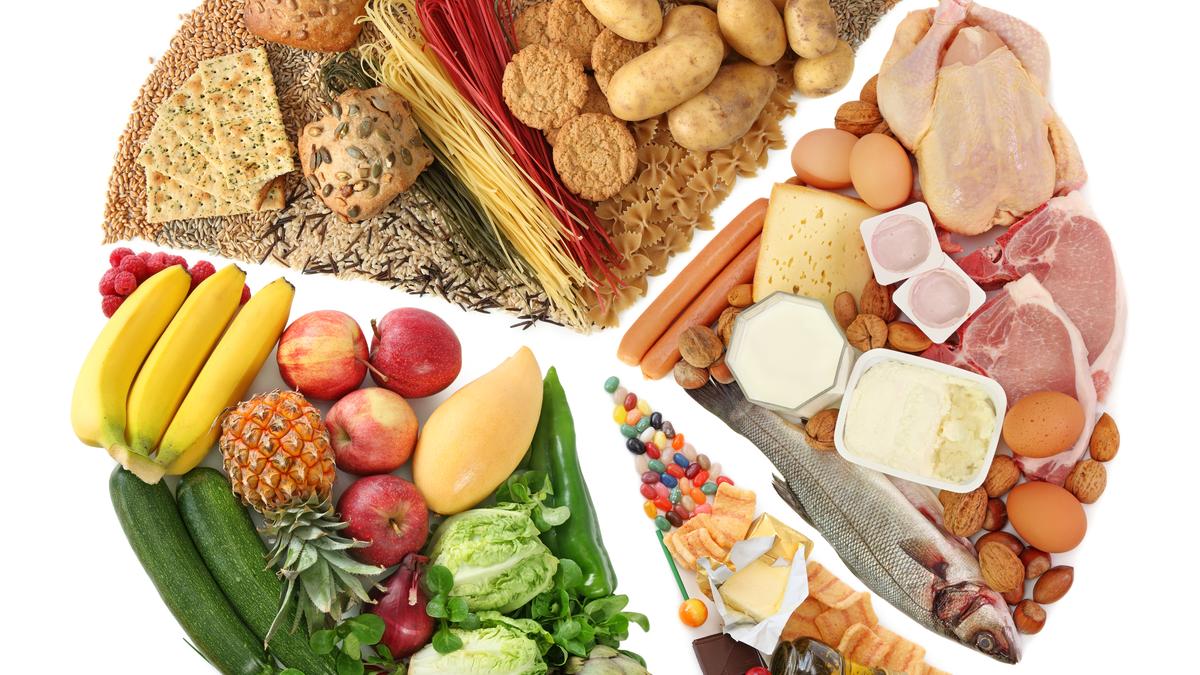
The report points to a heavy reliance on resource-intensive agricultural practices and high greenhouse gas emissions from food production (30% of total greenhouse gases). It proposes a global shift towards a “planetary health diet” (PHD), characterized by a plant-rich diet of fruits, vegetables, legumes, and whole grains, with limited consumption of animal products, sugars, and fats.
The report, however, raises concerns about India, citing issues with nitrogen overloading, high pesticide pollution and the trend towards consumption of processed foods, worsening health inequality.
The report also highlights that a small percentage of the world’s population lives in a space where their right to healthy food and food needs are met within planetary boundaries.
Crucially, the commission stresses that environmental sustainability cannot be achieved without addressing social justice. It calls for agricultural and trade policies to be assessed not just on yield and efficiency, but also on their impact on livelihoods, producer welfare, and corporate accountability regarding working conditions and supply chain transparency.
The report advocates for making the PHD accessible and affordable through policy interventions like subsidies, taxes on unhealthy foods, and restrictions on harmful marketing practices. The commission underscored the importance of ensuring everyone’s right to healthy food and called for using policy tools such as subsidies to improve access to healthy foods.
 First Piper