
Mon Nov 03 14:05:21 UTC 2025: Summary:
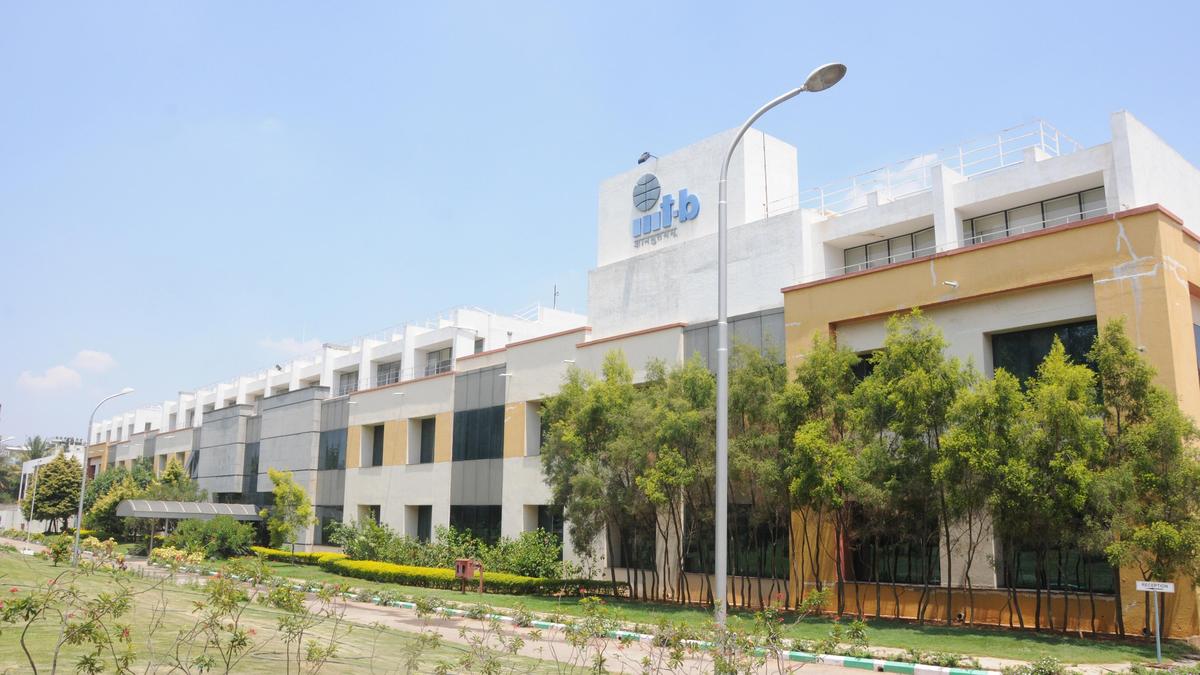
Researchers at the International Institute of Information Technology Bangalore (IIIT-B) are developing machine learning models to optimize India’s transition to renewable energy sources, particularly solar and wind. These models balance carbon reduction with affordability, reliability, and fairness in real-time grid operations. The research team, led by Assistant Professor Aswin Kannan, is analyzing data from India, Europe, and the U.S., factoring in weather variables. They found that accuracy alone is insufficient and bias in data can skew results. While India’s renewable data quality is good, its variability presents unique challenges due to diverse conditions across states and seasons. The focus is on creating new microgrids and transmission lines for variable renewable power, considering factors like cost, bias, and risk of error in the models. The aim is to prevent imbalances in power markets, reduce wastage, and enable more flexible energy pricing.
News Article:
IIIT-B Researchers Harness AI for Reliable and Affordable Renewable Energy in India
Bengaluru, November 4, 2025 – Scientists at the International Institute of Information Technology Bangalore (IIIT-B) are pioneering the use of machine learning to optimize India’s renewable energy transition, ensuring a reliable and affordable power supply. Their research addresses the challenges of balancing carbon reduction goals with practical considerations like cost and grid stability.
The team, led by Assistant Professor Aswin Kannan, has developed sophisticated models that forecast solar and wind power generation while simultaneously balancing accuracy, cost, and reliability. By analyzing data from India, the US, and Europe, their models take into account weather variables, such as temperature, pressure, and irradiance.
“In energy markets, accuracy alone is not enough,” explains Professor Kannan. “Over-predicting reduces reliability, while under-predicting increases operational costs. Our models detect data biases and create forecasts that balance cost, reliability, and fairness for real-time grid operations.”
India presents unique challenges due to the diverse weather conditions across states. Unlike Europe’s more uniform weather patterns, India’s solar and wind conditions vary significantly, requiring a dynamic approach.
The team’s research highlights the need for new infrastructure to support renewable energy, including microgrids, battery systems, and transmission lines. This research has implications for grid operators, policymakers, and renewable developers, as it will enable more flexible energy pricing, reduce wastage, and prevent imbalances in power markets. By factoring in costs, bias and potential errors, IIIT-B’s models can improve India’s transition to renewable energy sources.
 First Piper