
Thu Oct 30 05:34:37 UTC 2025: FOR IMMEDIATE RELEASE
U.S. and China Reach Tentative Trade Agreement at Busan Summit
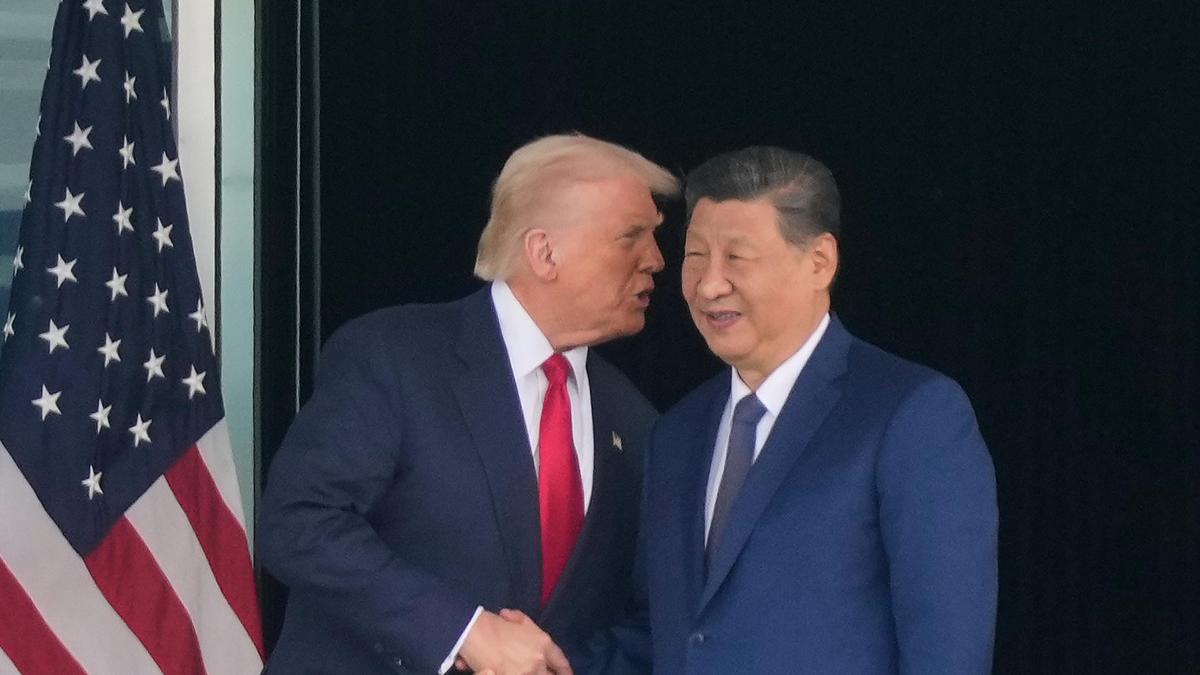
Busan, South Korea – October 30, 2025 – In a move that could ease global economic tensions, U.S. President Donald Trump and Chinese President Xi Jinping met in Busan, South Korea, today and emerged with a tentative agreement that includes tariff reductions and increased trade.
President Trump, speaking to reporters aboard Air Force One, described the meeting as a resounding success, stating he would reduce tariffs imposed earlier this year on Chinese goods from 20% to 10%. In return, China has reportedly agreed to resume the export of rare earth elements and increase purchases of American soybeans.
“I guess on the scale from 0 to 10, with ten being the best, I would say the meeting was a 12,” Trump told reporters. He also announced plans to visit China in April, with President Xi slated to visit the U.S. sometime after. Discussions also reportedly included the export of advanced computer chips, with President Trump indicating that Nvidia would be in talks with Chinese officials. He expressed optimism, saying he could sign a trade deal with China “pretty soon.”
Despite Trump’s positive assessment, potential challenges remain. Both nations are vying for dominance in manufacturing, emerging technologies like artificial intelligence, and global influence. Trump’s aggressive tariff policies, coupled with China’s retaliatory restrictions on rare earth exports, have created significant friction. However, there appears to be a shared understanding that escalating tensions could jeopardize both economies.
During the meeting, President Xi acknowledged the existence of differences between the two nations, but emphasized a willingness to work together. “Given our different national conditions, we do not always see eye to eye with each other,” Xi said through a translator. “It is normal for the two leading economies of the world to have frictions now and then.”
The agreement’s details are yet to be fully finalized, and it is unclear if it would address all of the long-standing trade disputes between the two countries.
 First Piper